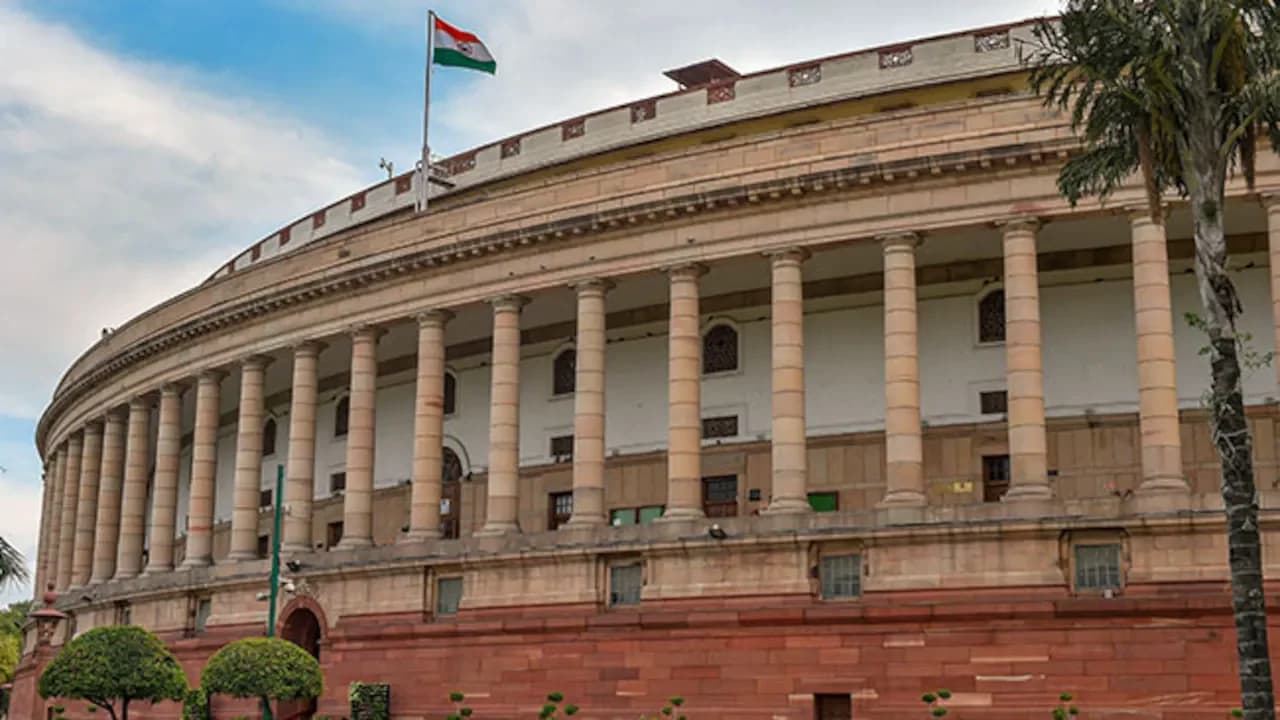
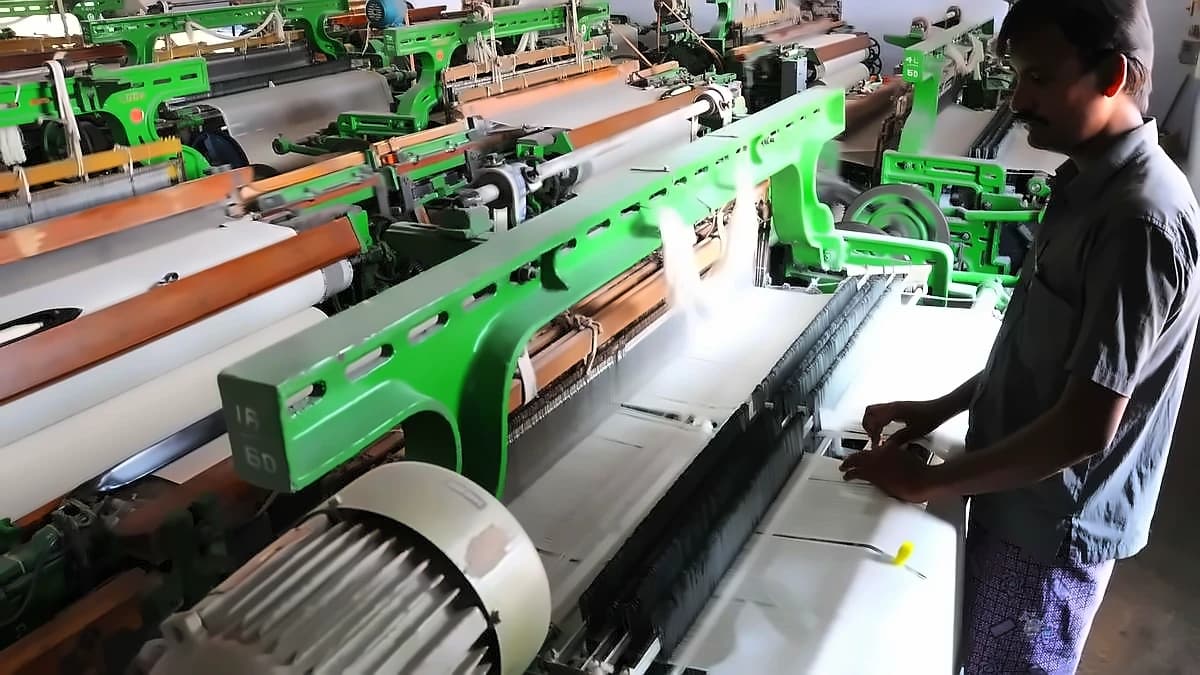
The Micro, Small and Medium Enterprises Development (Amendment) Bill, 2026, was passed by Parliament on August 7, marking a significant update to the MSME legal framework. According to reports from Business Standard, the Bill comes two decades after the Micro, Small and Medium Enterprises Development Act, 2006, was enacted. The government has stated that the MSME landscape has changed significantly with the growth of technology-enabled systems and the increase in the number of registered enterprises. MSMEs registered on the Udyam portal have risen from 16.5 million as of April 1, 2023, to 91.6 million currently, while the sector provides employment to more than 400 million people. As per the Ministry of Micro, Small & Medium Enterprises, the amendment updates the MSMED Act, 2006, after two decades and aims to create a stronger and more business-friendly framework for India's MSMEs.
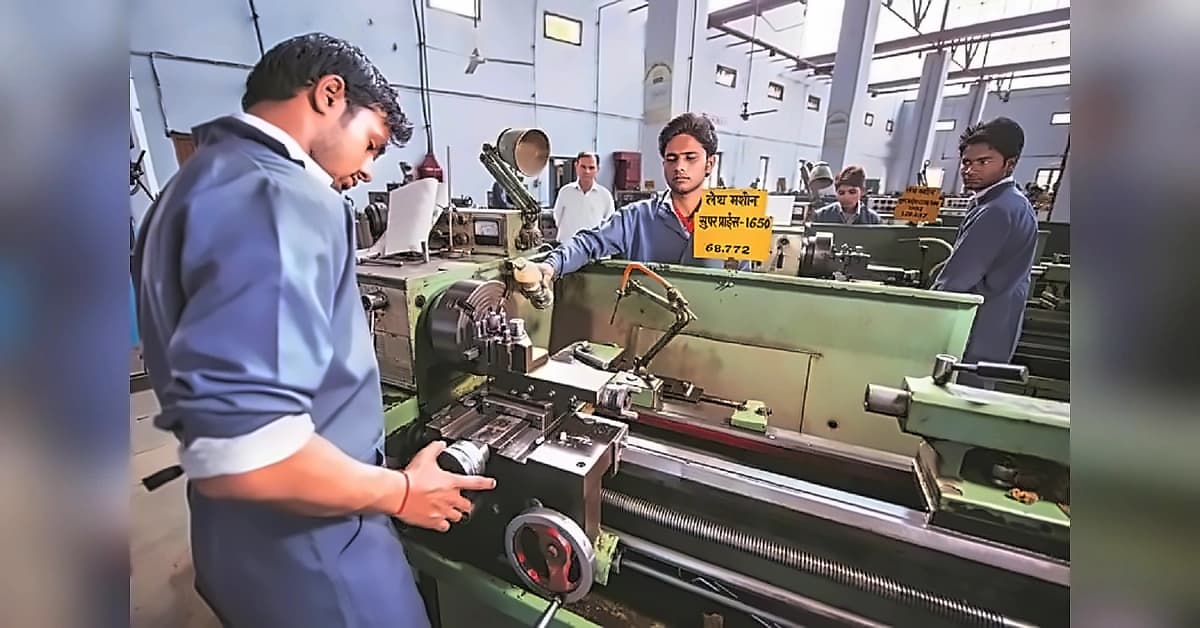
The Bill introduces online dispute resolution to enable micro and small enterprises to settle disputes in a more timely and cost-effective manner. The amended framework introduces time limits intended to prevent payment disputes from continuing indefinitely. Mediation is required to be completed within 90 days from the date fixed for the first appearance, and if mediation fails, the matter must be referred for arbitration within 30 days. The arbitral award is also required to be made within 90 days of the completion of pleadings. The amendments further provide for the recovery of mediated settlements and arbitral awards as arrears of land revenue through the District Collector, Deputy Commissioner or other notified authority. Courts will also be required to order the payment of at least 50 per cent of the awarded amount to micro and small enterprise suppliers where an application challenging a decree, award or order has remained pending for more than six months.
The Bill seeks to address working-capital constraints arising from delayed payments by mandating central public sector enterprises (CPSEs) to route the settlement of invoices from MSMEs through the Trade Receivables Discounting System (TReDS). According to Business Standard, the government reported that the volume of invoice discounting on TReDS rose from ₹40,000 crore in 2022-23 to ₹3.47 trillion in 2025-26. States would also be enabled to encourage their public sector enterprises to use TReDS for invoice settlement. The amendment moves towards a more trust-based regulatory system by replacing certain conviction-based fines with graded civil penalties for specified compliance failures. For specified compliance failures, the framework provides warnings for first instances and progressively higher penalties for subsequent violations rather than treating every lapse through criminal-style provisions.
While industry bodies have welcomed the reforms, they have raised several concerns about implementation and scope. Sampathraman, past president and current director of the Federation of Karnataka Chambers of Commerce & Industry (FKCCI), questioned the need for MSMEs to rely on invoice discounting and suggested the government should instead explore mechanisms for upfront payments. As reported by Business Standard, Charan Singh, CEO of EGROW Foundation, welcomed the amendments but cautioned that several MSMEs could remain beyond the effective reach of the amendments. Singh highlighted concerns about the lack of clarity on GST levying when invoices are discounted and pointed to wider structural challenges including inadequate infrastructure in MSME clusters. The effectiveness of the amendments will ultimately depend on their implementation, including how quickly dispute-resolution mechanisms operate and how efficiently the new payment provisions are enforced.
The Federation of Indian Micro and Small & Medium Enterprises (FISME) welcomed the Bill, describing it as an important step towards faster payments, quicker justice and easier business for MSMEs. According to Business Standard, FISME particularly highlighted the proposed timelines for mediation and arbitration, mandatory TReDS settlement of MSME invoices by CPSEs, online mediation and arbitration, stronger recovery mechanisms and statutory recognition for Udyam registration. However, FISME noted that the Bill did not address every problem facing MSMEs, pointing to the existing 45-day payment framework, access to credit and certain issues related to appeals and enforcement that would require further attention. The amendment also gives State Governments greater flexibility in forming Micro and Small Enterprises Facilitation Councils (MSEFCs), with more councils potentially helping distribute cases and enable quicker handling of delayed-payment disputes. Union Budget FY27 marks an important step in expanding the role of TReDS within the MSME financing ecosystem, with the government extending the Credit Guarantee Fund Trust for Micro and Small Enterprises-backed credit guarantees for invoice discounting and proposing integration of the Government e-Marketplace (GeM) with TReDS.