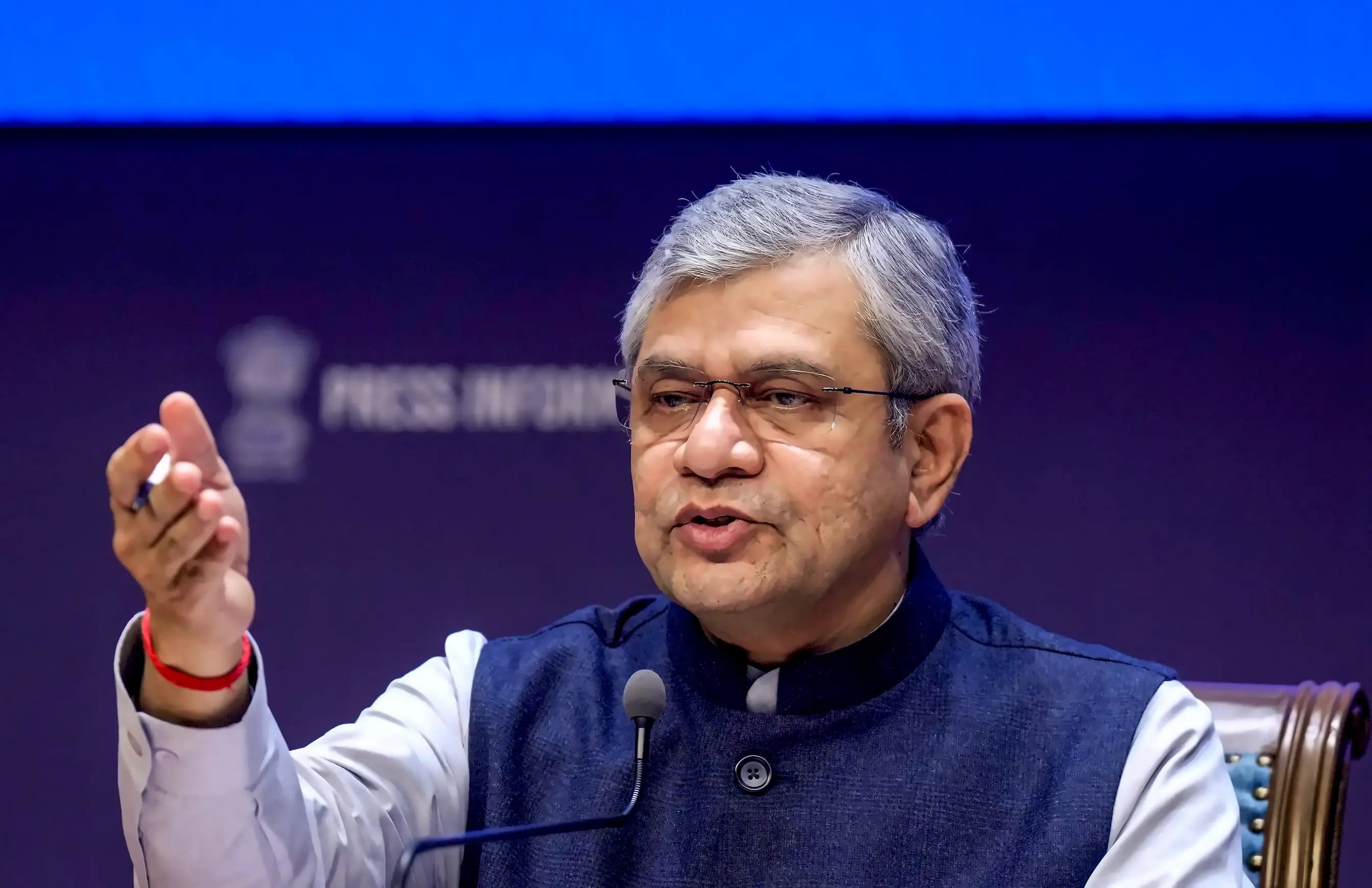
India's Ministry of Electronics and Information Technology (MeitY) has rejected calls for AI research slowdown, stating there is no reason for the country to pause AI research because India is not at the frontier end of the technology. According to Business Standard, the ministry emphasizes that much of India's work is focused on applications and models that can serve domestic requirements, rather than directly competing with the most advanced global models. The government has drawn a clear distinction between calls to slow frontier AI and India's own focus on applications and models designed for its population. IT Minister Ashwini Vaishnaw has confirmed the government is working with industry on an appropriate approach to AI regulation and user safety, while MeitY sources noted that AI-related cybersecurity incidents are already covered by existing reporting obligations.
Under the IndiaAI Mission, the government has identified 20 indigenous sovereign AI model proposals for support, comprising 12 large language models and 8 small language models. As reported by Business Standard, the mission includes projects such as Sarvam's 30-billion and 105-billion parameter models, Gnani.ai's speech-to-speech model, BharatGen's multilingual foundation models and Avataar AI's video-generation model. By July, the government had approved 237 projects, allocated 9.3 million GPU hours and empanelled 15 compute service providers. The mission focuses on datasets, talent, applications and affordable compute, rather than models alone, with projects spanning healthcare, language technologies and agentic AI.
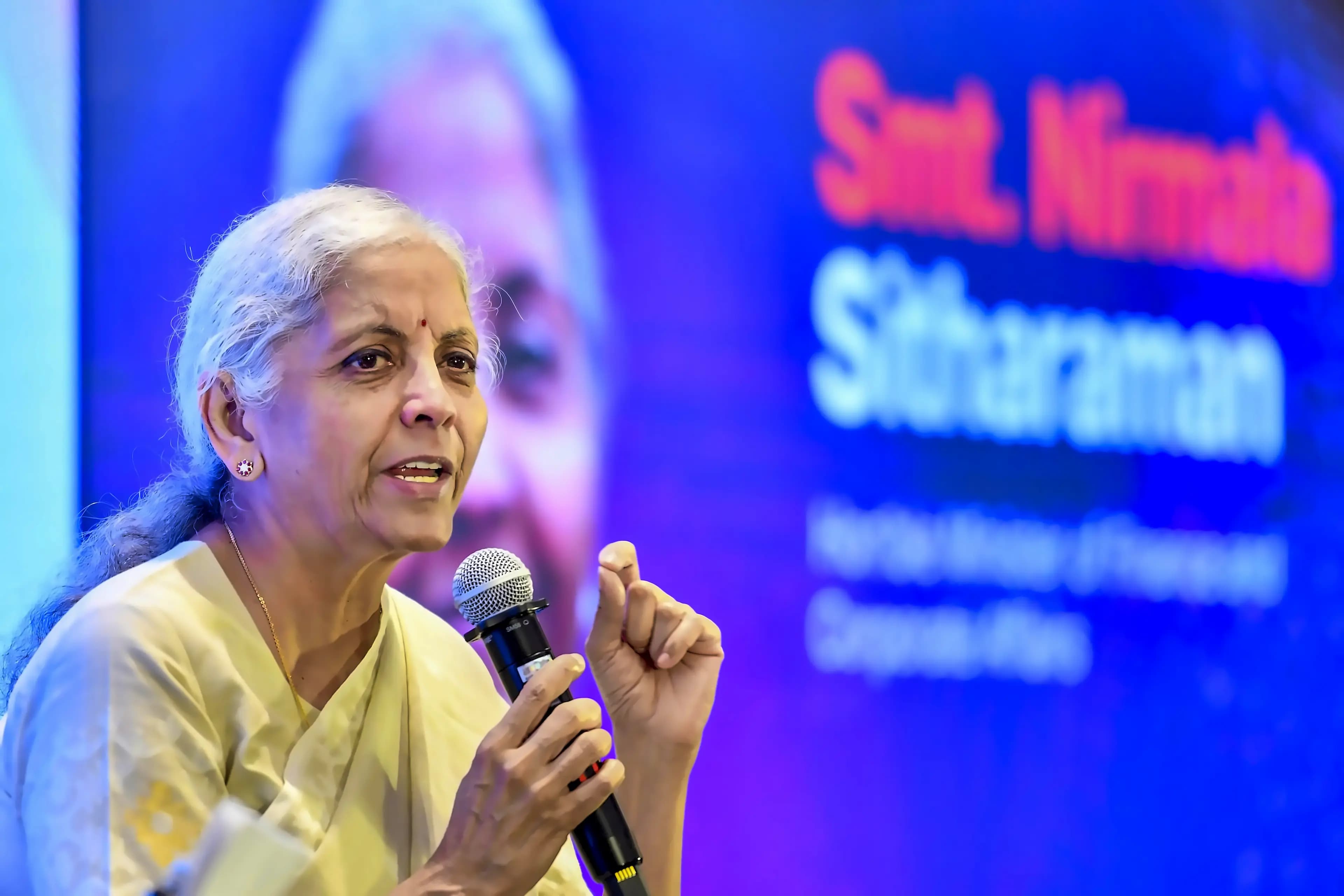
Finance Minister Nirmala Sitharaman emphasized that India's next major investment should focus on artificial intelligence infrastructure, despite calls from frontier-model firms to slow AI development. Speaking at an event organized by IIT Madras in Bengaluru, Sitharaman stated that while Western countries have made considerable progress in AI, India has also made significant strides. According to reports from Business Standard, she highlighted the need for more investment in bringing in hardware and teachers to institutions that must constantly upgrade and impart AI-based knowledge. Sitharaman noted that MSMEs span a spectrum from making pins to aircraft components, and the country needs to provide them with trainers who can help understand how AI can make them better competitors than their peer groups from other countries.
Security experts are advocating for accelerated AI development alongside defensive capabilities. Sarvam co-founder Pratyush Kumar has argued that India should accelerate AI development while building its own defensive capabilities, describing AI as a "weapon system" that could be used by rogue actors. Speaking at the Moneycontrol Startup Conclave, Kumar called for a domestic defence layer and emphasized that cybersecurity should become a priority for governments and companies across the ecosystem. The government is developing an AI safety and governance framework alongside the IndiaAI Mission, including proposed institutional mechanisms such as an AI Safety Institute, while the mission's Safe and Trusted AI pillar covers risk assessment, privacy-preserving technologies, explainability and bias mitigation.
Zoho co-founder Sridhar Vembu has argued that India should not wait for global consensus on slowing AI development, stating that a worldwide pause is unlikely and India should keep its strategic options open rather than get locked into US-China technology rivalry. According to Business Standard, Vembu advocates for investing in foundational research and development across sectors, which can build long-term technological capabilities without requiring frontier scale spending. This approach contrasts with the tens of billions of dollars being spent on frontier models, focusing instead on building AI that is affordable, useful, secure and suited to specific requirements. Activate founder Aakrit Vaish noted that when some AI entities restricted access to models in India, the episode could push Indian startups towards open source models and reduce reliance on foreign providers.