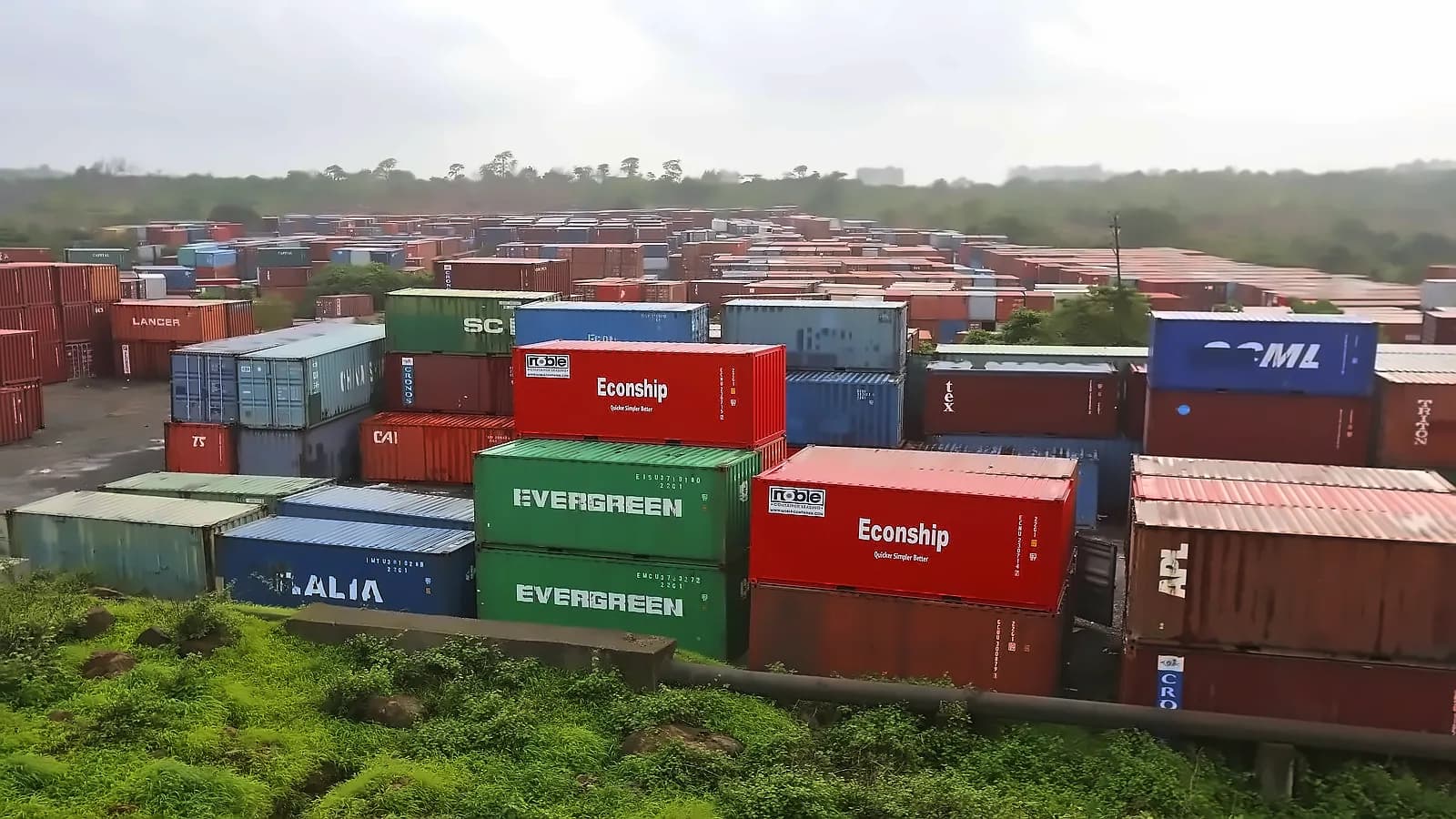
India's merchandise exports demonstrated robust growth in July 2026, rising 19.6% year-on-year to $44.24 billion compared to $36.98 billion in July 2025, according to provisional data released by the Ministry of Commerce and Industry. The increase was led by petroleum products, electronic goods and engineering products, with petroleum product exports surging 67.6% to $6.92 billion, electronic goods exports climbing 57.4% to $5.92 billion, and engineering goods shipments rising 17.7% to $12.24 billion. Non-petroleum, non-gems-and-jewellery exports reached $35 billion in July, up from $30.47 billion in the same month last year, indicating continued expansion across manufacturing and processed goods segments.
On July 23, 2026, the Indian government issued Press Note 3/2026 (PN 3/2026), carving out a significant permission for foreign direct investment in e-commerce entities holding inventory in Indian origin goods for export purposes. The Directorate General of Foreign Trade (DGFT) issued Notification No. 27/2026-27 on August 5, 2026, operationalizing this change by making concomitant amendments to the Foreign Trade Policy, 2023. This marks a historic relaxation for FDI in the e-commerce sector, coming nearly ten years after FDI was first liberalized for the B2C marketplace-based models. The framework permits 100% FDI via automatic entry route for inventory-based e-commerce models, exclusively for undertaking export and exclusively for goods manufactured or produced in India. However, foreign players operating in the marketplace e-commerce segment cannot enter the inventory-based segment for export through their pre-existing legal entity and will need to establish a separate legal entity for the same.
The new framework places significant obligations on e-commerce entities operating under the inventory-based model. EORs (Export-on-Record) must ensure export inventory is identified and segregated as export-designated stock and maintain a digital repository enabling identification, tracking and traceability of all export inventory. The EOR must own and manage all reverse logistics processes for returned or rejected consignments as well as bear the costs for reverse logistics. EORs must pass on to SORs any cash or cash-equivalent export incentives under notified schemes including Duty Drawback, RoDTEP and RoSCTL (Export Rebates and Refunds) in proportion to the Free-on-Board value of goods. The framework requires strict segregation between FDI for cross-border and domestic inventory e-commerce segments, with the latter continuing to be prohibited under the FDI Policy. Title of goods shall not pass from the SOR to the EOR until there is a confirmed export order by the EOR to a buyer located outside India, preventing speculative inventory build-up without confirmed export orders.
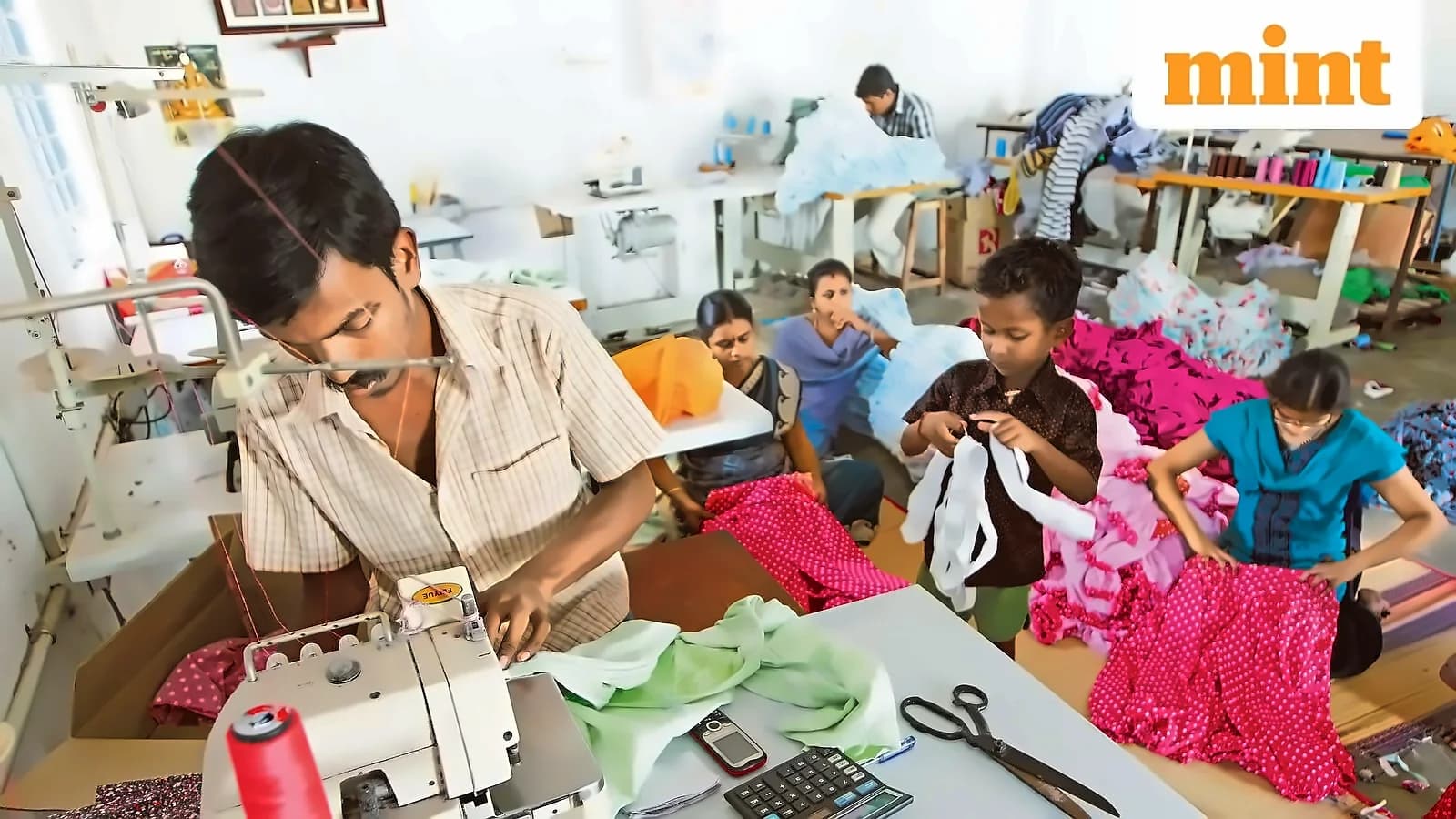
India has opened the inventory-based e-commerce export model to foreign investment as part of efforts to widen its exporter base and make global market access easier for smaller manufacturers. The government created an export-only exception earlier this year, allowing foreign-funded e-commerce entities to own inventory of goods manufactured or produced in India for overseas sale. According to reports from Mint, the detailed framework was announced in August, enabling such companies to operate as registered exporters-on-record. This change comes alongside broader reforms including removal of the ₹10 lakh cap on commercial exports via courier mode, establishment of E-Commerce Export Hubs for logistics and customs support, and rollout of the ₹25,060-crore Export Promotion Mission. India's MSMEs are already major exporters, with products from the sector accounting for 48.58% of India's merchandise exports in FY25, and the number of exporting MSMEs has more than tripled from 52,849 in FY21 to 1,73,350 in FY25.
According to NITI Aayog's February 2026 Trade Watch report, India's e-commerce exports were estimated at $4-5 billion in FY23, with potential to reach $200-300 billion by 2030. Speaking at an industry event, Rajesh Kumar Mishra, Additional Director General at DGFT, revealed that India's e-commerce exports have the potential to grow by an additional USD 10 billion over the next two to three years, supported by the country's large base of micro, small and medium enterprises (MSMEs) and increasing adoption of cross-border digital trade. As reported by Mint, e-commerce has become an important trade channel by lowering transaction and distribution costs and enabling firms, especially smaller sellers, to access domestic and cross-border markets at scale. The new export-focused e-commerce model allows registered exporters-on-record to procure goods from Indian sellers against confirmed overseas orders and handle export documentation, customs, destination-country compliance, testing and certification, packaging, fulfilment, logistics and reverse logistics. If utilized to its full potential, the inventory-based e-commerce framework will greatly transform the manufacturing and export scene in India.