The Confederation of All India Traders (CAIT) has called for an immediate rollback of India's new e-commerce FDI export policy, alleging it favours foreign e-commerce giants Amazon and Flipkart at the cost of Indian exporters and small retailers. According to CAIT's statement, the policy change came at a time when India and the United States were engaged in negotiations on a bilateral trade agreement, raising concerns among trader organisations. Shankar Thakkar, national secretary of CAIT, stated that the policy disproportionately benefits multinational e-commerce companies while undermining the interests of Indian exporters and the country's nearly 90 million small retailers. CAIT emphasised the need for a robust monitoring mechanism with strict regulatory oversight, noting that without effective safeguards, foreign e-commerce companies could use this relaxation to strengthen their market position.
The government has amended the foreign direct investment (FDI) policy to allow FDI in the inventory-based model of e-commerce exclusively for exports of goods manufactured or produced in India, marking a significant policy shift to boost India's outbound shipments. According to the Department for Promotion of Industry and Internal Trade (DPIIT), this move will help increase India's exports without impacting the businesses of small retailers. The decision, announced on July 23, aims to provide Indian manufacturers and sellers greater access to overseas markets without affecting the interests of small retailers in the domestic market. As per the latest press note, this represents a review of the extant FDI Policy to facilitate greater exports through easier and increased access of global markets by Indian sellers.
Industry experts have raised concerns about the policy's implementation, with Anshul Jain from PwC India noting that e-commerce companies might explore various structures to implement these changes. Some players pointed out that lack of clarity creates nuances for misuse, but mechanisms are likely to evolve to address them. Praveen Khandelwal from CAIT emphasised the need for effective oversight, stating that considering the past record of large technology companies, strict regulatory oversight is essential. Legal experts noted that the relaxation does not alter existing marketplace model rules for domestic retail, with Amazon and Flipkart required to continue operating as neutral intermediaries for business-to-consumer sales within India.
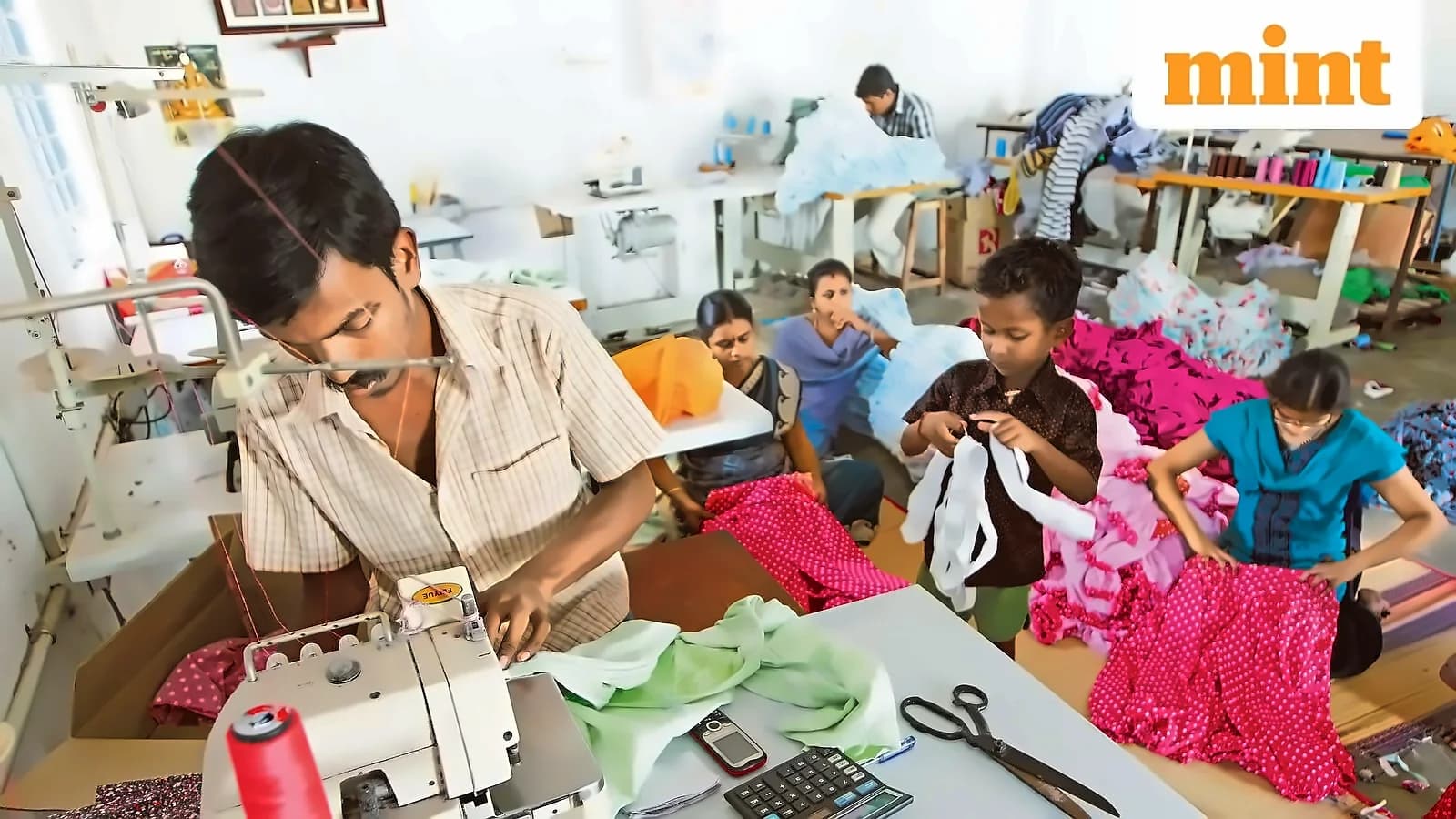
The decision comes as India's e-commerce exports currently stand at approximately $4-5 billion annually, significantly lower than China's $300 billion. According to DPIIT, the global e-commerce trade is valued at $800 billion and is estimated to reach $2 trillion by 2030. As per a GTRI report, India's e-commerce exports have the potential to reach $350 billion by 2030, with the industry primarily dominated by small businesses that export products valued between $25 and $1,000, including handicrafts, art, books, ready-made garments, gems and jewellery. Salman Waris from TechLegis Advocates said the policy is expected to boost exports by enabling faster order fulfilment, centralised warehousing, and easier returns management for global buyers, while benefiting micro, small and medium enterprises significantly by leveraging large platforms' infrastructure.
The government is working on additional measures to boost exports through e-commerce, including setting up e-commerce export hubs. Bhoomika Aggarwal from The Dialogue welcomed the move as it resolves long-standing regulatory ambiguity, allowing foreign-funded platforms to purchase from Indian manufacturers, hold export inventories, and manage cross-border fulfilment. Salman Waris noted that the change aids sectors such as handicrafts, apparel, jewelry, and art, helping them overcome entry barriers and compete more effectively against global giants like China. The newly added clause specifically states that an e-commerce entity is permitted to engage in inventory-based model of e-commerce exclusively for the export of goods/products manufactured and/or produced in India as per the applicable provisions of the Foreign Trade Policy 2023 and Foreign Exchange Management (Export of Goods & Services) Regulations, 2015. The decision will come into effect from the date of notification under the Foreign Exchange Management Act (FEMA).