India's toy industry has demonstrated remarkable growth with exports surging 89% from USD 203.5 million in FY19 to USD 384.7 million in FY26, according to the latest data from the Ministry of Commerce and Industry. Simultaneously, toy imports have declined significantly by 37.5% during the same period, falling from USD 371.7 million in 2018-19 to USD 232.3 million in 2025-26. This export-import dynamic reflects India's strengthening position in the global toy manufacturing landscape, with countries including the United States, United Kingdom, Netherlands and Germany emerging as key export destinations. The Centre has constituted a dedicated task force to strengthen India's toy manufacturing ecosystem and raise the country's share in the global toy market from 1.9% to 5% by 2032.
The Centre has unveiled a dedicated task force to drive the growth of India's toy industry, setting an ambitious goal of securing a 5% share of the global toy market by 2032. Commerce and Industry Minister Piyush Goyal announced the initiative during a meeting of toy stakeholders on Monday, as reported by PTI. The task force will focus on achieving six key objectives: integration with global value chains, strengthening manufacturing capabilities, resolving value chain bottlenecks, creating skilled workforce and employment, enabling design and innovation, and enhancing ease of doing business. According to the official statement, the initiative aims to identify interventions towards achieving the goal of reaching a 5% share in the global toy market by 2032, building on India's current 1.9% share of global trade in the toy sector.
To support the sector, the government has also launched a comprehensive Toy Sector Playbook, designed as a practical guide for manufacturers and exporters. As reported by Essential Business Intelligence, the playbook provides detailed information on manufacturing best practices, export opportunities, intellectual property protection, quality standards and regulatory compliance, helping businesses navigate domestic as well as international markets. The initiative will be steered under the government's SCALE (Steering Committee on Advancing Local Value-add and Exports) framework, which aims to facilitate industry consultations and develop a coordinated roadmap for boosting exports and strengthening local value addition across key sectors. According to Upstox News Desk, the playbook provides guidance on manufacturing ecosystems, value chains, quality standards, skill development, product innovation, intellectual property and export opportunities.
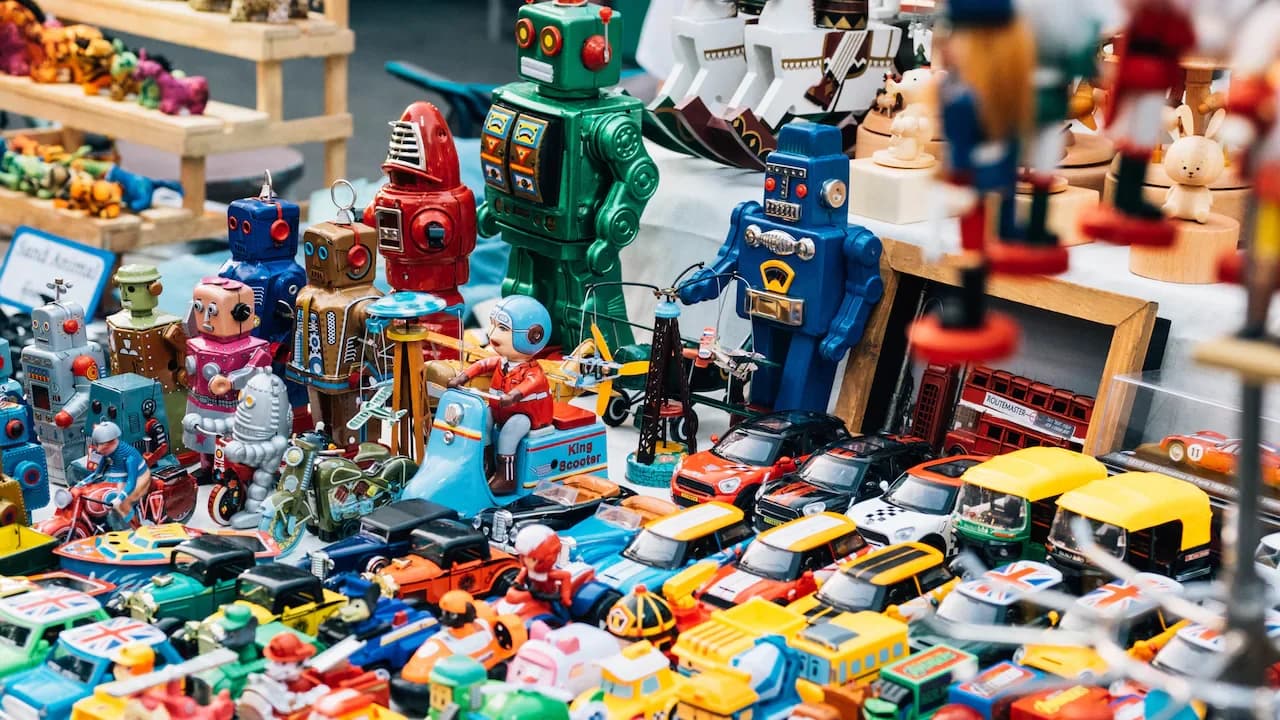
India's toy industry comprises a robust ecosystem with more than 21,000 MSMEs, over 770 DPIIT-recognised toy startups, nearly 50 toy clusters, and more than 1,800 BIS licencees, as reported by PTI. Minister Goyal called upon industry stakeholders to work towards building a complete domestic manufacturing ecosystem supported by advanced technologies, globally competitive quality standards, deep localisation, and stronger branding. The government believes the latest measures will help create a globally competitive ecosystem, generate employment and position India as a major manufacturing hub for toys. With the new task force and sector-specific playbook, the Centre is seeking to provide a long-term policy push that enables Indian toy makers to expand their global footprint while strengthening the country's manufacturing and export capabilities.
SCALE Chairman Pawan Goenka emphasized that the diversification of global supply chains presents a major opportunity for India to emerge as a trusted toy manufacturing and export hub. As reported by Upstox News Desk, he highlighted that the country's growing domestic market, coupled with stronger design capabilities and export competitiveness, can help achieve the target of securing a 5% share in the global toy market by 2032. Minister Goyal urged industry participants to focus on innovation, sustainability, scale and exports to build globally recognised Indian toy brands. The minister noted that government initiatives such as mandatory BIS quality certification, cluster development programmes and support for MSMEs and startups have helped strengthen the sector, positioning India for significant growth in the global toy market.