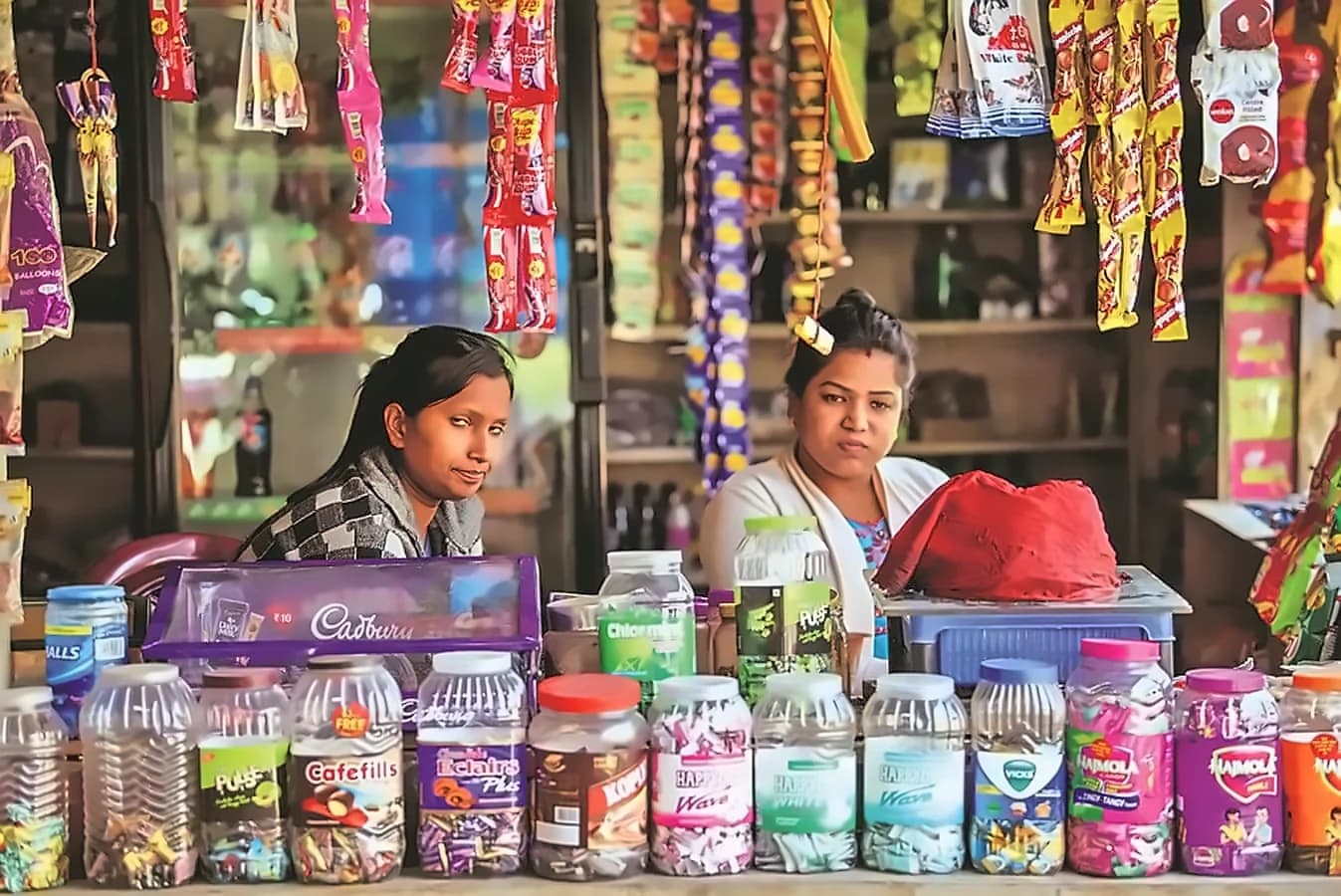
India's urban planning has systematically ignored low-income economic activities, creating a significant space crisis for micro-businesses. According to reports from Business Standard, the country has created no designated spaces for essential activities like chaiwallah, paanwalla, juicewallah, rediwalla, mechanics, sabjiwalas, and weekend markets across urban India. This exclusion extends beyond shops to include garbage collection, construction contracting, and micro-scale garment making, with sabzi mandis providing inadequate space allocation across Indian cities.

The informal sector's economic significance is substantial, with upwards of 80% of India's nearly 190 million urban employed population working in the informal sector. As reported by Business Standard, this segment includes the bulk of micro-businesses that are critical for urban India's economic productivity and social inclusiveness. The lack of legal space allocation perpetuates this large urban informal sector, making such entities effectively illegal and labeled as informal or unorganised, leading to their marginalization from policy focus.
The absence of legal space creates multiple undesirable outcomes for micro-businesses. According to the analysis, such units become vulnerable to local strongmen and government functionaries, with the hafta system being a universal phenomenon in urban India, not cultural as commonly believed. The lack of tenure certainty reduces investment incentives, while the inability to formalize operations eliminates opportunities for business growth. Researchers, philanthropy, and corporate social responsibility initiatives rarely focus on this sector, with startups largely ignoring servicing units in this domain.
Despite common arguments against informal sector promotion, micro-businesses demonstrate significant responsiveness to positive support measures. As reported by Business Standard, these units have embraced digital solutions like UPI and digital payments, which require minimal training, ease payments, manage liquidity better, and reduce theft and cash extortion risks. With close to universal literacy and large numbers of educated individuals, enhanced access to information through digital infrastructure, and a dynamic startup ecosystem, the potential for micro-businesses to improve productivity has increased substantially.
The solution requires creating space for micro-businesses near demand centres, including major markets, residential areas, and transport hubs. According to the analysis, this will require city administrations to allocate space strategically, with potential benefits including improved municipal revenues through low-cost rental and reduction in the hafta economy. The central government can play an enabling role by supporting state and city governments through conditional funding, leveraging its control over more than 90 city administrations and recent announcements of new city creation.