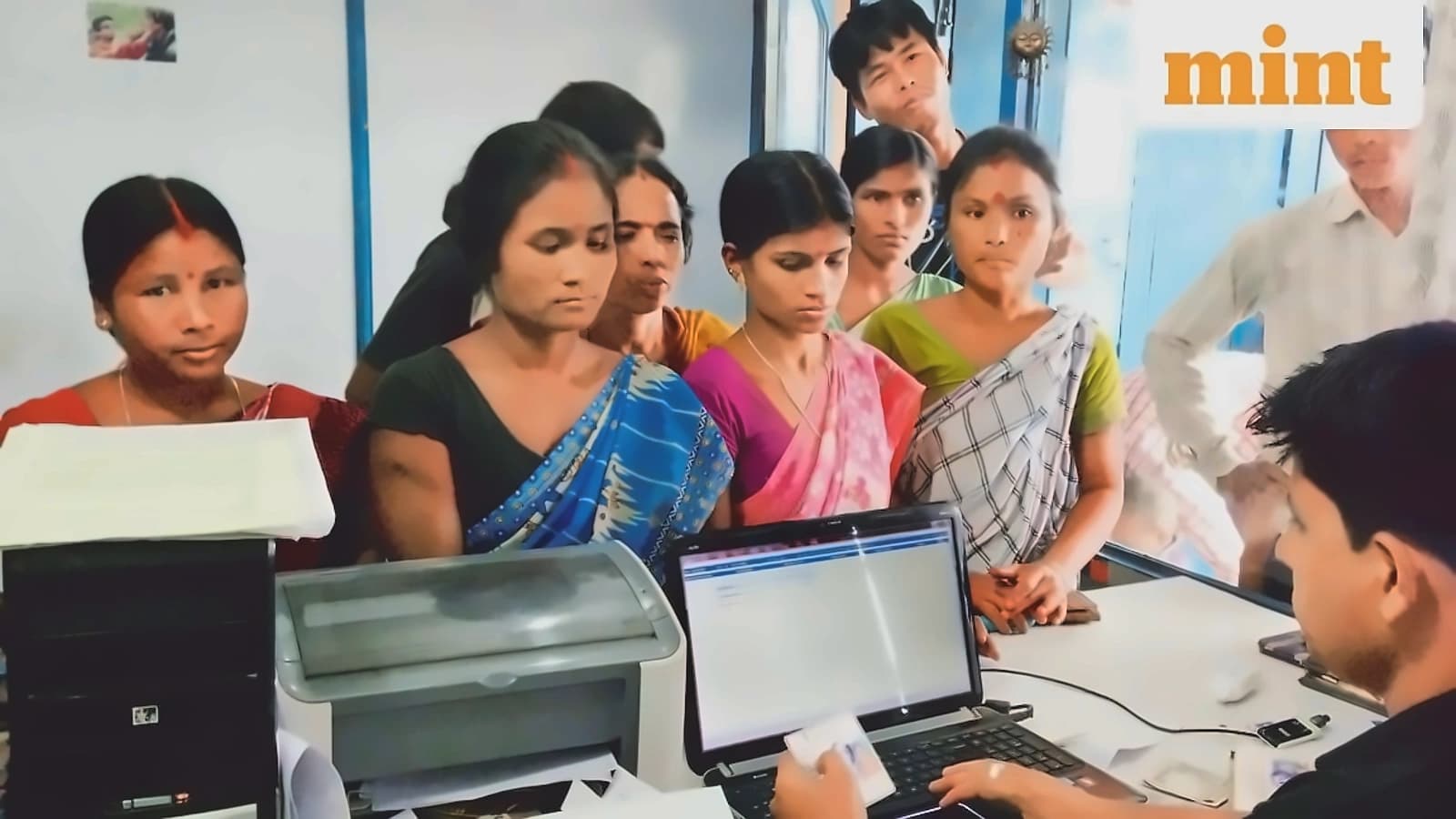
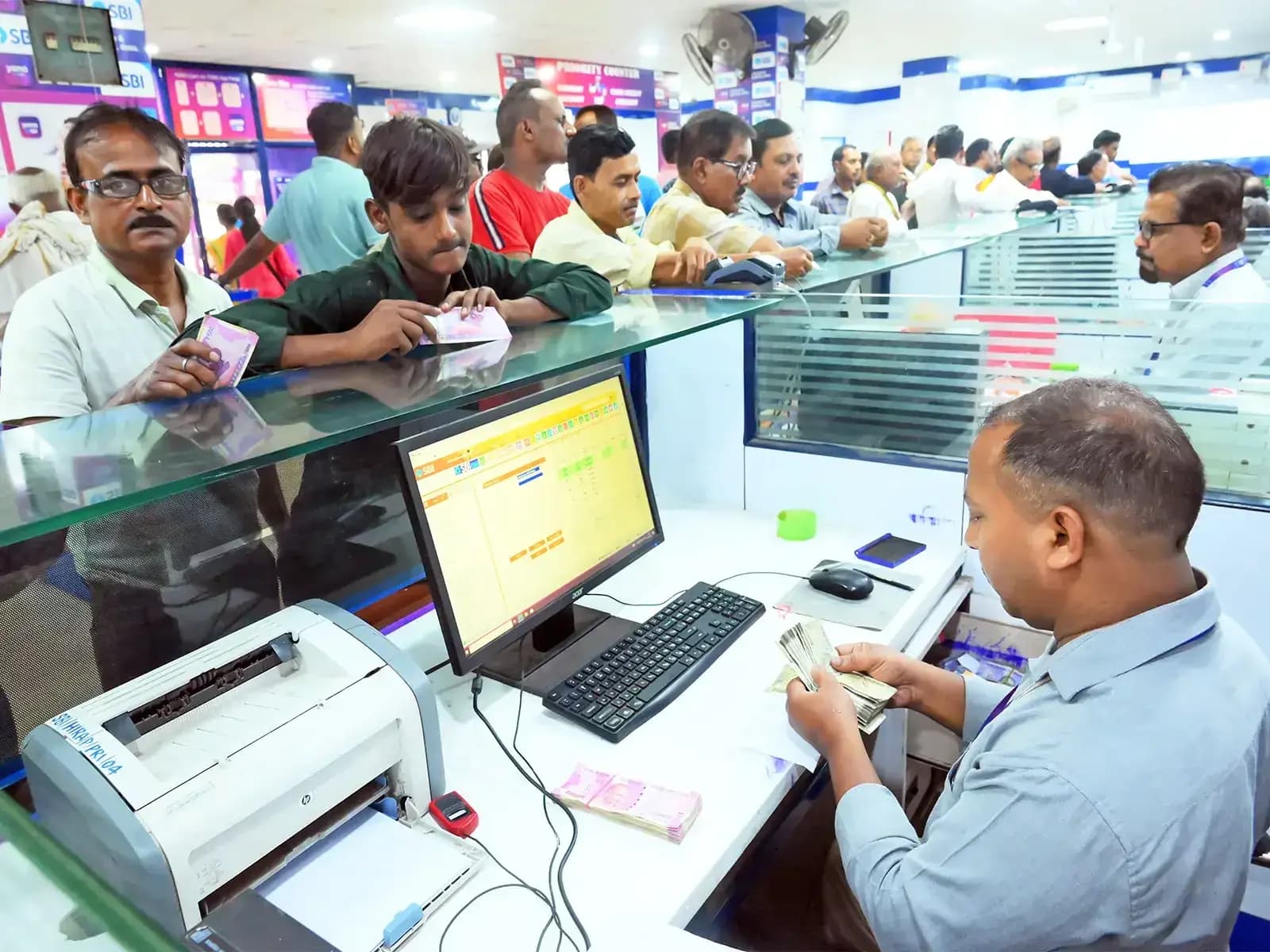
The government has instructed the Small Industries Development Bank of India (SIDBI) to scale up lending to MSMEs in rural and semi-urban areas nationwide through the network of Regional Rural Banks (RRBs), according to an official statement released on Wednesday. Sanjay Lohiya, Secretary, Department of Financial Services (DFS), emphasised the need to synergise the strengths of SIDBI, which understands the credit needs of MSMEs and RRBs, which have an excellent reach across the smaller towns and villages of the country. As reported by The Hindu BusinessLine, the proposed expansion was discussed at a conclave of the heads of all 28 RRBs organised by SIDBI in New Delhi and chaired by Department of Financial Services Secretary Sanjay Lohiya. This directive aims to leverage the complementary strengths of both institutions to better serve MSME borrowers in underserved areas.
RRBs will also be able to achieve their goal of diversifying their loan portfolios by focusing on MSME lending, while rule engine-based underwriting is expected to help them maintain good asset quality, according to the official statement. The government highlighted the importance of MSME cluster data for a focused approach to reaching out to a large number of micro and small units. RRBs were told to contribute towards making the country a next-generation manufacturing hub and also take an active part in Rozgar Melas, conducted by state governments to disseminate financial awareness among MSMEs. The Department of Financial Services urged RRBs to make MSME lending under the co-lending arrangement an important target for their branches, with SIDBI CMD Manoj Mittal urging RRBs to participate actively in the arrangement and help make the expanded programme successful.
The government suggested that RRBs make MSME lending through this Co-Lending arrangement an important target for branches, with the CMD, SIDBI urging RRBs to come forward and make the arrangement a success. The Co-Lending Origination Platform, developed by SIDBI, is an end-to-end digital platform providing a faster and paperless credit journey, resulting in quick sanction and disbursement of loans. Loan applicants will be informed of their in-principle sanctions within a very short turnaround time once all details are provided through the application portal, as reported by The Hindu BusinessLine. The platform allows loan applicants to receive in-principle sanctions within a short turnaround time after submitting the required details, with digital documentation and disbursement allowing funds to be transferred directly to borrowers' bank accounts without requiring branch visits.
The digital documentation and disbursement process ensures that customers receive loan disbursements directly into their accounts without the need to visit branches at any stage of the process. With encouraging outcomes from the pilot implementation at three RRBs, the proposed expansion of this Co-Lending programme to more RRBs is expected to significantly address the credit needs of borrowers, especially in the micro and small segments, in rural and semi-urban areas, according to the official statement. The pilot programme has already been implemented at three RRBs, with the government saying the results have been encouraging. The expanded co-lending model is expected to provide a wider channel for businesses to access formal credit, with RRBs urged to use their rural reach more effectively to support MSME growth.
RRBs have demonstrated exceptional financial performance with net profit reaching an all-time high of ₹10,176 crore in 2025-26, representing a 49% jump from ₹6,820 crore in FY25. Both gross non-performing assets (GNPA) and net non-performing assets have reached all-time lows of 5.3% and 2.1% respectively. The credit-deposit ratio has reached an all-time high of 75.2% in 2025-26, reflecting improved asset quality and lending efficiency. RRBs are currently operating through 22,273 branches across 26 states and 3 Union Territories, covering about 700 districts, with total business crossing ₹13.5 lakh crore, surpassing several individual public sector banks. Addressing the RRB chairpersons, Secretary Lohiya called upon sponsor banks to handhold rural lenders in their growth journey, particularly by strengthening their information technology infrastructure and accelerating adoption of modern banking technology. He urged RRBs to take personal initiative to boost credit flow to sectors specific to their jurisdiction and introduce innovative lending avenues.