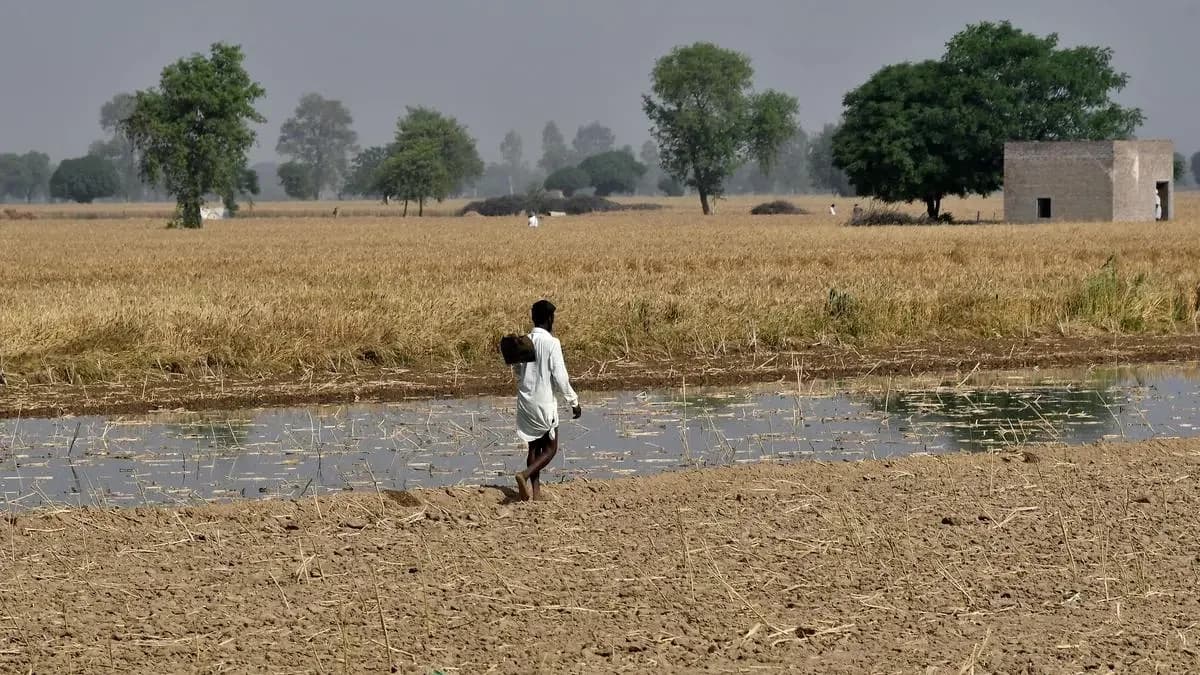
The government is working with banks to enhance rural credit through flagship schemes, with regional rural banks (RRBs) targeting expansion of their customer base from about 10% of total depositors at present. According to reports from The Economic Times, RRBs will aim to diversify towards investment credit in agri hotspot areas and further promote digital lending platforms like e-KCC (electronic Kisan Credit Card). The total business of all 28 RRBs has crossed ₹12 lakh crore and they collectively serve 324 million deposit accounts and 32 million loan accounts. As per latest data, banks will look to strengthen their business correspondent networks for last-mile credit delivery, with RRBs in particular focusing on diversification towards investment credit in agri hotspot areas.
A key component of the rural credit enhancement strategy involves full integration of the Grameen Credit Score with the JanSamarth portal for faster loan processing. As reported by The Economic Times, banks have been asked to scale up lending based on the Grameen Credit Score (GCS) and its complete integration with the JanSamarth Portal. Under Phase I, GCS has been developed using existing data attributes such as rural and agriculture-related borrowings available with credit information companies, with adding more parameters expected to improve access to formal credit for the rural population, including small farmers. The integration aims to streamline loan processing and enhance financial inclusion for rural borrowers.
According to a survey by the National Bank for Agriculture and Rural Development (Nabard) in May, about 21.9% of rural households borrow only from non-institutional sources. The Rural Economic Conditions and Sentiments Survey found that the proportion of households reporting an increase in income during the last year plunged to 29.6%, the lowest level since September 2024. However, about 70.7% of rural households expect their income situation to improve during the next year, indicating resilience in the rural economy despite short-term challenges from the war in West Asia. As per the survey, the adverse impact of the war is expected to dampen income and employment prospects only in the short run, with consumption demand in the rural economy remaining resilient.
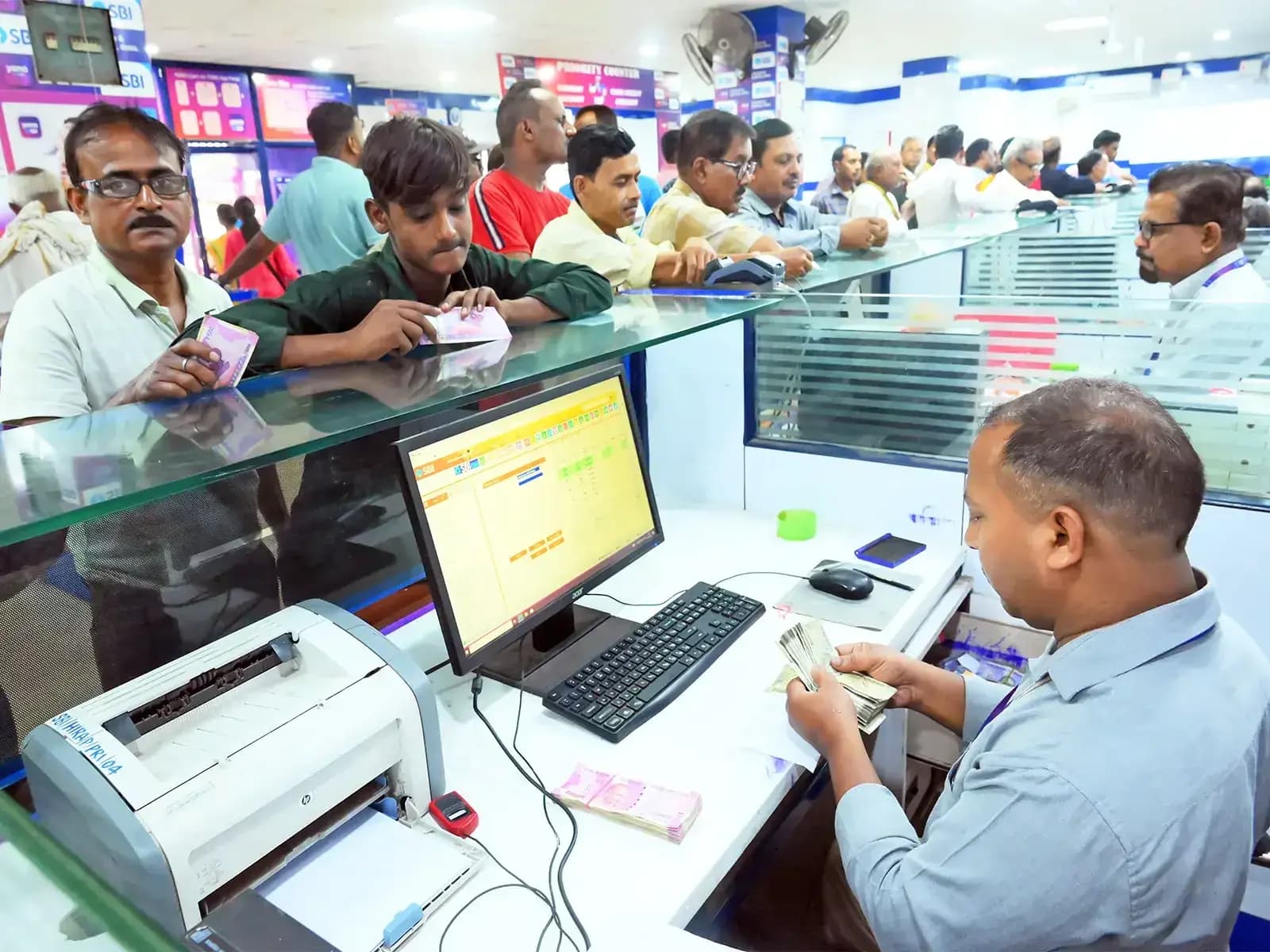
The government strategy focuses on aligning state schemes with banks to further enhance rural credit accessibility, with banks being asked to scale up lending based on the Grameen Credit Score. The approach aims to address the gap where about 21.9% of rural households currently rely on non-institutional sources for borrowing, while the government seeks to align state schemes with banks to further enhance rural credit accessibility. The comprehensive approach includes strengthening business correspondent networks and promoting digital platforms like e-KCC to ensure last-mile credit delivery reaches rural areas effectively.