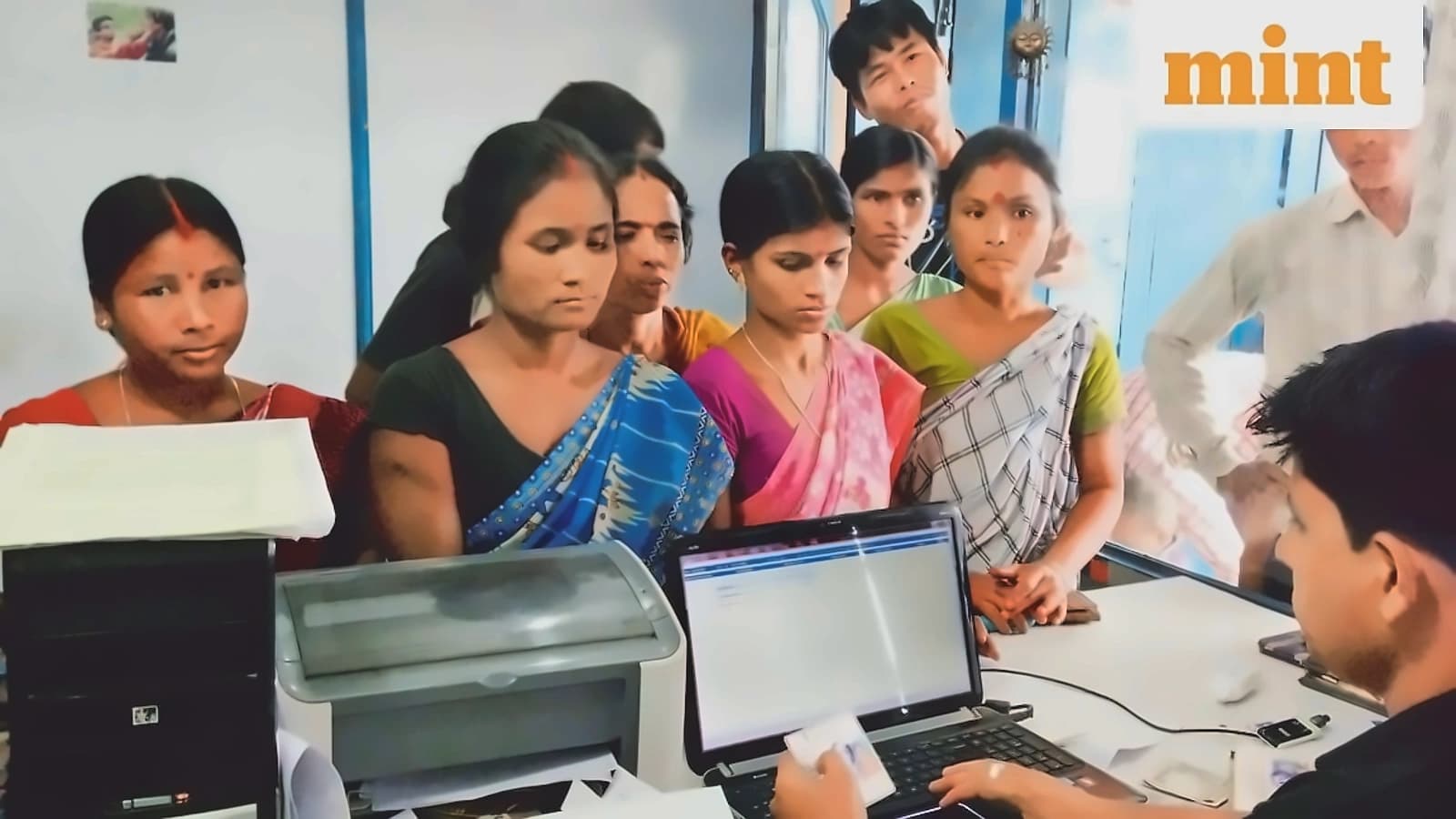
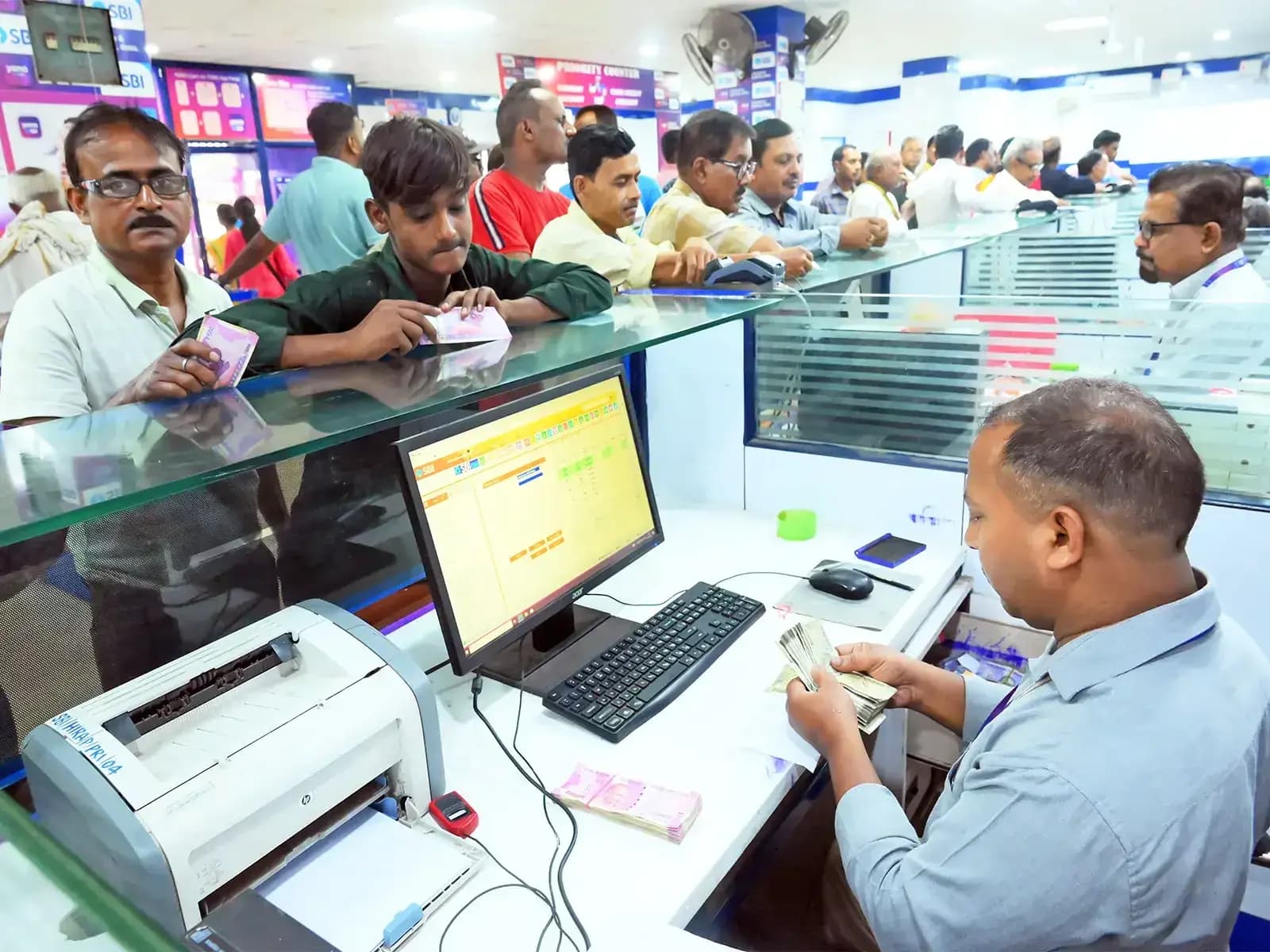
The Union finance ministry has directed public sector banks to accelerate their rural expansion, targeting villages with populations exceeding 3,000. According to reports from Mint, this initiative aims to strengthen state-owned lenders' rural presence and protect their customer base as private banks, small finance banks, and digital financial service providers expand beyond urban markets. The focus centers on ensuring larger rural habitations remain adequately served by bank branches, which continue to play critical roles in deposit mobilization, lending, and government welfare programme implementation. As noted by a senior banking official, "Rural customers continue to depend on branches for opening accounts, availing agricultural and retail loans, completing know-your-customer requirements, accessing government schemes and resolving service-related issues."
As reported by Mint, banks were asked to open 576 branches in villages with populations above 3,000 in FY26. Of these targeted branches, 511 have already been opened, while 65 remain yet to become operational. This represents a significant expansion effort to improve rural banking accessibility across India's diverse village landscape. According to the finance ministry, the government's push comes as private banks, small finance banks, and digital financial service providers steadily expand beyond urban markets, making it crucial for PSBs to maintain their rural footprint.
According to Mint, India had approximately 640,000 villages according to the 2011 census, of which nearly 597,000 were inhabited. Larger villages with populations above 3,000 serve as important economic centres for surrounding rural areas and generate sufficient banking activity to support branch operations. Despite rapid growth in digital banking and Unified Payments Interface-based transactions, physical branches remain essential for deepening financial inclusion, as noted by senior banking officials. As per the RBI classification, rural centres are those with a population of less than 10,000, semi-urban centres have a population of 10,000 or more but less than 100,000, urban centres are locations with a population of 100,000 or more but below 1 million, while metropolitan centres are those with a population of 1 million or more.
As reported by Mint, as of March 31, 2025, public sector banks operated 29,648 branches in rural areas, significantly higher than the 9,342 rural branches operated by private-sector banks. In total, scheduled commercial banks had 164,000 domestic branches, up 2.8% year-on-year according to RBI data. Rural customers continue to depend on branches for account opening, agricultural and retail loans, KYC requirements, government scheme access, and service resolution. For banks, rural India remains a key source of low-cost deposits and an important market for priority-sector lending. Charan Singh, chief executive of the Noida-based think tank EGROW Foundation, emphasized that "the time to reap the benefits of this long-term investment is now: with increasing prosperity in the rural areas given higher MSP (minimum selling price); direct transfer of resources to farmers and women; and a general set of initiatives focused on improving the rural sector like PM Gramin Awas Yojana, programmes on fisheries, dairy and milk, makhana, beekeeping and honey, and animal husbandry."