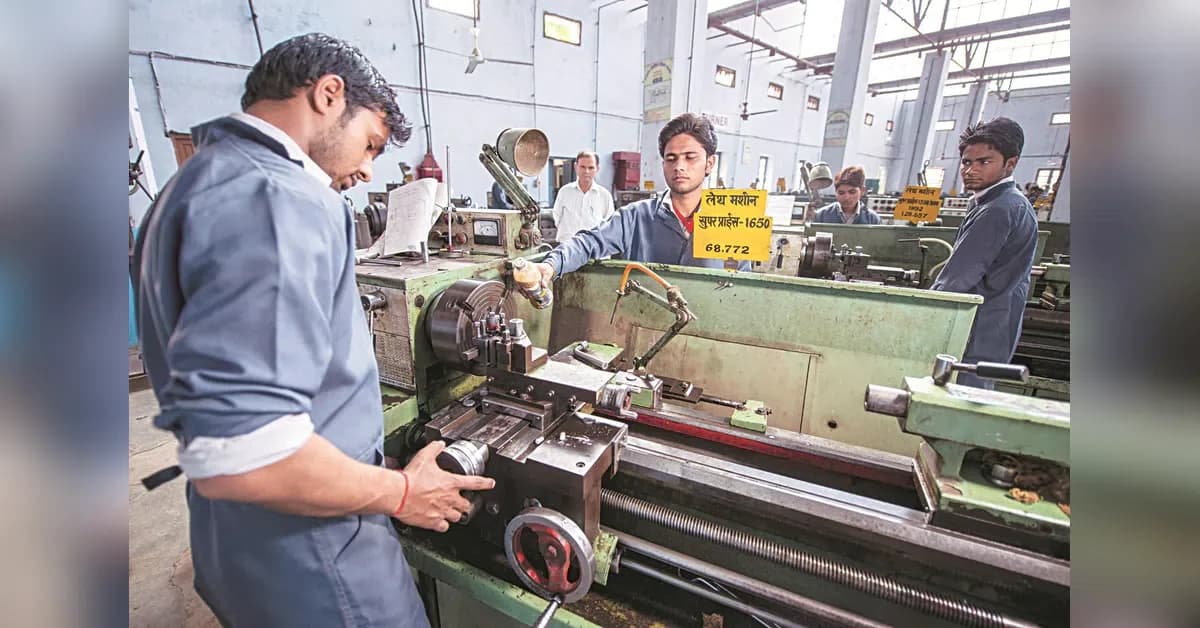
A report by the Policy Consensus Centre has recommended a phased, time-bound reduction of basic customs duty on primary aluminium to zero. According to the study, this reduction should be supported by targeted energy cost compensation measures for primary producers to ensure a balanced transition. The centre's research indicates that India's downstream aluminium MSMEs are facing mounting cost pressures due to the existing duty structure on primary aluminum, which is undermining their domestic value addition and eroding their manufacturing competitiveness.
Nirupama Soundararajan, Co-Founder of Policy Consensus Centre, explained that India's aluminium manufacturing practices import parity pricing, leading to high raw material prices for secondary manufacturers. As reported by the centre, raw materials make up nearly 80 per cent of production price for MSMEs, making the high duties and import parity pricing significantly affect MSMEs' very existence. The study reveals that one of the most significant challenges for MSMEs is the 7.5 per cent basic customs duty (BCD), along with applicable social welfare surcharge, on primary aluminium. Domestic primary producers price aluminium on an import parity basis by incorporating customs duties into domestic prices, resulting in downstream manufacturers paying import-equivalent prices even when sourcing metal produced within India. This pricing mechanism substantially raises raw material costs, compresses already-thin operating margins, and weakens the competitiveness of India's value-added manufacturing sector.
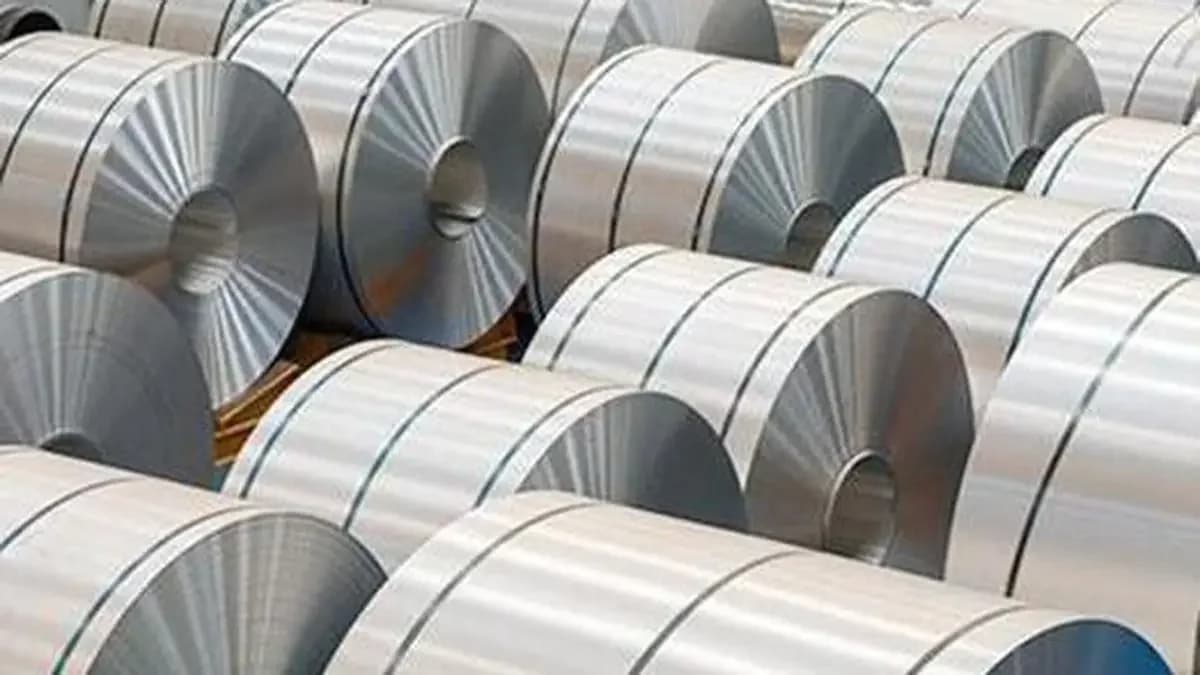
According to the report, India is the world's second-largest producer of primary aluminium with an installed capacity of over 4.16 million tonnes annually, yet nearly 3,500 downstream and secondary aluminium manufacturers continue to operate under significant structural disadvantages. These enterprises account for nearly 90 per cent of employment across the aluminium value chain and supply critical inputs to sectors including power transmission, renewable energy, railways, electric vehicles, construction and engineering. Soundararajan noted that India has over 10,000 downstream MSMEs and several of these employ 90 per cent of the aluminium industry's workforce.
The report highlighted that customs duty, along with social welfare surcharge, on primary aluminium creates significant challenges for MSMEs. An inverted duty structure places a higher tariff burden on primary aluminium than on several finished aluminium products, while free trade agreements with ASEAN, Japan and South Korea allow many finished aluminium products to enter India at concessional or zero duty rates. This creates intense competitive pressure on domestic MSMEs, as the pricing mechanism raises raw material costs substantially and compresses already thin operating margins. The report emphasizes that the current duty structure undermines India's value-added manufacturing sector competitiveness.
The study emphasized that rationalising duties on primary aluminium will improve the competitiveness of downstream MSMEs, stimulate domestic manufacturing, encourage higher value addition and support India's broader objectives of employment generation, industrial growth and the Make in India initiative. Soundararajan stressed the need to ensure that value-added exports remain competitive at the global stage and that MSMEs remain viable for India's manufacturing and export story to continue an upward trend. The report also recommended correcting tariff inversions through stronger rules of origin, tariff-rate quotas, enhanced verification under free trade agreements, and targeted trade remedies against unfairly priced imports. The report was published on July 31, 2026 by the Policy Consensus Centre, which conducts research for policy transformation.