Real estate investment trusts (REITs) and infrastructure investment trusts (InvITs) continue to attract investors despite broader market challenges. According to reports from Mint, these yield-generating investment vehicles have maintained momentum even as large equity listings face roadblocks. Over the past two to three months, at least three REIT and InvIT IPOs have moved ahead, including Bagmane REIT, Citius Transnet Investment Trust, and Raajmarg Infra Investment Trust, while only one sizable IPO, OnEMI Technology Solutions, hit the market. This represents a significant shift from the full 2025 year, which saw approximately four IPOs by REITs and InvITs versus over 365 new large equity issues.
Several significant REIT and InvIT listings are advancing through the pipeline. As reported by Mint, Cube Highways Trust is targeting a mid-year listing for its ₹5,000 crore IPO, while Blackstone-backed Horizon Industrial Parks Ltd received observations from the markets regulator for its proposed fresh issue of shares worth ₹2,600 crore. Additionally, Altius Telecom Infrastructure Trust is preparing to join the queue with a ₹6,000 crore issue, according to a recent Bloomberg report. Last month, Brookfield India Real Estate Trust raised approximately ₹2,600 crore through an institutional placement alongside securing a ₹1,125 crore investment from 360 ONE Asset in a key office asset in Bengaluru.
The return profile of REITs and InvITs has demonstrated resilience against equity market volatility. According to Mint reports, large InvITs have delivered returns ranging between 13-22% over the past year, while listed REITs returned around 10-18%, compared to the Sensex decline of around 9% during the same period. Investors in InvITs typically target internal rates of return of 12-14% with annual cash yields of 8-9%, while REIT investors generally expect yields of 6-7%. As reported by Mint, investors look at REITs and InvITs very differently from traditional equity IPOs, with these instruments evaluated more like debt or hybrid products rather than expecting pure equity-style returns.
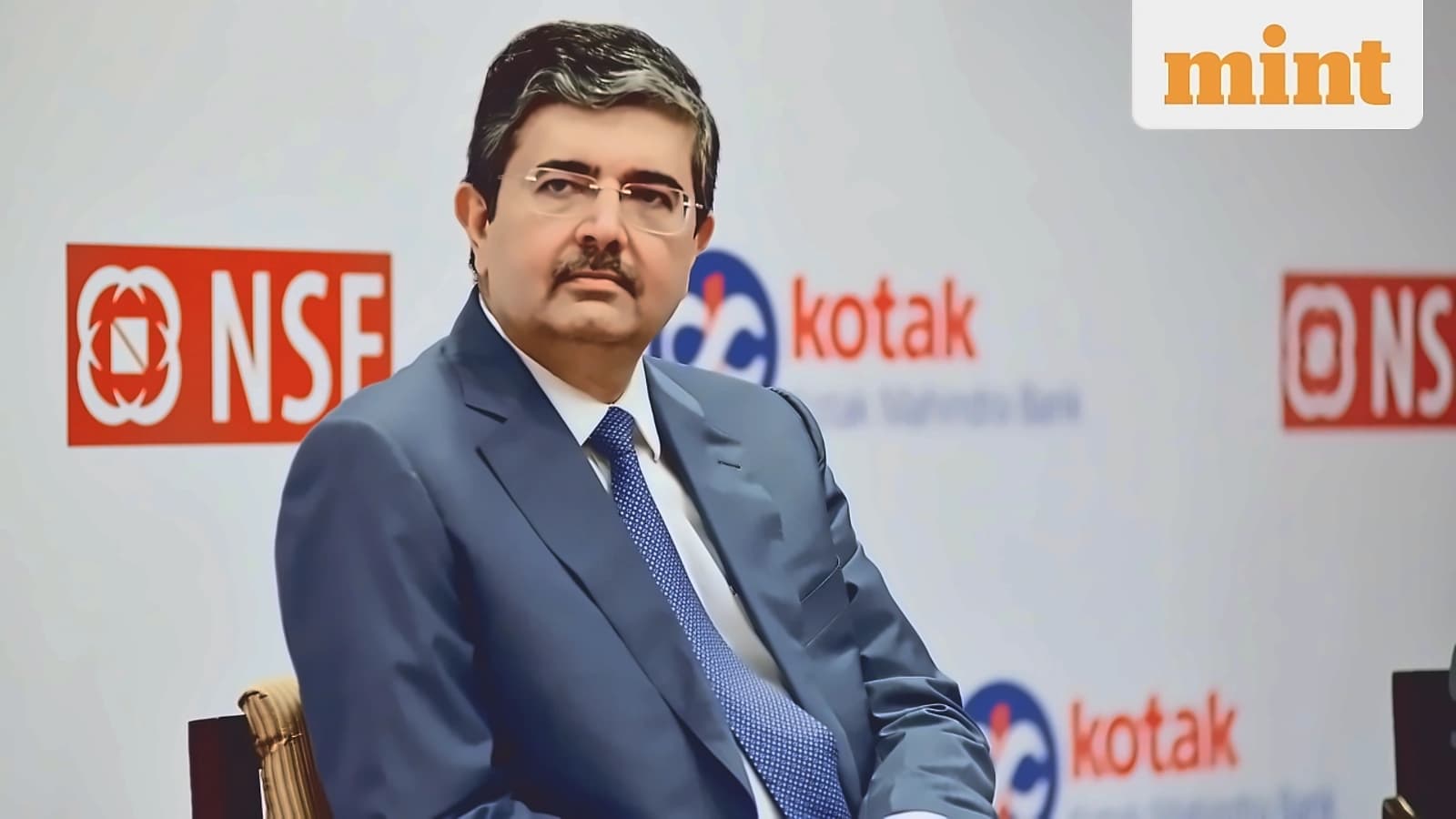
Unlike traditional IPOs that rely heavily on foreign institutional investors and mutual funds, REITs and InvITs attract a wider domestic investor base. According to Mint reports, the investor base includes insurers, pension funds, family offices, high net-worth individuals, treasuries, and retail investors. As reported by Mint, some family offices and treasuries have appetite for allocation up to ₹500 crore, with insurance companies and pension funds being equally sizable in terms of demand. Kaushal Shah, managing director and head of equity capital markets at Kotak Investment Banking, told Mint that the depth of investor appetite allows for large quantum of funds raised by REITs and InvITs. Blackstone's Asheesh Mohta noted that REITs in India have grown well, but the market can become much larger as more developers come to market.

Banks are seeking regulatory relief from the Reserve Bank of India regarding InvIT lending rules, particularly the 3-year track record requirement that may impact infrastructure monetisation and fresh funding. An industry executive noted that if InvITs cannot access cheaper credit, their asset acquisition would also be affected. As per the latest government data, asset monetisation through InvITs and REITs has unlocked more than ₹1.5 lakh crore, recycling funds into new projects and attracting global investors. According to a recent report by ratings agency Crisil, assets under management of road sector InvITs are likely to increase 30% to ₹3.9 lakh crore by the end of this financial year, fuelled by monetisation of toll road assets by the National Highways Authority of India (NHAI) and continued traction in hybrid annuity model (HAM) asset sales by road developers.