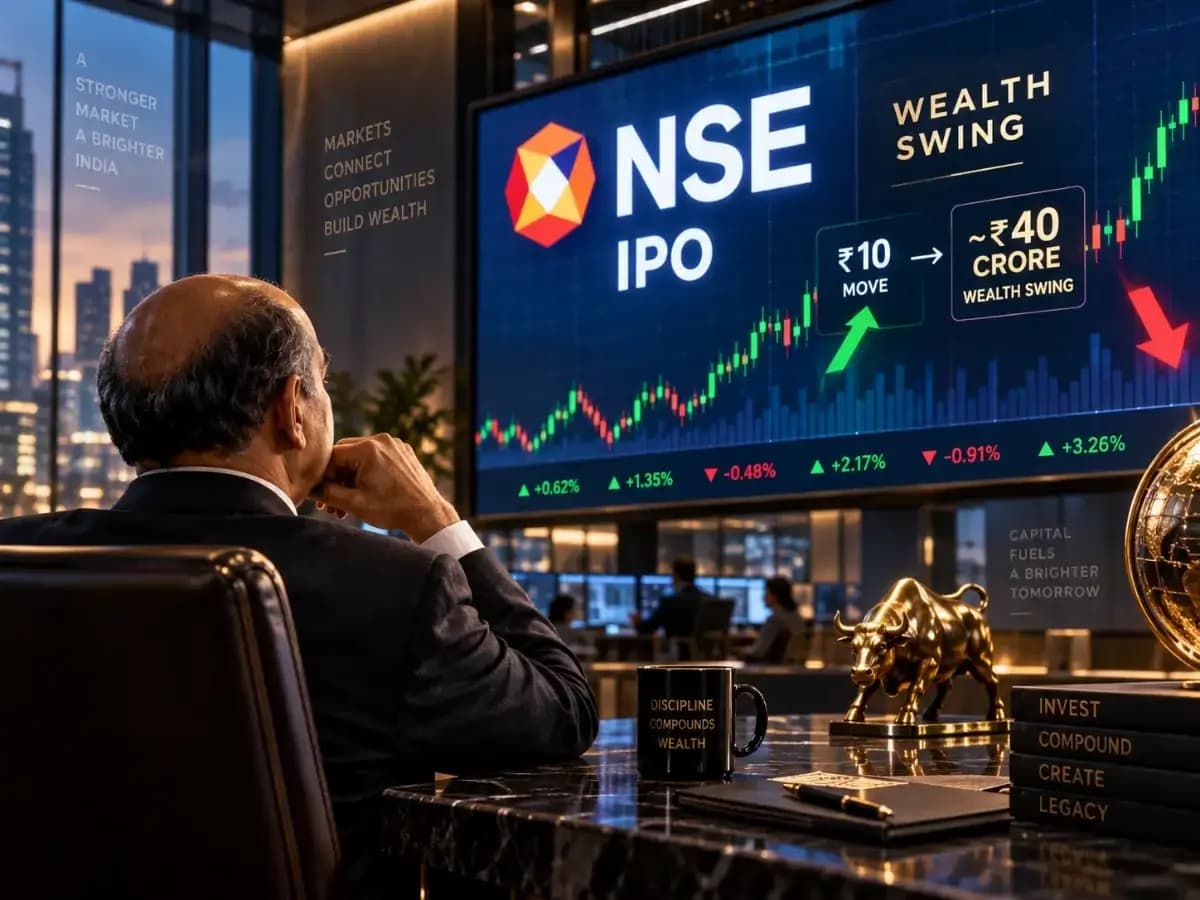
According to latest reports from CNBC TV18 and Bloomberg, Radhakishan Damani, founder of DMart, holds the largest individual stake at 1.58% (approximately 39.08 million shares), with his holding potentially worth around $835 million at current market prices. Azim Premji, founder of Wipro, holds the second-largest stake through his investment fund, which originally purchased a 3% stake for $100 million in 2008 and has grown to around 58.2 million shares worth approximately $1.2 billion if the listing is successful. Sunil Kant Munjal, chairman of Hero Enterprise, owns 0.41% (about 10.20 million shares) with his stake potentially valued at around $218 million. At current unlisted market prices, Damani's holding is worth approximately ₹8,032 crore, making it the largest individual stake among shareholders choosing not to sell. The latest data shows Damani's stake alone is valued at more than what several institutions exiting the exchange are expected to realise, with his holding worth around ₹2,055 per share before the IPO papers were filed. Premji's net worth stands at $20.3 billion according to the Bloomberg Billionaires Index, while Damani's net worth is placed at $17.8 billion.
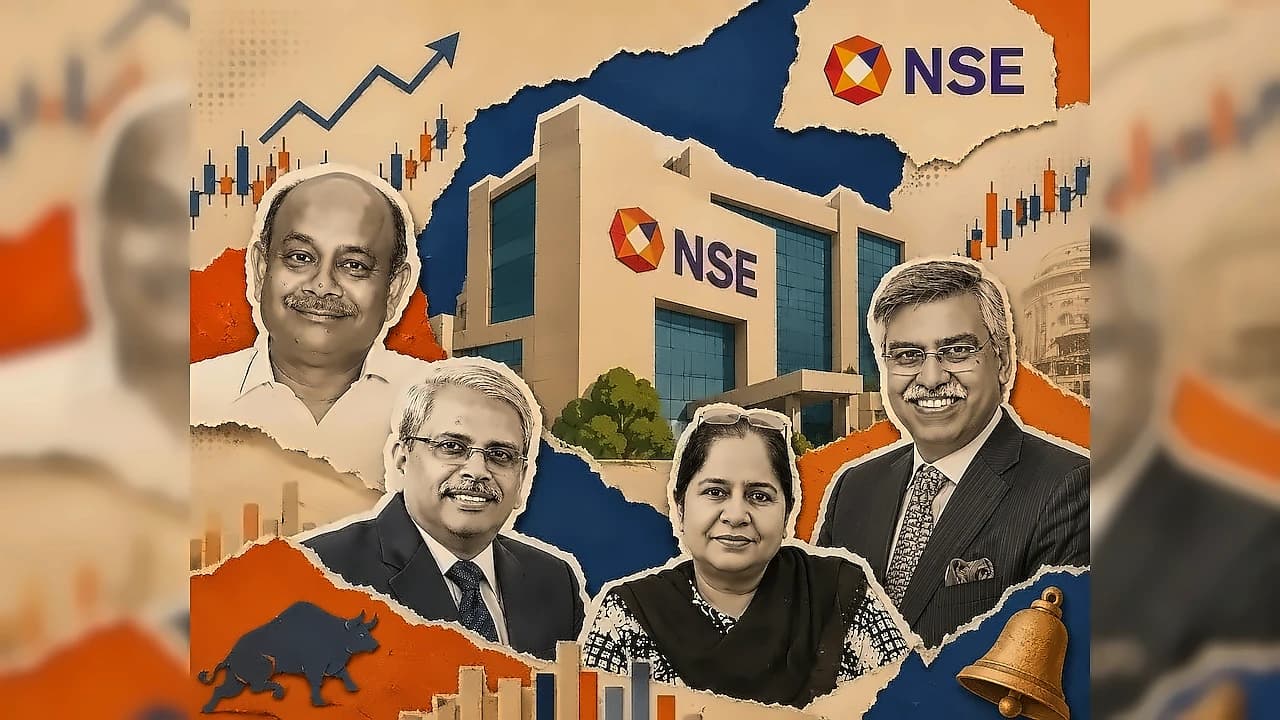
As reported by Essential Business Intelligence, several prominent institutional investors are part of NSE's shareholder base. Tiger Global Five Holdings holds 0.78% of the exchange, while Massachusetts Institute of Technology owns 0.31% (approximately 77 lakh shares) as a direct shareholder rather than through a fund vehicle. Jignesh Vijay Shah, founder of Financial Technologies and MCX, is also listed despite facing regulatory proceedings after the 2013 NSEL payments crisis. Among corporate names, Adani Properties Private Limited, part of Gautam Adani's conglomerate, appears towards the tail end of the list. Ignatius Navil Noronha, former CEO of Avenue Supermarts (the company operating the DMart retail chain), holds 30 lakh shares worth around ₹600 crore. The exchange has grown from a market infrastructure institution into one of India's most profitable financial platforms, with even relatively small percentage holdings translating into sizeable investments. Several well-known financial sector leaders also hold stakes in the exchange, including Motilal Oswal Financial Services founders Raamdeo Agrawal and Motilal Oswal, IIFL Group founders Nirmal Jain and R Venkataraman, and 360 One WAM Chief Executive Officer Karan Bhagat.
According to the draft red herring prospectus, several notable corporate connections emerge from NSE's shareholder list. Kushal Pal Singh, founder and chairman emeritus of DLF, India's largest listed real estate company, is included. Serum Institute of India, the Pune-based vaccines and biologics group led by Cyrus Poonawalla, holds a stake, while Tata Investment Corporation, the listed investment arm of the Tata Group, is part of the cap table. Dolly Khanna, the Chennai-based investor whose portfolio moves are closely tracked by retail market participants, holds 1.52 million shares (a 0.06% stake) worth about ₹311 crore at NSE's last unlisted trade. Raamdeo Agrawal and Motilal Oswal, veteran value investors, each hold 1 million shares, representing a 0.04% stake apiece worth roughly ₹164 crore each. The list in the DRHP is structured to cover shareholders whose combined holding adds up to at least 80% of pre-offer share capital and runs to over 300 names.
As reported by The Economic Times, the most significant holdout isn't a person but an institution - Life Insurance Corporation of India (LIC), NSE's largest shareholder with a stake of almost 10.72%, is not participating in the offer for sale at all. LIC was among the very first institutions to subscribe to NSE's shares back in 1992 and will retain its position intact through the listing. This contrasts sharply with other institutions realizing significant gains from the exchange's blockbuster IPO. SBI alone is selling 24.75 million shares for a windfall pegged at an almost 2,568-fold profit on its original investment, while public insurers New India Assurance and National Insurance are tracking returns of up to 6,422 times their original investment. The IPO now provides a formal route for price discovery and broader participation, enhancing transparency and creating a market-driven benchmark for valuing exchange businesses in India.
Despite the large size of the IPO, only a few individual investors are participating in the Offer for Sale. According to the DRHP, Amit Kumar Lohia plans to sell up to 25,000 shares, while Rajiv Bolla will offer up to 7,500 shares. Shaik Samdani Basha and Mahesh Gupta are selling up to 1,000 shares and 500 shares respectively. Among corporate investors, Be-In Eight S.r.l. is also participating in the OFS by offering around 2.62 lakh shares, which remains a relatively small portion of the overall issue. The presence of these seasoned investors highlights the confidence several market participants have placed in NSE's growth story over the years, with most major individual shareholders choosing to retain their stakes.
According to The Economic Times, the proposed ₹30,000 crore issue is structured entirely as an offer for sale of about 148.9 million shares, nearly 6% of NSE's paid-up capital, from existing institutional shareholders and funds. Using an indicative price of ₹2,000 per share, the issue would value NSE at around ₹5 lakh crore, or $52 billion, with a price-to-earnings ratio of 49 and price-to-book ratio of 15. The IPO is structured with up to 50% for qualified institutional buyers, not less than 15% for non-institutional bidders, and 35% for retail investors. Because regulations bar a stock exchange from listing on itself, NSE's shares will list only on rival BSE, with the exchange commanding by far the dominant share of India's exchange business despite being valued cheaper than its smaller rival. The proposed issue eclipses the ₹27,000 crore record set by Hyundai Motor India's 2024 listing, with Reliance Industries Ltd.'s Jio reportedly planning an even larger IPO. The listing is expected to mark a defining moment for India's capital markets, bringing one of the nation's most influential financial institutions into the public market after years of anticipation.