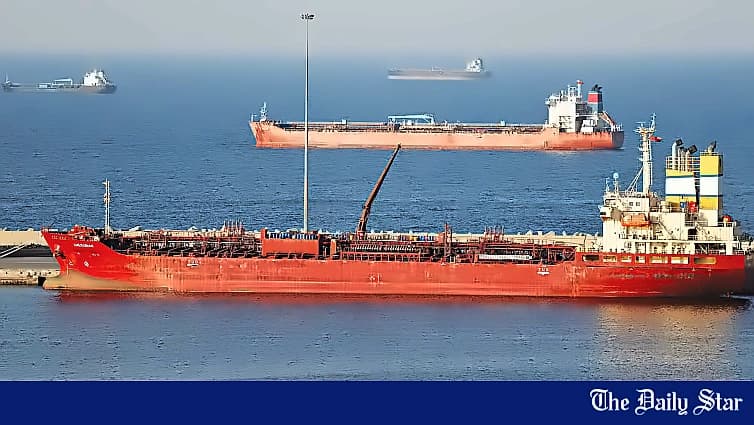
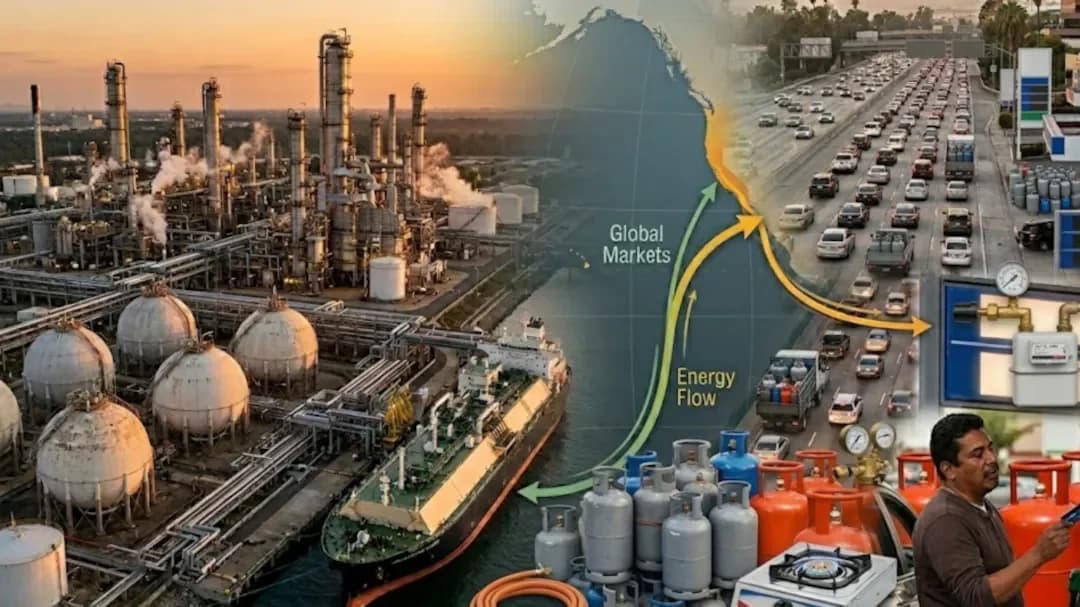
California is facing a summer jet fuel crisis as the US-Iran war drags on, with experts warning of severe shortages if no concrete peace deal is reached within three weeks. According to GasBuddy analysis, "If we don't have some concrete [peace] deal here in the next three weeks, then I'm really nervous for the West Coast this summer in terms of jet fuel," said Patrick De Haan, head of petroleum analysis. California's vulnerability stems from its isolation, operating as an island sandwiched between the Pacific Ocean and mountainous terrain, forcing heavy reliance on Asian imports for oil, gasoline, diesel, and jet fuel. The crisis is particularly concerning for California's economy, as the state imports much of its energy needs from the Middle East-dependent Asian region.
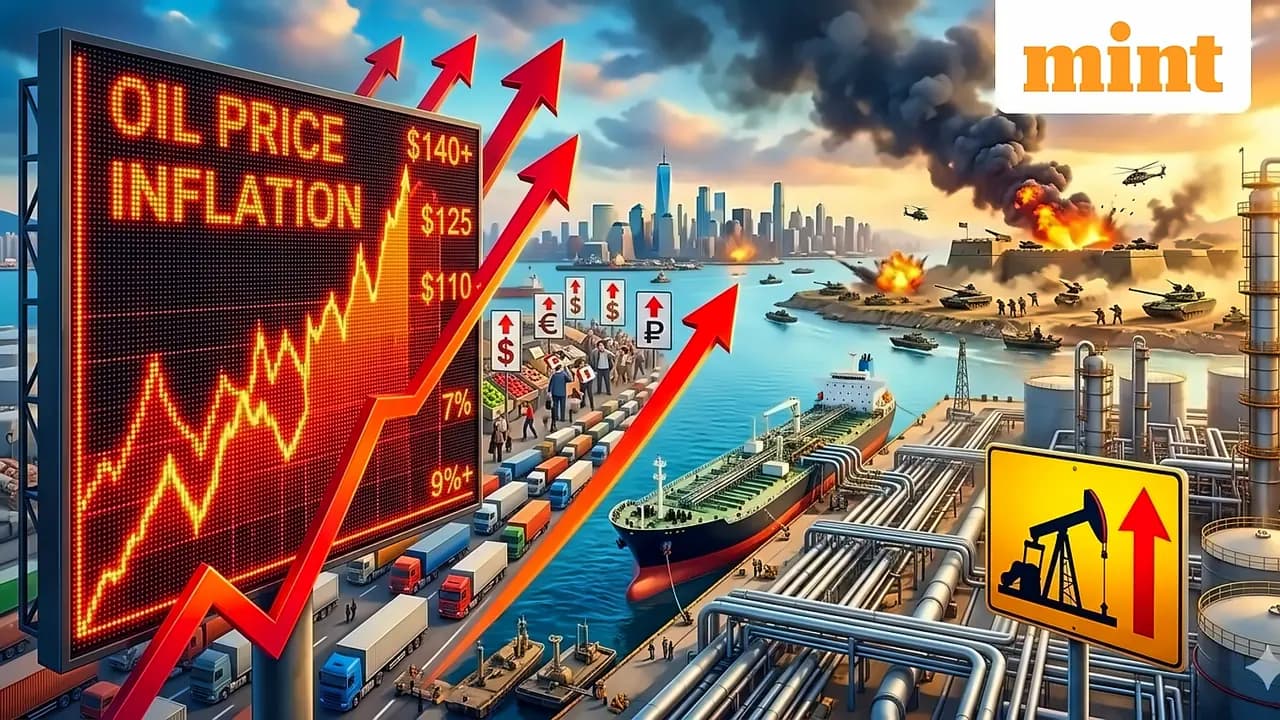
International Energy Agency (IEA) chief Fatih Birol has warned that the Iran war will have permanent consequences for global energy markets, fundamentally altering the fossil fuel industry. As reported by OilPrice.com, Birol told The Guardian that "Their perception of risk and reliability will change. Governments will review their energy strategies. There will be a significant boost to renewables and nuclear power and a further shift towards a more electrified future," resulting in "permanent consequences for the global energy markets." The IEA chief described the current crisis as "bigger than all the biggest crises combined," chastising the world for allowing the global economy to be "hostage to a 50km strait." This represents a significant shift from previous assessments, with Birol now predicting that the damage to confidence in fossil fuel security is permanent.
The ongoing US naval blockade of the Strait of Hormuz remains in full force until a deal is fully agreed, with President Trump stating the blockade will stay until a deal is reached. As reported by Barchart, the closure has severely impacted global energy flows, as about a fifth of the world's oil and liquefied natural gas transits through the strait. Goldman Sachs estimates that crude output in the Persian Gulf has been curtailed by about 14.5 million bpd, or more than 50%, so far in April, with the current disruption drawing down nearly 500 million bbl from global crude stockpiles. The International Energy Agency (IEA) said about 13 million bpd of global oil supply has been shuttered by the Iran war and strait closure, with more than 80 energy facilities damaged during the conflict.
Crude oil prices experienced a sharp decline on Friday, with WTI crude oil closing down 1.45% and June RBOB gasoline falling 0.19% after Pakistan announced that a second round of US-Iran peace talks is expected. According to Barchart reports, the losses accelerated after CNN reported that President Trump will send two envoys to Pakistan this weekend for talks with Iran, with Iranian Foreign Minister Abbas Araghchi expected to arrive in Pakistan for possible peace negotiations. However, Iran has denied that any talks are scheduled between US and Iranian officials, creating uncertainty in the market. The latest developments show Trump signaling he's in no rush to end the war, with signals suggesting the timeframe for ending the conflict is getting longer, contributing to continued market volatility.
The US-Iran war has created a global oil market crisis with unprecedented supply disruptions. According to J.P. Morgan analyst Joyce Chang, global oil inventories—strategic reserves and private storage supplies—will be fully depleted by the second week in May. At that critical point, the price of oil could rise to $150-$200 per barrel as "physical supply constraints and forced demand destruction would become the central dynamic." The crisis extends beyond the Strait of Hormuz, with Europe and Asia facing widespread fuel shortages this summer as the war continues. Brent crude oil rose to $106 per barrel this morning from a low of $101 yesterday, reflecting the escalating market pressures. JPMorgan has argued prices may need to rise further to force additional demand destruction, with Goldman Sachs estimates showing Gulf oil production is down 57% from pre-war levels.
In the national capital, petrol is priced at ₹94.77 per litre by state-run oil marketing companies, while diesel is sold at ₹87.67 per litre. As reported by Live Mint, prices of regular petrol and diesel have largely remained unchanged since March 2024. The global market response has been severe, with S&P 500 futures down 0.41% yesterday and European markets declining significantly, including the Stoxx 600 down 0.92% and UK's FTSE 100 down 0.82%. India's Nifty 50 was down 1.12%, reflecting the widespread impact of escalating oil prices on global equity markets.