Mohamed El-Erian, former CEO of PIMCO and chair of former President Obama's Global Development Council, has issued a stark warning about the economic consequences of the US-Iran conflict. As reported by Fortune, El-Erian recently put a precise deadline on the crisis, stating that the window to avoid a recession will close if the Strait of Hormuz remains closed for four to eight weeks. "If they're not [reopened] … it will look very different," El-Erian warned, emphasizing the urgency of the situation. The Strait of Hormuz has been largely blocked since February 28 when the US and Israel launched strikes on Iran, killing Supreme Leader Ali Khamenei. Iran closed the Strait in retaliation, with commercial traffic dropping more than 90% almost immediately.
The economic impact of the Strait closure has reached unprecedented levels, with the International Energy Agency (IEA) describing the situation as the "largest supply disruption in the history of the global oil market." According to the IEA, roughly 20 million barrels of oil per day transit the Strait, representing around 25% of all global seaborne oil trade, with the vast majority destined for Asian markets. As reported by Fortune, while Admiral Brad Cooper recently testified that American military action has "significantly degraded" Iran's military capabilities, there's no clear indication when the Strait could open for commercial transit. Cooper noted that "the Iranian capability to stop commerce has been dramatically depleted through the strait, but their voice is very loud," with threats clearly heard by the merchant and insurance industries. The crisis has now sent economic shockwaves far beyond West Asia, disrupting global supply chains and intensifying inflation fears worldwide, as reported by World Business Watch.
Despite ongoing US-Iran conflict and oil price spikes, the S&P 500 has surged approximately 16% since late March, setting daily records and recovering all Iran war-linked losses. As reported by Bloomberg, economist Tyler Cowen argues that today's high stock prices are warranted, with the key being that global good news outweighs the bad, though it garners fewer headlines. This market resilience challenges the conventional wisdom that geopolitical tensions should automatically drive stocks lower, suggesting that fundamental economic factors continue to support equity valuations even amid Middle East uncertainties. The global supply chain disruption has intensified inflation fears worldwide, but markets appear to be pricing in the temporary nature of the crisis while focusing on underlying economic strength.
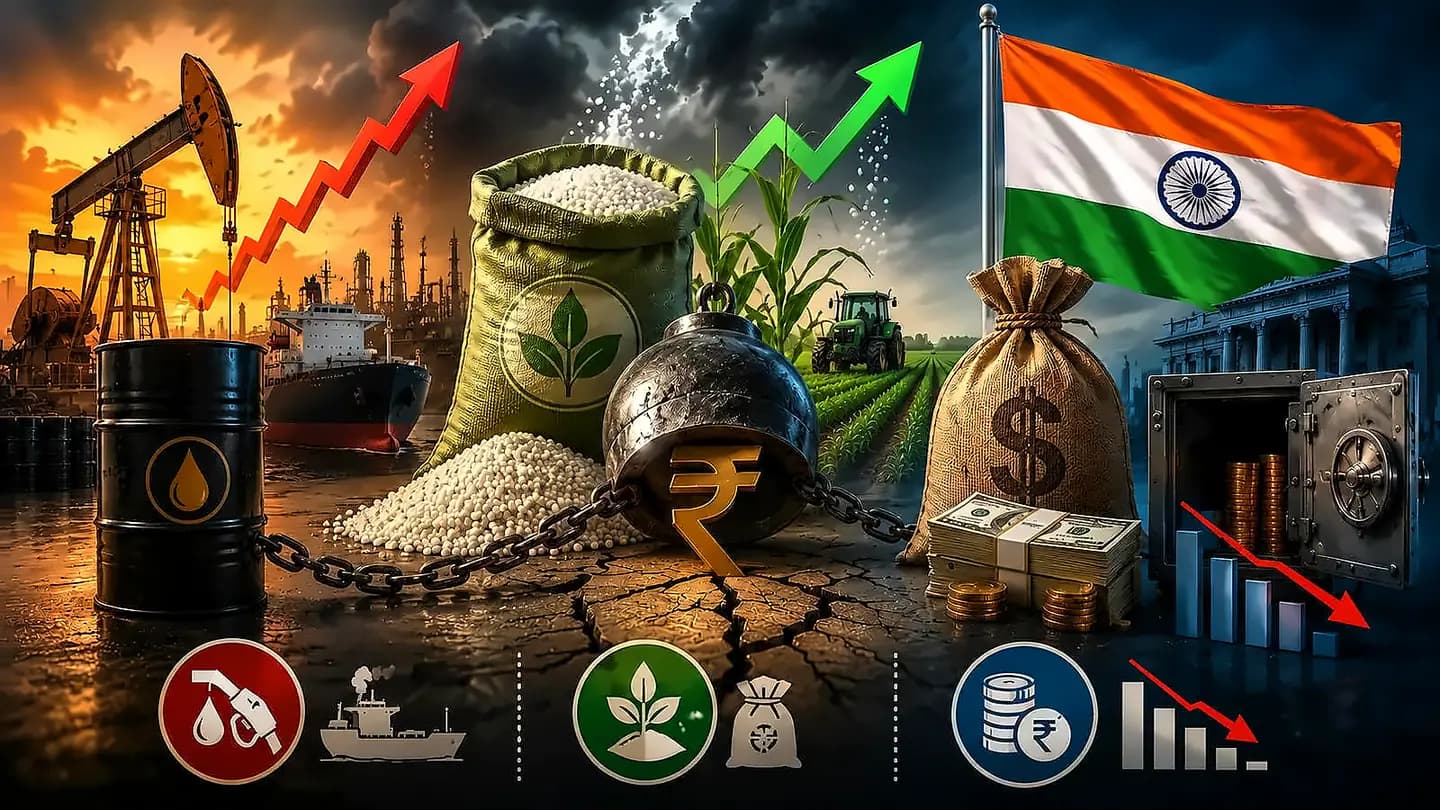
According to Mint reports, India imports more than 85% of its crude oil consumption, making the country particularly vulnerable to global oil price increases. The conflict's impact is felt directly through higher fuel prices at petrol pumps, increased fertilizer costs, and higher cement and household expenses. For Indian investors, the crisis affects both equity portfolios through market volatility and household budgets through rising input costs. The US Energy Information Administration reports that imports still made up 17% of US energy supply in 2024, indicating that even America's comparatively insulated position faces pressure from the supply disruption. Companies across sectors face compressed margins due to higher oil-related input costs, with the real impact expected to materialize through next year's earnings rather than immediate market reactions. The global supply chain disruption has reshaped daily life, trade and energy markets around the world, as reported by World Business Watch, highlighting the crisis's far-reaching economic implications.
As reported by Mint, Kumar acknowledges that traditional investment reassurances may not apply during this crisis due to the unique nature of the conflict. The recovery is expected to be slow and uneven, with crude oil potentially remaining elevated for years rather than weeks. Inflation may not fall on schedule, and anticipated rate cuts may not arrive as expected. El-Erian's warning about the closing recession window adds urgency to these concerns, suggesting that economic fundamentals justify a rising market even as political headlines may create temporary volatility, though the current conflict creates a different investment environment where traditional market cycles may not provide usual recovery patterns. The global nature of the crisis, with economic shockwaves extending beyond West Asia, has intensified inflation fears worldwide and reshaped market expectations for the duration of the supply disruption.