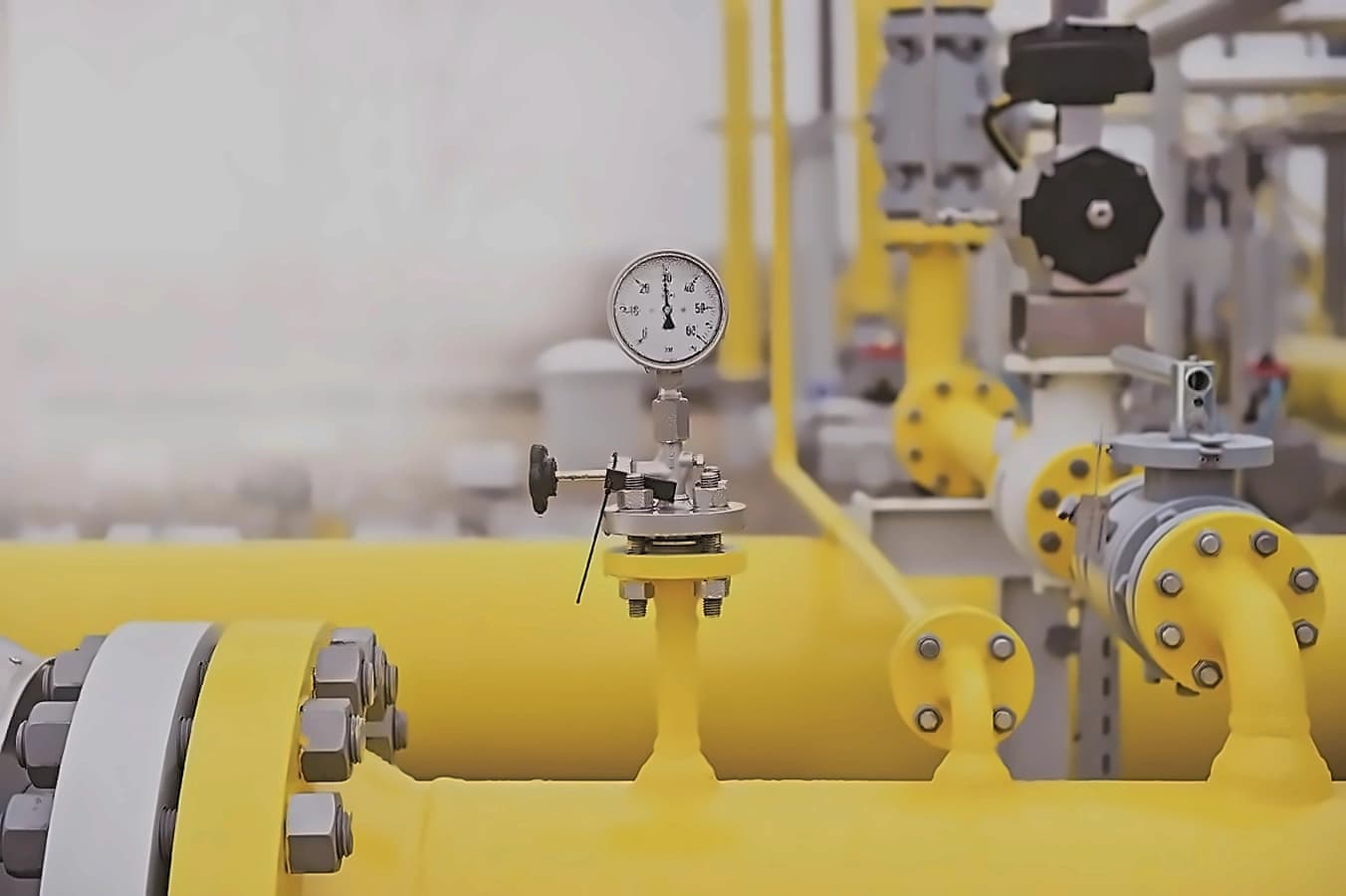
The energy crisis has reached critical levels across South Asia, with Bangladesh drawing more than 90% of its petroleum from imports and facing severe disruptions. According to reports from The Guardian, Dhaka, a city of almost 40 million people, now runs on a timetable set by gas pressure, with residents planning their days around when the stove will light, how long a fan can run, and how far the petrol queue stretches. The problems stem from attacks by the US and Israel on Iran over six months ago, which led to disruption of oil and gas exports through the Strait of Hormuz, and ongoing fighting between Saudi Arabia and Iran-backed Houthis that imperils trade through the Red Sea. As per The Independent, Bangladesh has been marked as "the country that could be the first to run out of fuel due to the US-Iran war," though government sources vehemently deny this possibility.
The US-Iran conflict has emerged as a significant economic shock extending well beyond West Asia, with Brent crude moving back above $100 a barrel in September, according to S&P Global estimates. The average Brent price in the first half of September was more than 40% above its early-July low, creating substantial economic disruptions across major economies. The International Monetary Fund's July 2026 World Economic Outlook projected global growth at 3% in 2026, down from the 3.5% average recorded in 2024 and 2025, with the war shock weighing on energy importers and vulnerable economies. Recent growth data shows significant differences, with India recording 7.8% year-on-year real GDP growth in Q1 of FY 2026-27, while the US economy grew 2.1% year-on-year in Q2 2026 and China's GDP expanded 4.3%.
Higher crude prices and shipping costs are creating significant pressure on import bills and trade balances across major economies. India's trade deficit widened to $26.86 billion in August, with crude import costs rising 25.8%, while Japan recorded a 1.1 trillion yen trade deficit in August, driven in part by a 58.7% increase in petroleum imports. The energy shock is feeding into currency markets, with oil-importing currencies such as the Indian rupee and Japanese yen coming under pressure, while the US dollar remains relatively firm. The Chinese yuan has shown greater resilience, supported in part by China's relatively lower exposure to imported energy compared to other major economies.
The rise in energy prices is creating significant inflationary pressures across economies, with impacts extending beyond fuel to transport, manufacturing, and food sectors. In the US, consumer inflation was 3.4% in August, unchanged from July, while the energy index rose 16.3% year-on-year, according to Business Standard. India's retail inflation accelerated to 4.82% from 4.45% in July, with food inflation at 5.95%, while UK inflation rose to 3.1% from 2.9% in July with motor fuels among the biggest contributors. Germany's inflation rate rose to 2.9%, with energy prices increasing 10.5% year-on-year, and Japan's headline inflation stood at 1.9% in August. China remains an outlier with consumer inflation at 0.8%, even as factory-gate and producer price pressures picked up.