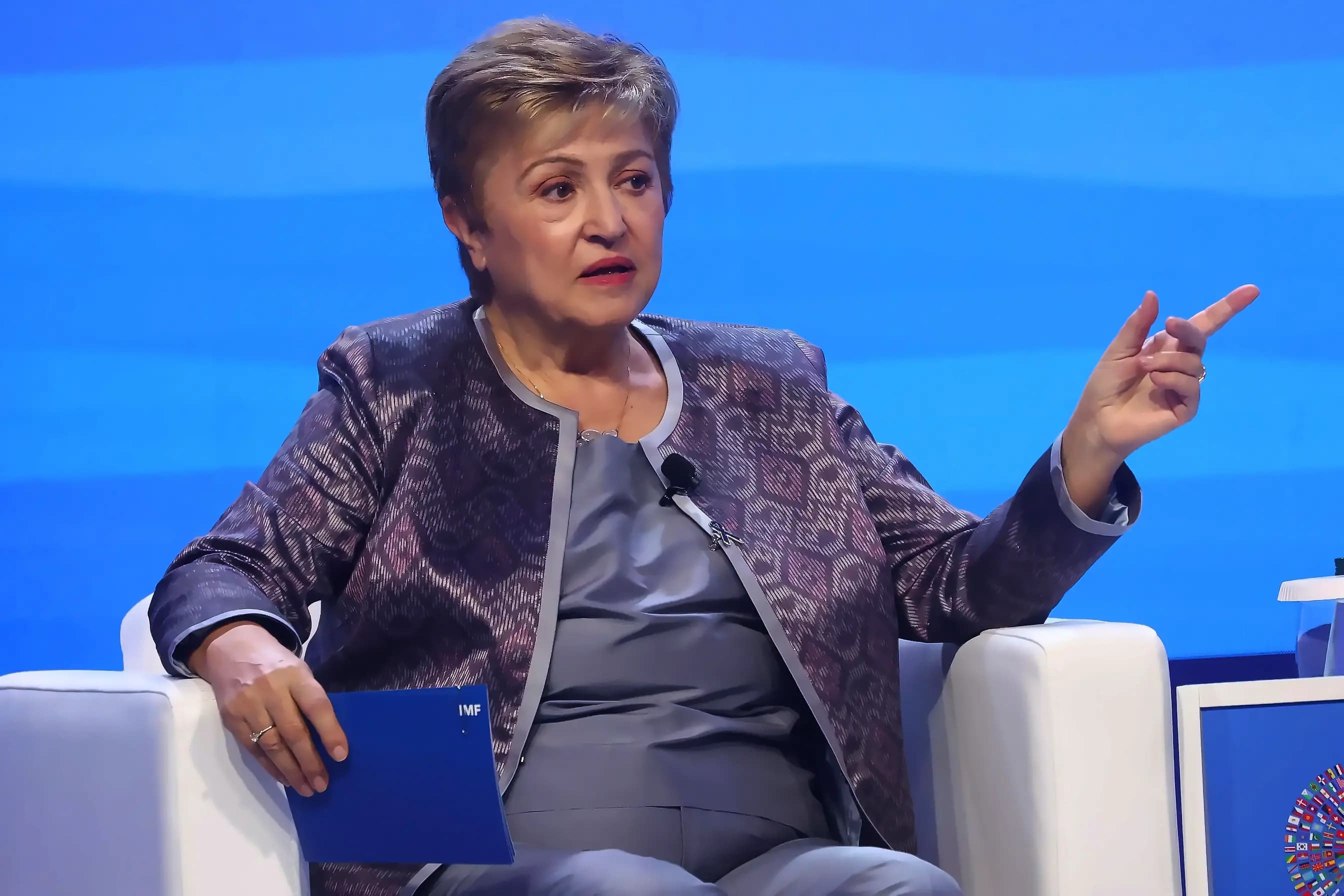
India's Consumer Affairs Ministry is set to develop machine-readable, SMART standards using artificial intelligence tools to reduce compliance burden on industry, as reported by The Economic Times. Consumer Affairs Secretary Nidhi Khare announced this initiative at a FICCI-organised event, stating that the department was looking at ways to leverage emerging technologies, particularly AI, to modernise the country's standards ecosystem. The Bureau of Indian Standards (BIS) is transforming from a regulator to a facilitator, with the government promoting private sector testing infrastructure to support industrial expansion while maintaining consumer trust. The initiative aims to translate regulatory requirements into structured digital rules that computer systems can process directly, enabling automatic compliance verification without manual intervention.
Market veteran Ajay Srivastava from Dimensions Corporate believes the narrative around the global economy, particularly the United States, is often misunderstood by Indian investors. Speaking to ET Now, Srivastava argued that while many perceive the U.S. to be facing economic challenges, the reality is quite different. He emphasized that the American economy continues to perform exceptionally well, with stock markets at record highs, unemployment near historic lows, and some of the world's largest companies continuing to create enormous wealth. Srivastava stressed that every country would aspire to be in the position that the U.S. currently occupies and urged India to focus less on judging global economies and more on addressing its own economic challenges.
Despite geopolitical tensions, including the ongoing conflict in West Asia, the global economy remains resilient, as reported by The Economic Times. Srivastava pointed out that developed nations have successfully diversified across industries such as semiconductors, technology, and advanced manufacturing, reducing their dependence on any single sector. He noted that India still has significant work to do in building similar capabilities and strengthening its economic competitiveness. The market veteran emphasized the importance of keeping economic discussions separate from political considerations, arguing that a pragmatic approach is essential for long-term growth.
On artificial intelligence, Srivastava maintained that investors cannot afford to ignore the theme despite concerns around lofty valuations, according to The Economic Times. He believes the leading AI companies enjoy strong competitive advantages and are likely to remain important wealth creators over time. Among Indian sectors, Srivastava believes banking stands to gain the most from AI adoption. He expects artificial intelligence to transform operational efficiency, reduce costs, and significantly improve profitability, with banks that successfully integrate AI into their business models potentially witnessing margin expansion. From branch operations to customer service and call centres, AI has the potential to automate labour-intensive processes and enhance customer experience. However, he remains selective on the banking sector, questioning the effectiveness of recent interest rate reductions and emphasizing that structural reforms and technological adoption are likely to have greater impact on profitability than monetary policy alone.
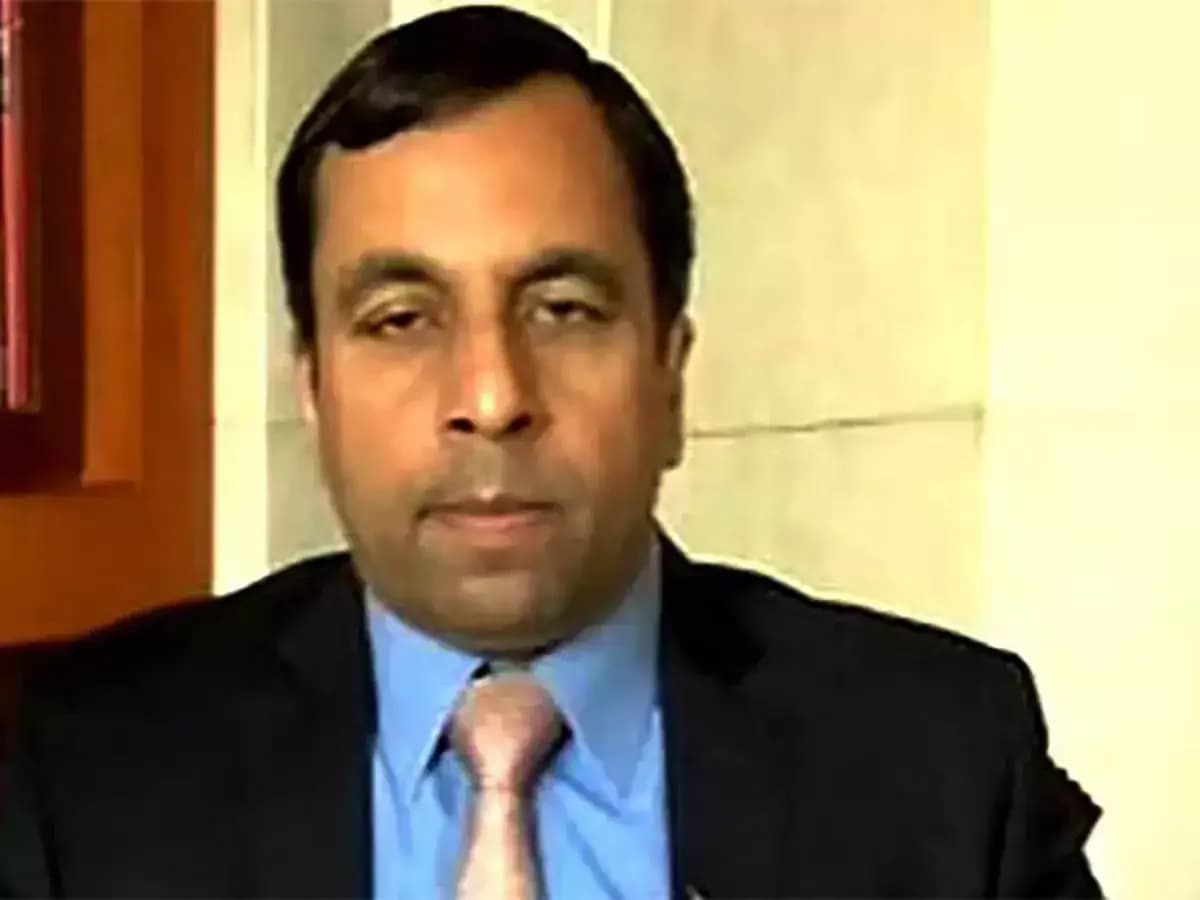
HSBC Mutual Fund CEO Kailash Kulkarni urged investors to keep return expectations realistic, stating that a 12% annual return is a strong outcome in equity markets, according to ET Alpha Wealth Summit reports. Speaking at the summit, Kulkarni highlighted export-led manufacturing as a key long-term opportunity, arguing that India's growing network of free trade agreements and position in global supply chains could help domestic manufacturers gain market share as companies diversify production beyond traditional manufacturing hubs. India currently has around 10-11 free trade agreements either operational or under various stages of implementation, providing greater access to overseas markets for domestic producers. While acknowledging that India may not emerge as the biggest winner in the global AI race, Kulkarni emphasized that the country has several other opportunities that could create substantial economic value over the coming decade.