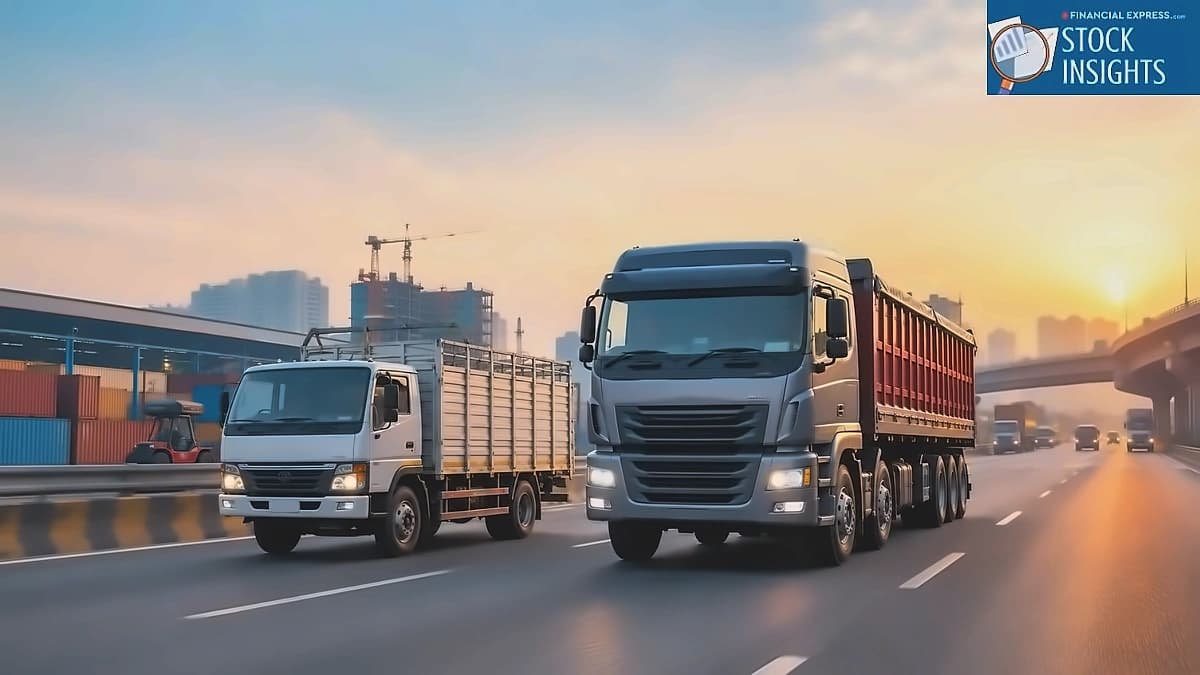
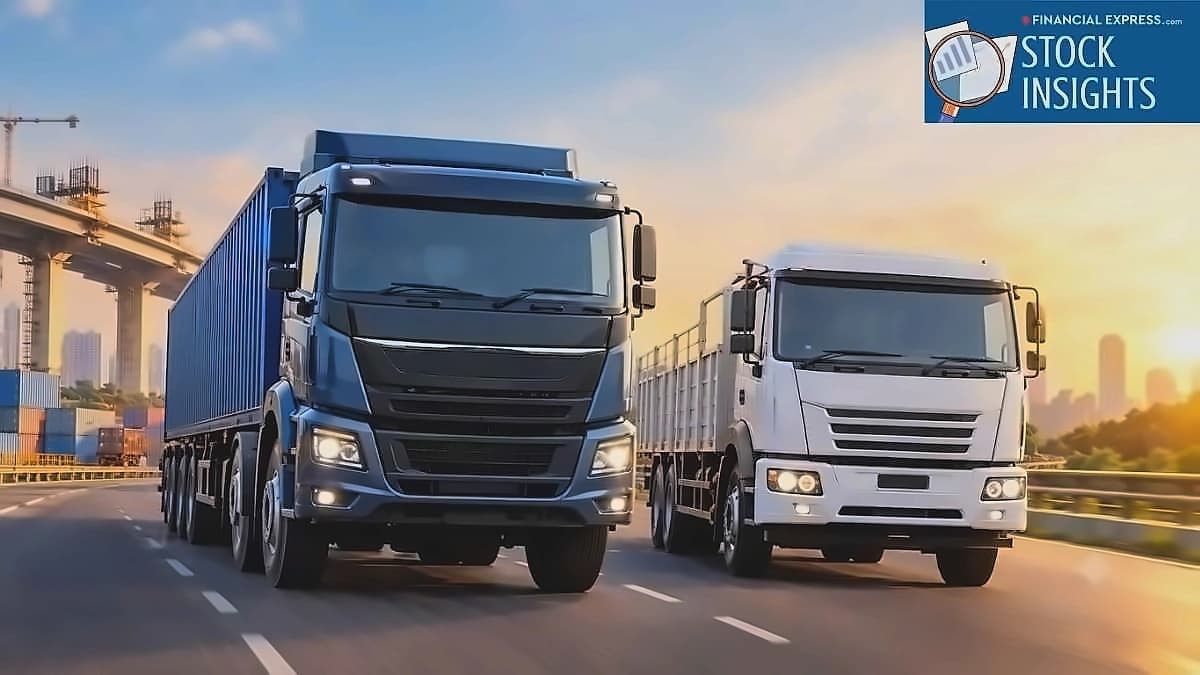
According to reports from The Financial Express, Tata Motors delivered exceptional performance with 26% year-on-year growth in commercial vehicle sales to 108,700 units, driven primarily by 35% growth in small commercial vehicles and pick-ups to 38,300 units. The company's domestic market share increased by 100 basis points to 36.8% in the quarter, as reported by Vahan. Ashok Leyland also posted strong results with 10.2% growth in commercial vehicle sales to 48,763 units, benefiting from 20% growth in light commercial vehicles for models like Dost, Bada Dost, and Partner trucks. As reported by The Financial Express, both companies demonstrated resilience despite facing higher input costs and the Middle East crisis impact on petroleum product prices.
As reported by The Financial Express, Tata Motors' standalone revenue from operations grew 23.3% year-on-year to ₹19,329 crore, while net profit increased 8.3% to ₹1,528 crore. However, operating profit margin declined marginally to 10.2% due to higher input costs from steel and copper. Ashok Leyland reported record quarterly revenues of ₹9,634 crore (10.4% growth) and achieved its highest ever Q1 standalone net profit of ₹609 crore (2.5% growth). According to The Financial Express, both companies faced margin pressure from rising input costs, with Ashok Leyland's operating profit margin declining 110 basis points to 10%. Despite strong revenue growth, Ashok Leyland's EBITDA remained broadly unchanged at ₹970 crore while EBITDA margin declined to 10.1% from 11.1% in the previous year, though this still marks the company's 14th straight quarter of double-digit EBITDA margins.
Ashok Leyland shares rose as much as 2.61% to ₹176.40 on the BSE following the strong Q1 results, with the stock trading 2.04% higher at ₹175.40 as of 9:18 am. According to NDTV Profit, four brokerages raised their target prices despite concerns over rising commodity costs. Goldman Sachs increased its target to ₹175 from ₹162, Kotak Securities raised it to ₹180 from ₹170, CLSA lifted its target to ₹196 from ₹183, and UBS increased its target to ₹210 from ₹208. Citi retained its Buy rating while trimming its target to ₹200 from ₹205, and Jefferies maintained its Hold rating and ₹160 target, citing valuation concerns. With the latest changes, brokerages remain broadly constructive on Ashok Leyland's demand outlook, but differ on how quickly margins can recover as commodity costs rise.
According to The Financial Express, Ashok Leyland continued expanding its sales and service network during Q1, adding 33 new touchpoints to further strengthen customer reach. The company's MHCV truck volumes grew 15% while LCV domestic volumes increased 21% year-on-year, with LCV volumes reaching 18,874 units marking the highest-ever Q1 volume for the segment. Ashok Leyland introduced industry-first Air Suspension Technology in multi-axle trucks during the quarter, aimed at delivering best-in-class payload capability and improving total cost of operations. As reported by The Financial Express, the company's export volume stood at 2,461 units during the quarter, while Power Solutions, Aftermarket and Defence businesses also contributed strongly to overall financial performance. The company also launched a 12-metre fuel cell bus and SWITCH India secured an order for 650 e-buses.
According to The Financial Express, Ashok Leyland implemented two price hikes totalling 2-2.25% this year, with more possible if cost pressure persists. The company has launched a dedicated team targeting ₹2,000 crore in cost savings over 18-24 months through a "value engineering plus value enhancement" approach, aiming for ₹1,500-2,000 crore in savings over 3-4 years. Since material costs make up about 75% of total revenue, the bulk of savings is expected from reducing material costs. The company's MHCV breakeven volume has fallen from 6,000-7,000 units a month to just 1,000-1,500 units a month, against average sales of 10,000 units a month last year, sharply cutting cyclical risk. On international expansion, Ashok Leyland is focusing on opening a new plant in Saudi Arabia with final approvals expected within six to eight weeks and production likely to begin in 18-24 months. Goldman Sachs expects high-single-digit truck volume growth in FY27 but warned that higher-cost inventory could put further pressure on margins in Q2, while Kotak expects margins to soften in Q2 due to commodity cost lead-lag.