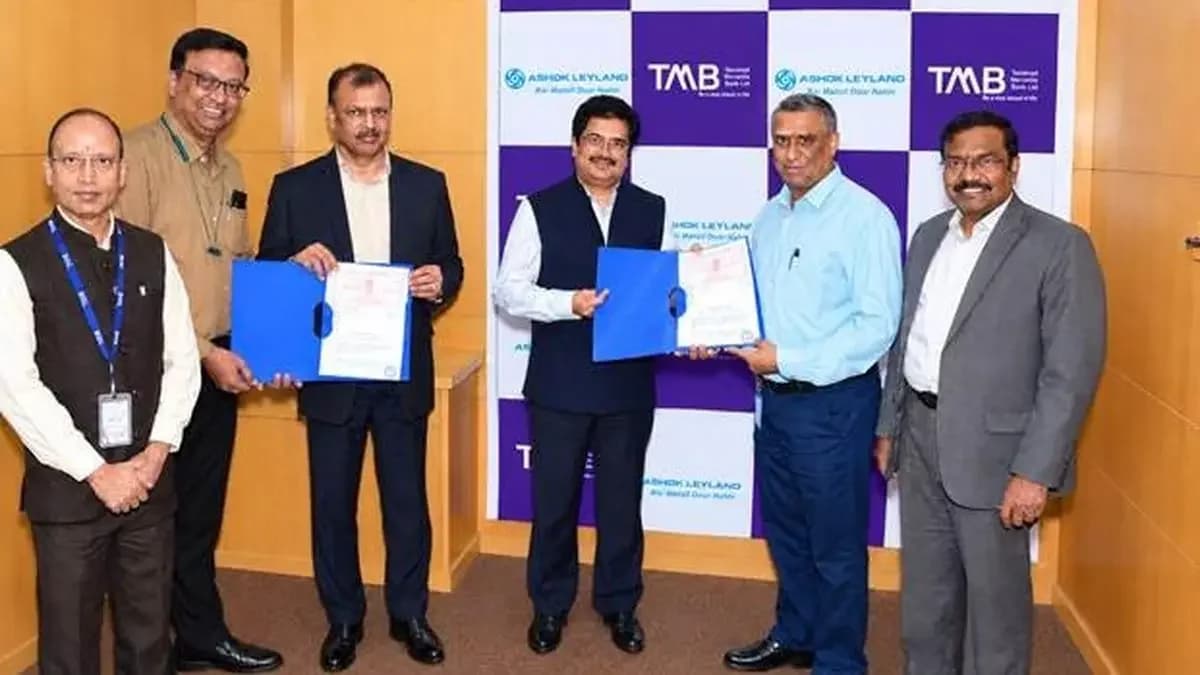
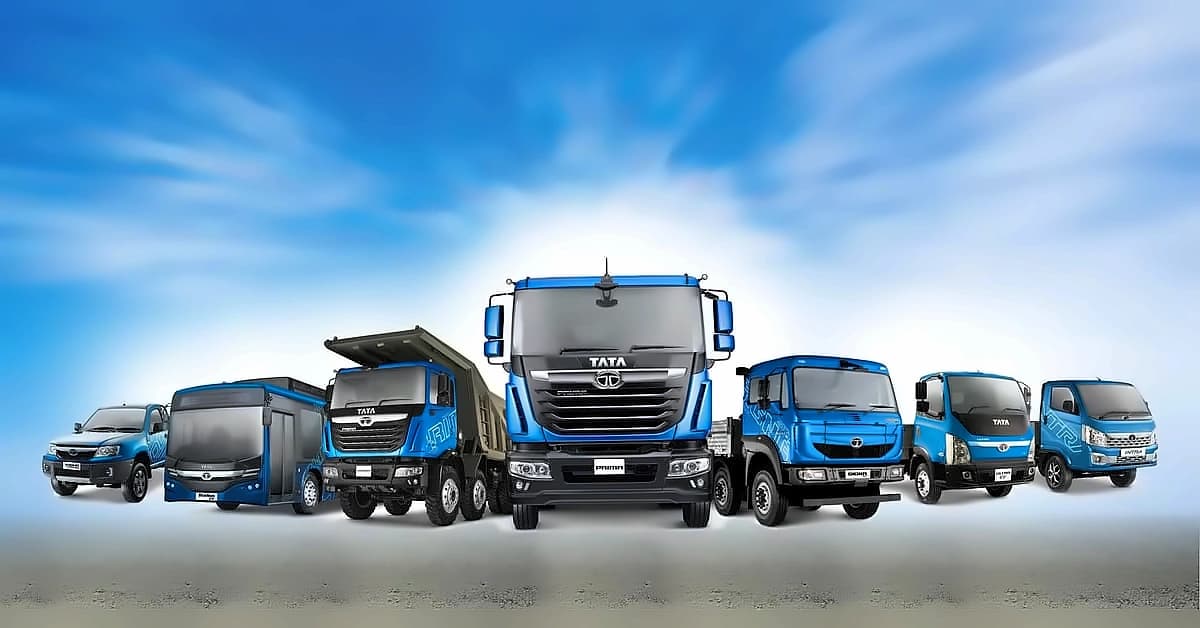
Two leading commercial vehicle manufacturers delivered impressive sales growth in the September 2026 quarter, demonstrating resilience against economic headwinds. Tata Motors reported a remarkable 42.7% year-on-year growth in vehicle sales to 135,114 units, while Ashok Leyland achieved 30.17% growth reaching 21,105 units across domestic and export markets. According to reports from The Financial Express, this strong performance comes despite the continued Middle East crisis and a broadly deficient monsoon season across several states, including Maharashtra and Karnataka declaring drought in different districts.
The growth momentum was driven by strong performance across both domestic and international markets. Tata Motors' domestic CV sales grew 30.9% year-on-year to 113,982 units, with heavy commercial vehicles benefiting from sustained infrastructure, construction and mining activity. Overseas sales surged 177.3% year-on-year to 21,132 units, contributing significantly to the overall growth. Ashok Leyland's domestic sales made up the bulk of September performance, with 20,135 commercial vehicles sold in India, up 29.31% from 15,572 units a year earlier, while exports grew faster at 51.33% to 970 units compared to domestic growth rates.
Heavy commercial vehicle trucks were the standout performer, up 40.3% to 33,756 units from 24,056 units a year earlier, while intermediate, light and medium commercial vehicle trucks grew 24.4% to 20,949 units. Combined domestic medium, heavy and intermediate Tata CV sales rose 34.1% to 55,582 units, with small commercial vehicle cargo and pickup sales rising 26.2% to 43,822 units and passenger carriers growing 35.2% to 15,455 units. Electric vehicle volumes increased 2.4 times year-on-year, though the company didn't disclose absolute unit counts. International commercial vehicle sales rose 177.3% to 21,132 units, with September showing even stronger growth of 179.1% to 7,575 units.
The commercial vehicle sector benefited from the GST reduction on trucks, buses and commercial vehicles from 28% to 18% effective September 22, 2025. As reported by The Financial Express, this policy measure, combined with the low base effect from the previous year, helped cushion the impact of economic headwinds. The sector continued to benefit from various measures taken by the RBI and central government to boost economic activity, with CV makers not facing significant headwinds from the Middle East crisis during the September 2026 quarter.
Despite strong sales growth, both companies faced margin pressures due to rising input costs. Tata Motors' operating profit margin declined marginally year-on-year to 10.2% in Q1 FY27, while Ashok Leyland's operating profit margin fell 110 basis points year-on-year to 10%. To address these challenges, both companies implemented price hikes in Q2 FY27, with CV prices also increased from October 1. Tata Motors launched a voluntary tender offer for Italy-based Iveco Group, running from September 7 to October 26, 2026, which could create a combined entity with revenues of Euro 21 billion across Europe (46%), India (32%), South America (8%), and rest of world (14%).
Both companies demonstrated strong capital efficiency with Tata Motors achieving a standalone Return on Equity of 53.6% compared to Ashok Leyland's 30.2%. According to The Financial Express, Tata Motors ended 1.5% lower at ₹415.3 with a standalone P/E of 22.9, while Ashok Leyland closed 2.2% lower at ₹151 with a P/E of 23.0. H1 FY27 sales now stand at 2,43,602 units, up 35.1% year-on-year, with September 2026 alone contributing 51,062 units against 35,862 units in September 2025. The commercial vehicle segment is expected to continue growing despite ongoing challenges from the Middle East crisis and deficient monsoon season, with both companies positioned to benefit from policy measures and strong local demand trends.