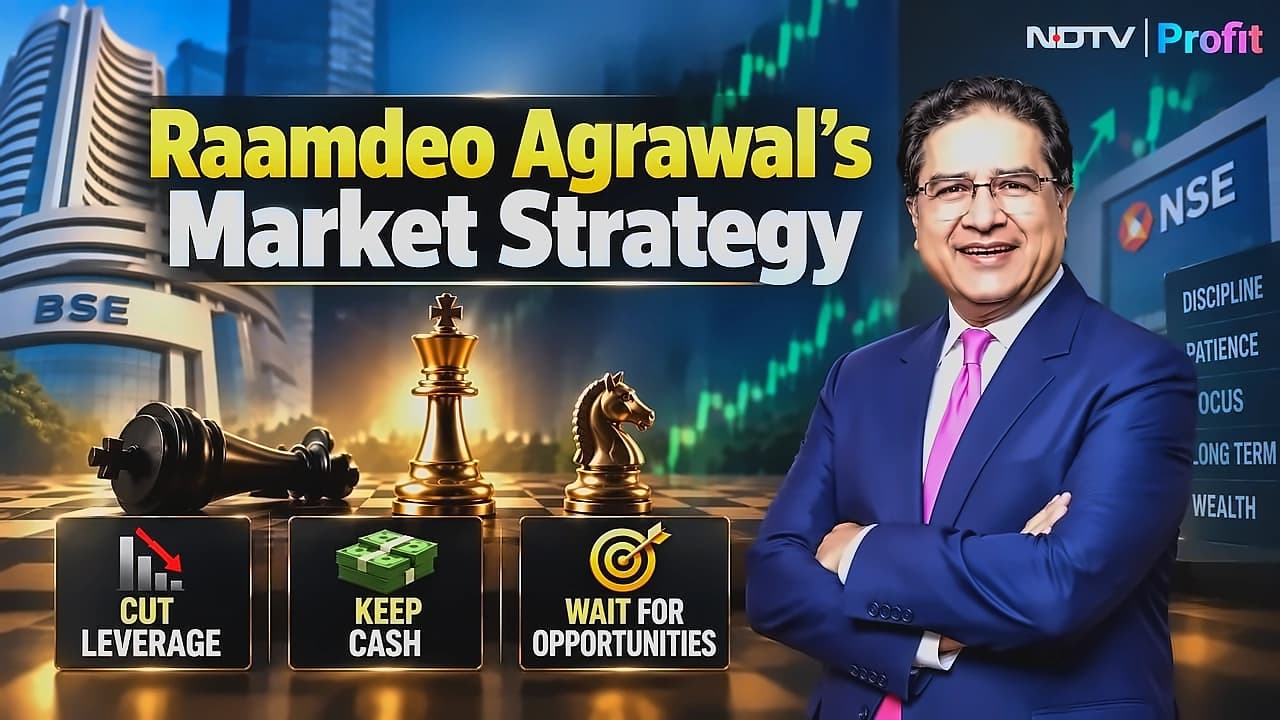
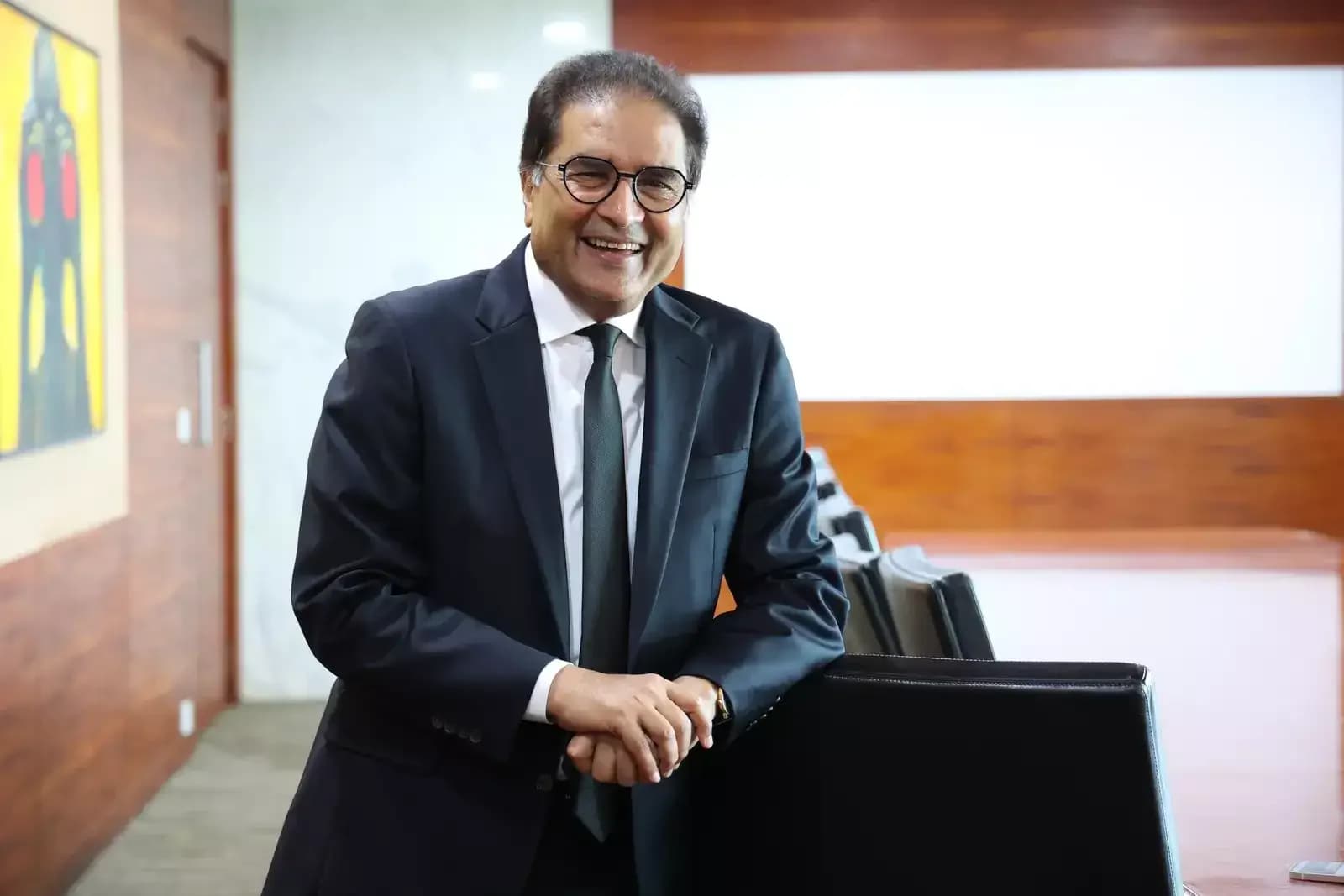
Veteran investor Raamdeo Agrawal, founder of Motilal Oswal Financial Services, believes quick commerce could be the next major wealth creation opportunity in India. Speaking at a Motilal Oswal conference on August 1, Agrawal highlighted that quick commerce represents a completely new category where no company has yet made meaningful profits. He compared this to the early days of Zomato and Blinkit, noting that these businesses are still evolving and entrepreneurs have done tremendous work building the companies. According to Agrawal, investors should focus less on current earnings and more on whether a completely new category is being created, as this has been the pattern for India's biggest investment opportunities.
Agrawal emphasized that India's biggest investment opportunities have consistently emerged when new business segments are created. He cited HDFC Bank as a defining example, noting that when private banking licenses were issued in the mid-1990s, the bank listed at around ₹40 per share with a market capitalization of barely ₹200-250 crore. As investors gradually recognized the bank's ability to compound earnings at around 30 percent annually, valuations expanded sharply. Agrawal invested ₹5-6 lakh in HDFC Bank at the time, representing about 7-8 percent of his ₹10-crore portfolio, but sold after adverse news emerged, missing substantial wealth creation. He pointed to software, private banking, telecom, passenger cars, and non-banking finance as sectors that created extraordinary wealth over different periods.

Agrawal believes India's next generation of wealth creators will emerge from digital platform businesses, calling them a 'super-mega trend'. He pointed to the United States, where the world's largest companies are increasingly technology platforms rather than traditional industrial businesses. Microsoft is growing at around 30-35 percent in dollar terms, while among America's largest companies, only JPMorgan represents the traditional economy. Agrawal noted that India's top companies are still led by traditional businesses like Reliance and HDFC Bank, but this list will change over the next 10 years. He distinguished between traditional IT services companies and internet platform businesses, arguing that internet companies have the ability to scale globally because a single product can reach millions of customers at very low incremental cost.
According to Agrawal, India's internet story has only begun. He meets several private equity-backed companies every week and believes many are growing at extraordinary rates. In 2015, India's share of many global markets was barely 3-4 percent, but today profits are growing more than 100 percent in some businesses, with revenue growth of 50-60 percent not uncommon. He expects India to build globally relevant digital businesses over the coming decades, even if they do not become as large as America's technology giants. While investors increasingly believe companies like Eternal have already captured the quick-commerce opportunity, Agrawal disagrees, stating that 'people think a company like Zomato has already become very large. I don't think the story has even fully played out yet'.