Veteran investor Raamdeo Agrawal, Chairman and Co-founder of Motilal Oswal Financial Services, has advocated for a defensive investment approach in the current market environment. According to reports from NDTV Profit, Agrawal emphasized that investors should exercise caution by avoiding excessive leverage and maintaining cash reserves to capitalize on market corrections. His preferred strategy involves remaining unleveraged and, for investors comfortable with the approach, keeping 10%, 20%, or even 30% of their portfolio in cash depending on their risk appetite.
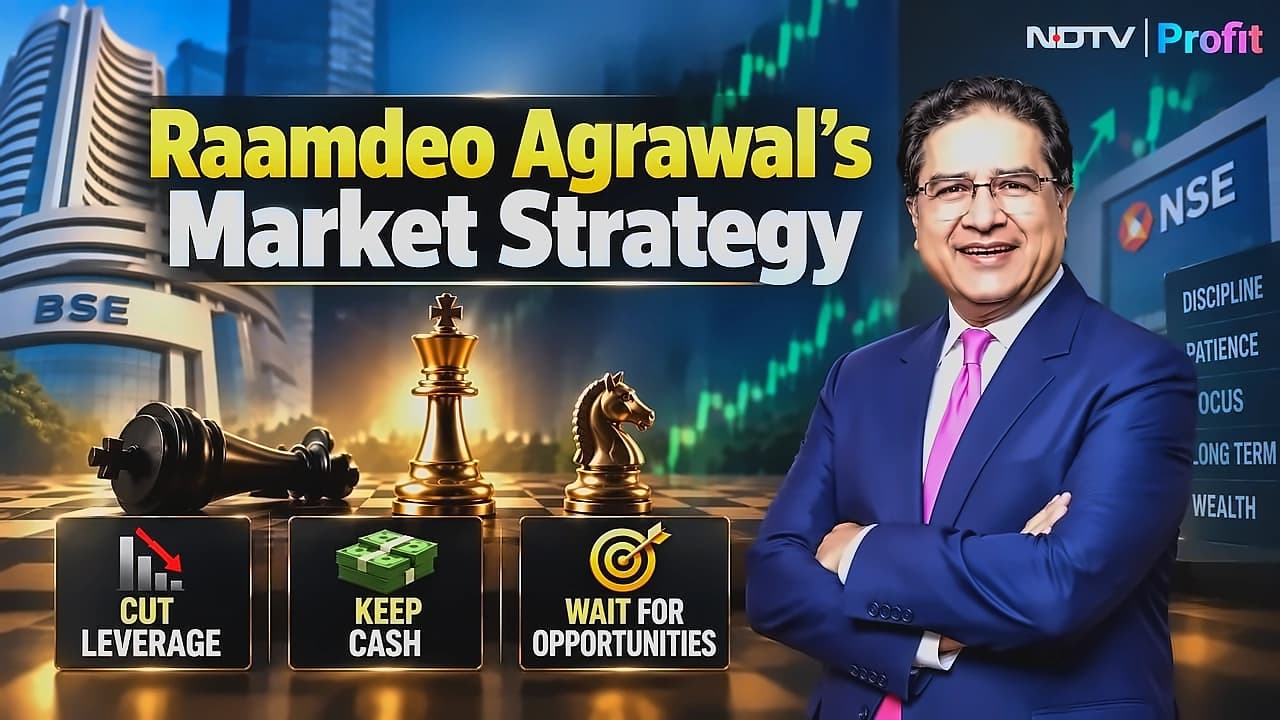
As reported by NDTV Profit, Agrawal stressed the importance of unleveraged positions, stating that "the best way to cut your risk in the market is to be unlevered." He highlighted the flexibility that cash provides, noting that investors could deploy capital when stocks or the broader market correct. The veteran investor's approach centers on avoiding forced selling during periods of market stress, stating "Let the whole world burn and you will be fine."
According to Agrawal's assessment reported by NDTV Profit, the domestic economy and corporate earnings remain on relatively strong footing. He pointed to corporate earnings growth of around 15% as a positive factor for Indian equities, while noting that the domestic economy remains resilient. However, he identified several global risks including rising global bond yields, elevated crude oil prices, and geopolitical uncertainties as creating market challenges. Despite these concerns, Agrawal sees periods of uncertainty as potential opportunities to identify fundamentally strong businesses at better valuations.
As reported by NDTV Profit, Agrawal's message for long-term investors focuses on maintaining financial flexibility to withstand market volatility rather than predicting specific market movements. His approach emphasizes having the conviction and patience to buy when opportunities emerge. The veteran investor does not advocate completely avoiding equities, instead viewing periods of uncertainty as potential times to identify strong businesses at attractive valuations. This defensive strategy aims to provide investors with the flexibility to capitalize on market corrections while maintaining exposure to long-term growth opportunities.