According to latest brokerage estimates, automobile manufacturers are expected to deliver strong performance in Q2FY27 with revenues growing 26-28% year-on-year, though higher commodity costs may restrict profitability despite strong sales. As per Axis Securities, revenues are projected to grow 28%, EBITDA 16% and PAT 12%, while Choice Institutional Equities forecasts 26.3% revenue growth, 14% EBITDA growth and 13.1% PAT growth. The strong performance is driven by demand remaining robust during the quarter, supported by affordability gains through reduced GST rates, new launches, and improving rural demand. According to Federation of Automobile Dealers Associations (FADA), retail registrations rose 24.92% Y-o-Y to 7.55 million units, with two-wheeler registrations growing 26.88%, passenger vehicles 22.23%, and commercial vehicles 25.16%, while tractor sales increased 14.51%.

Two-wheeler manufacturers are expected to fare better than other segments, with TVS Motor's revenues projected to grow 35-38% and PAT 45-49%, according to Axis Securities and Sharekhan. Bajaj Auto's revenues are forecast to rise 24-26% with PAT growing 21-27%, while Hero MotoCorp could report 18-21% revenue growth but PAT growth may be limited to 8-9%. Eicher Motors is expected to record 23% revenue growth and 15-21% PAT growth. The strong performance of two-wheeler manufacturers is attributed to continued demand boost following GST changes and strong wholesale volume growth across most vehicle categories. However, FADA has cautioned that growth, particularly in September, was inflated by a low base due to customers deferring purchases ahead of last year's GST rate cuts.
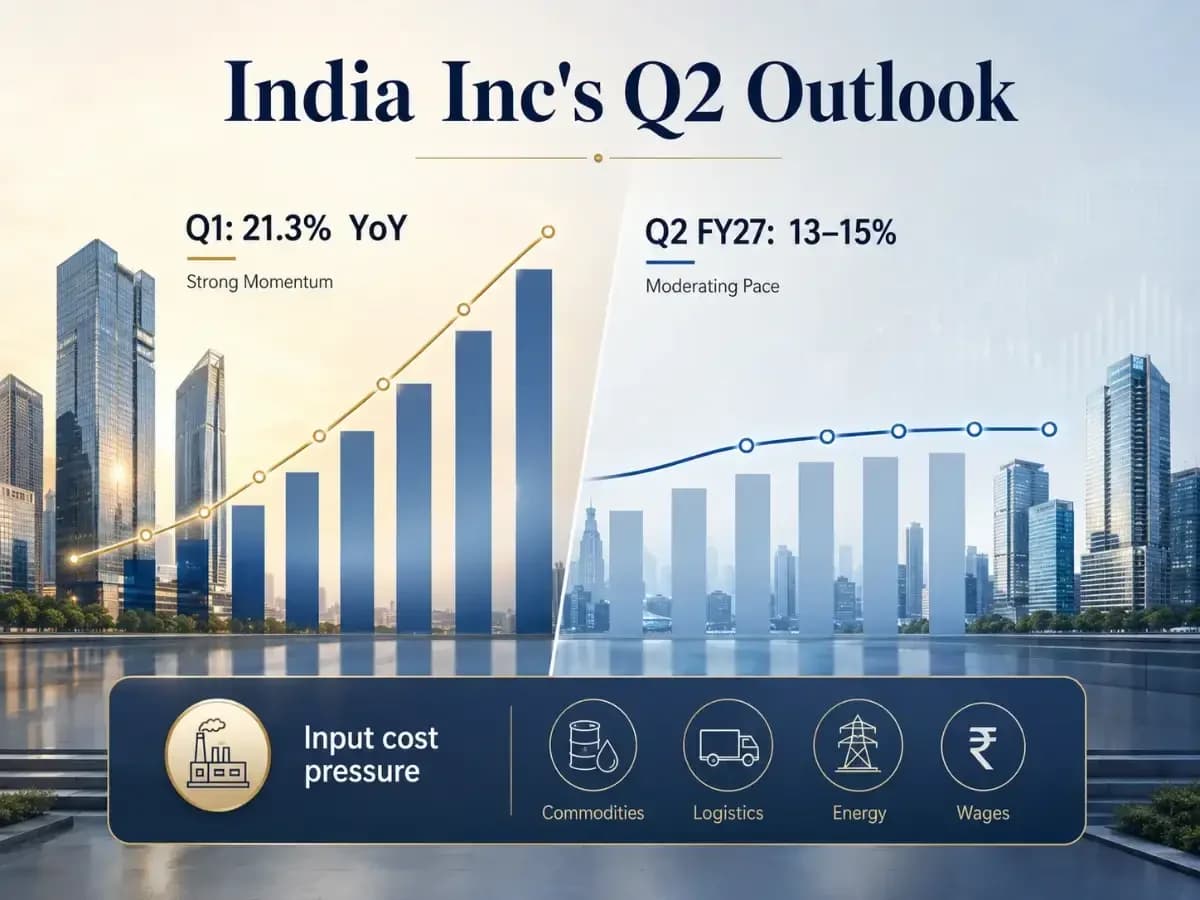
Commodity inflation remains the principal headwind, with copper and rubber prices rising 6% and 9% respectively quarter-on-quarter, according to Elara Securities. Pricing by automakers had not fully offset earlier increases in commodity prices, keeping margins under pressure despite strong volumes. As per Asit C Mehta Investment Intermediates (ACMIIL), price increases and operational efficiencies are expected to mitigate some cost pressures, but a meaningful recovery in margins would depend on movements in commodity prices and the timing of cost pass-through. Commodity costs could weigh on profitability despite the improvement in sales, with aggregate revenue for covered automobile OEMs expected to increase 27% year-on-year in the September quarter. The impact of rising commodity costs is expected to continue into Q3FY27, making margin recovery a key concern for the sector.
Strong growth in sales may not translate into equally strong profits for passenger-vehicle makers, with Maruti Suzuki expected to post 28-30% revenue growth but PAT could fall 8-15%, according to Axis Securities, ACMIIL and Mirae Asset Sharekhan. Mahindra & Mahindra's revenues could rise around 23% but PAT growth is expected at just 5.5%, with weakness in the tractor business weighing on earnings. Tata Motors' passenger-vehicle business could be an exception to the broader trend in margin pressure. Rising inventories in passenger vehicles have reached 43-45 days by September-end, as flagged by FADA, with festival demand and affordability being key monitorables for the sector.
Auto-ancillary units are expected to benefit from higher vehicle production and premiumisation, with revenues forecast to grow 22.5-24.5%, according to brokerage estimates. Minda Corporation, Uno Minda and Sansera Engineering are among those expected to benefit from higher vehicle production and premiumisation, though tyre manufacturers face pressure from elevated rubber costs. In commercial vehicles, Ashok Leyland's revenues are forecast to grow 33-36%, while commercial vehicle registrations grew 25.16% during the quarter. The Nifty Auto Index presents compelling investment opportunities with 15 stocks showing upside potential ranging from 50% to negative 1%, according to The Economic Times, with the sector historically providing early indicators of economic health.
According to Systematix Institutional Equities, India's automobile sector could see a shift in earnings leadership between FY26 and FY28 as rising raw material costs and slowing demand growth put pressure on profitability. The report emphasizes that FY27 could be a year of normalisation rather than a reversal, as the boost in vehicle sales from GST-related measures begins to moderate, while long-term demand drivers continue to evolve. Companies with strong premium vehicle portfolios, new product launches, efficient operations, healthy balance sheets and better control over commodity costs are likely to deliver stronger earnings growth despite moderate sales growth. For investors seeking to understand where the economy is headed in the next six months, the numbers to watch will come from auto showrooms, as reported by The Economic Times. CLSA noted an attractive risk-reward opportunity in the auto sector after the Nifty Auto index corrected around 17% over two months, with several OEMs trading at compelling valuations even under conservative assumptions for the next fiscal.