The US-Iran peace deal announced on 15 June has immediately weighed on Asian petrochemical prices, with prices falling on Tuesday following the announcement alongside a decrease in oil prices by over 4%. According to ICIS, this situation will further pressure producer margins across the region. China methanol futures prices plunged by more than 8% on 15 June from its settlement price on 12 June after the announcement, on expectations that methanol supplies from the Middle East to China and the rest of Asia will recover. The polyester market, notably in feedstocks such as purified terephthalic acid (PTA) and monoethylene glycol (MEG), is also experiencing price pressures amid ample supply and weak demand, even though most polyester plants in China and India have been running at reduced rates.
The Middle East conflict has created clear winners and losers in the chemicals industry, with traders holding stocks on 28 February emerging as the biggest beneficiaries as pricing rose more rapidly than had been the case for 20 years, according to IPEX, the ICIS petrochemical index of pricing for each major region. Asian producers have been the primary losers, suddenly finding themselves without feedstock as the Middle East supplies 60-65% of Asia's naphtha and is also reliant on LPG from the region. As reported by Asian Chemical Connections, 48 force majeures remained in place across Asia and the Middle East at the end of May, with plant damage on both sides of the Arabian or Persian Gulf still being assessed as close to state secrets level.
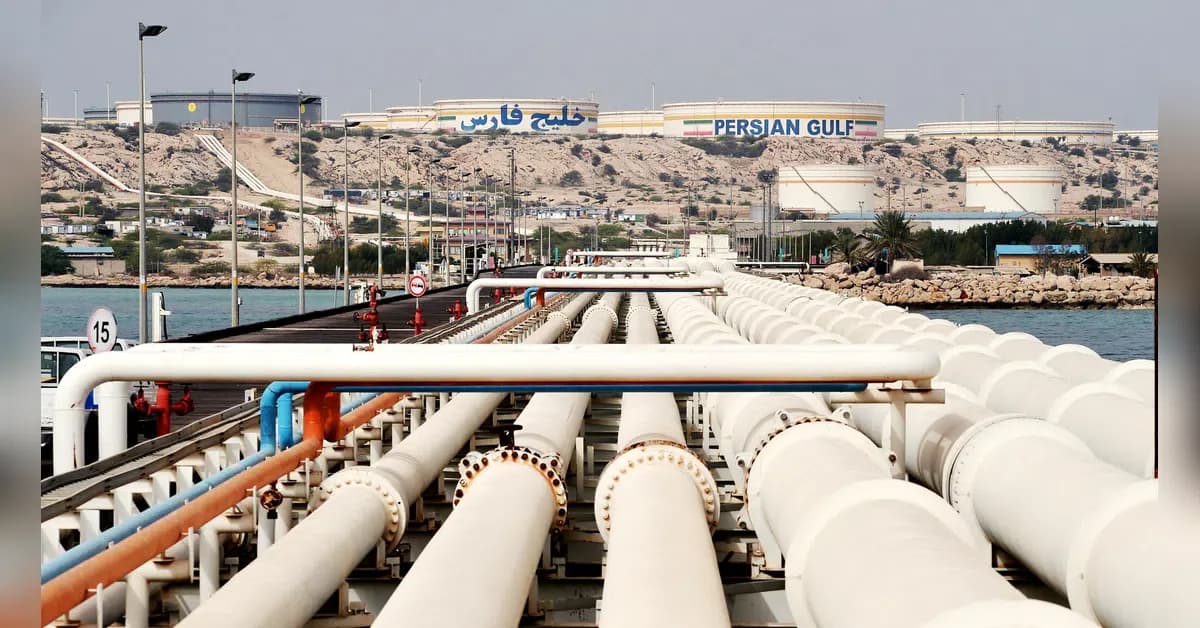
According to ICIS analysis, raw material supply for ethylene (C2) is expected to recover in the remainder of June and in the coming months with the Strait of Hormuz anticipated to reopen before July. ICIS projects the crude oil market will take around six months to normalize from the time the strait opens, under its 'Extended' scenario which has the conflict ending in June 2026. Around 10 million barrels/day of oil supply has been lost since the conflict began, with Asian crude importers bearing the brunt of the impact. However, the physical recovery in crude supplies might not be a reality until 2027, as reported by the International Energy Agency (IEA). The reopening of the Strait of Hormuz would also likely accelerate an existing downtrend, but the pass-through to downstream chemicals will not be immediate, so the market could see a period of dislocation and heightened volatility.
Demand from end-users is weak, especially in China, and domestic producers there have shifted to being net exporters for chemicals such as carbide-based polyvinyl chloride (PVC) and styrene. As reported by ICIS, China has been ramping up its chemical exports to fill in gaps left by falling production caused by the Middle East war, with a huge rise in volumes sent to the rest of Asia since the conflict began. However, the depreciation of some Asian currencies such as the Indian rupee against the US dollar has pushed up import costs, severely suppressing restocking willingness. At least one South Korea producer is considering shutdown amid squeezed margins, with a South Korea-based ethylene vinyl acetate (EVA) producer stating that "it's a tough spot, and I expect petrochemical companies to face significant losses from June through August."

US chemicals producers have seen their margins soar as their feedstock mainly consists of ethane, which is not oil-related, while China's chemicals industry has benefited from feedstock diversification including local coal-to-chemicals value chain and ethane imported from the US. As reported by Asian Chemical Connections, 2026 appears set to be as abnormal a year for the global chemicals industry as 2020, with the Old Normal of chronic oversupply taking until early next year to fully re-assert itself. The reality on the ground is that supply will take a long time to actually hit demand centres once again, with traders who correctly forecast the pace of logistics normalization likely to be in strong positions. Much like the panic-buying seen in March and April, there is now a risk of overselling as sentiment rapidly unwinds risk premiums, even though logistics constraints may persist, said ICIS senior analyst Ann Sun.