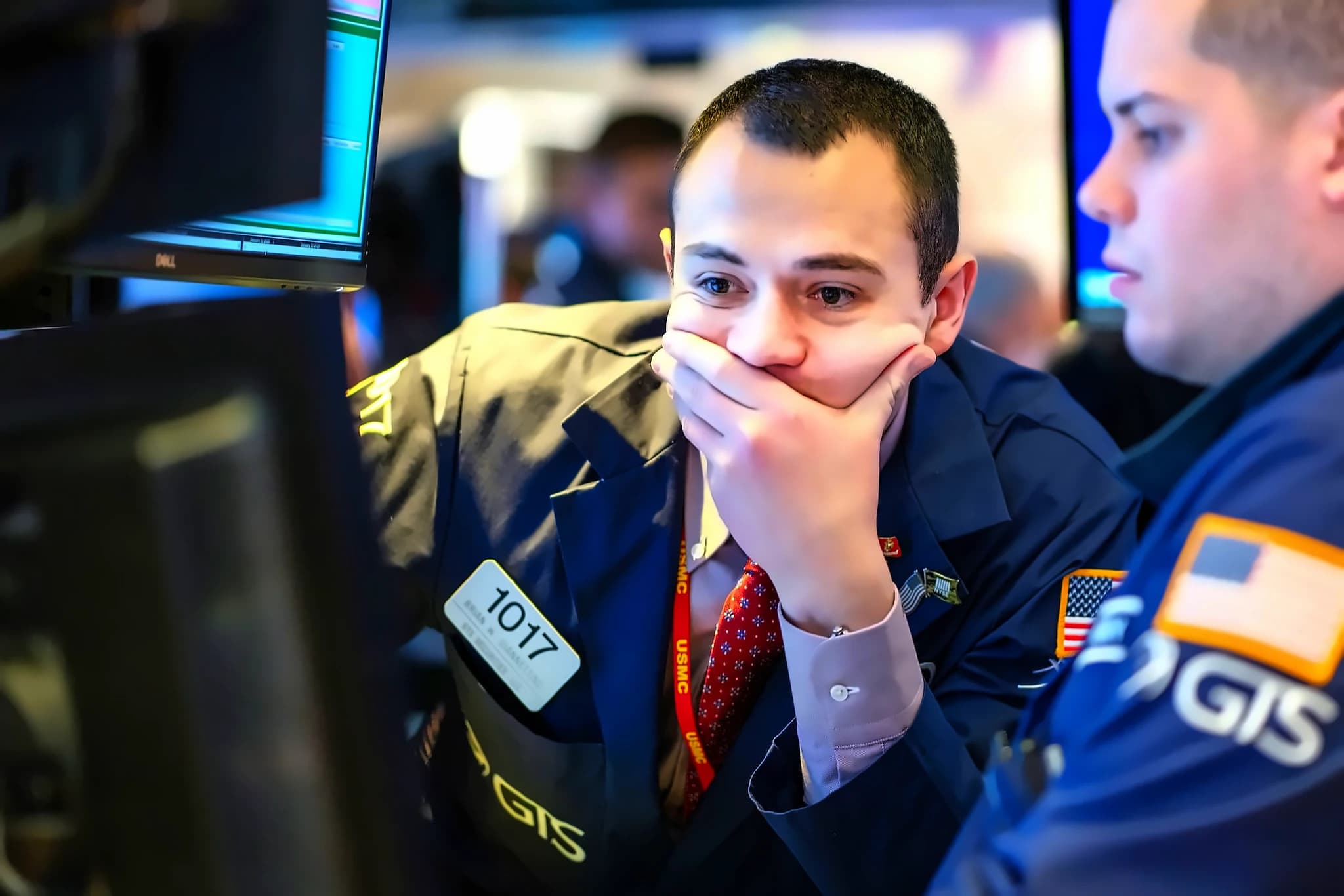
The University of Michigan's Consumer Sentiment Index plummeted to 44.8 in May 2026, marking the worst reading since the survey began in 1952. According to Investing.com India, this reading was lower than the 2008 financial crisis and the 1980 inflation panic, yet the S&P 500 continues to climb higher with Q1 corporate earnings posting 27% growth and weekly jobless claims near cycle lows. The disconnect between consumer sentiment and economic reality has sparked widespread concerns about survey accuracy, with critics questioning whether GDP statistics are completely broken and whether real data show a hidden recession. However, the analysis reveals that the consumer sentiment disconnect isn't a single story but three stories stacked on top of each other - partisan bias, methodology changes, and genuine economic concerns.
The partisan gap in consumer sentiment has expanded dramatically, with the Richmond Federal Reserve finding the gap between Democratic and Republican sentiment expanded from 21 points under George W. Bush to 45 points under Biden. As reported by Investing.com India, Republican sentiment surged from 67 to 93 in two months after Biden's inauguration, while Democrats collapsed from 78 to 56 over the same window. The University of Michigan switched from cellular phone surveys to online-only sampling in 2024, a change that independent research estimates lowered the sentiment index by about 8.9 points or more than 11%. Fundstrat's Tom Lee claims the new online survey produces a respondent breakdown of roughly 66% Democratic and 33% Republican, which would not be representative of the U.S. adult population. The Conference Board's Consumer Confidence Index sits at 92.8, well above the Michigan survey's 44.8, showing a different picture of consumer confidence.
Despite the dire Michigan sentiment readings, retail sales rose 0.5% in April and are running 4.9% above year-ago levels, while Q1 earnings delivered an 84% beat rate on the S&P 500, well above the 5-year average of 78%. According to Investing.com India, initial jobless claims came in at 209,000 for the week ending May 16 with unemployment at 4.3%, and the Atlanta Fed's GDPNow model is tracking 4.3% annualized growth for Q2 as of May 21. The analysis reveals that since 2022, the relationship between sentiment and GDP has broken in a way it never broke before, with GDP running between +2% and +3% year over year for three straight years while consumer sentiment has been below 70 the entire time. Gasoline prices surged 12.3% in April due to Iran conflict and supply disruptions, with roughly 30% of respondents mentioning tariffs as a concern in early May.
Despite the consumer sentiment disconnect, decades of Federal Reserve research suggest the link between consumer sentiment and real household spending has been modest historically. As per Investing.com India, Fed Chair Jerome Powell stated that the link between sentiment data and consumer spending has been weak, not a strong link at all. The analysis emphasizes that behavior beats feelings every time, suggesting investors should focus on actual consumer and business actions rather than survey sentiment. The composite sentiment index sits at 71 today, a full 47 points below the October 2018 cycle high of 118, yet the S&P 500 has more than doubled over that same stretch. The report concludes that when sentiment surveys aren't reliable inputs for portfolio decisions, what matters is behavioral data - focusing on gas prices, container shipping rates, retailer margin guidance, and consumer credit delinquencies rather than abstract sentiment indicators.