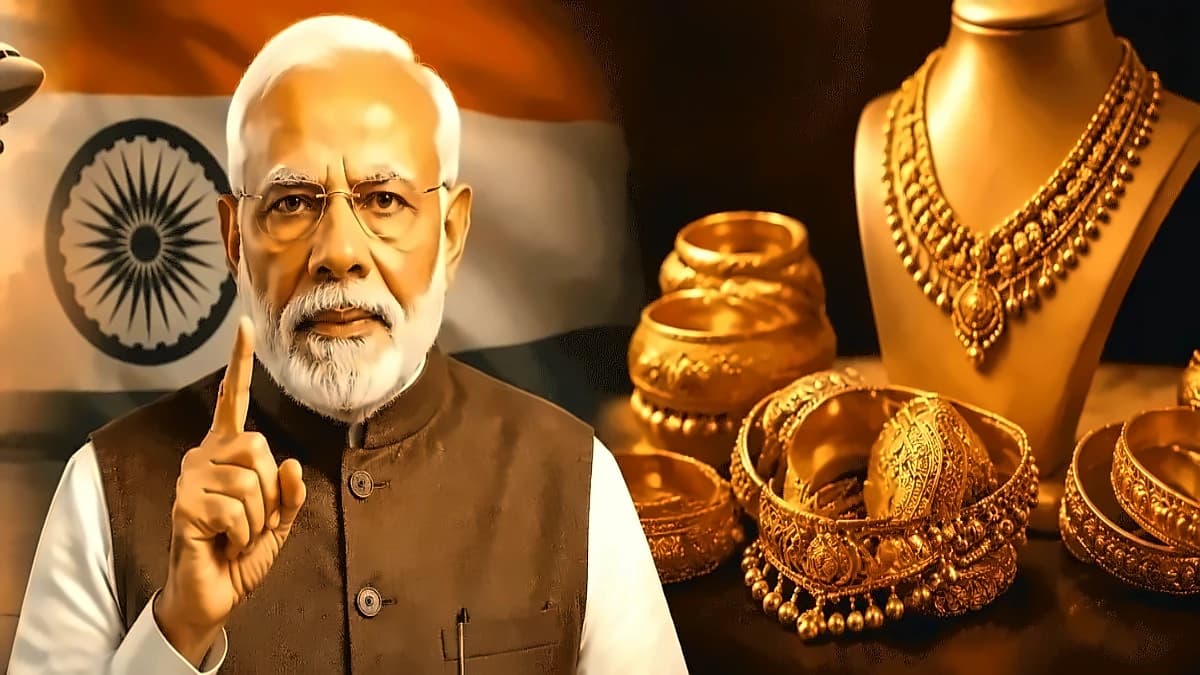
Kalyan Jewellers has experienced a massive 40% stock crash, wiping out ₹27,000 crore in market capitalization in just hours. According to StockMarketIndia, the stock has touched a fresh 52-week low following what appears to be an unstoppable retail giant hitting a major roadblock. The company's market capitalization has evaporated from ₹74,000 crore down to ₹47,000 crore, reflecting the severity of the policy shock affecting the jewelry sector.
The crash stems from what analysts are calling a triple-whammy policy shock affecting the jewelry industry. As reported by StockMarketIndia, the government has increased gold and silver import duties to 15%, which is squeezing margins for organized jewellers. Additionally, PM Modi's national appeal urging citizens to pause gold purchases for a year to curb the country's import bill has heavily impacted buying sentiment. The third factor includes MSCI's recent exclusion of the brand from the MSCI Standard Index, which has triggered massive institutional selling by global passive funds. Recent developments show India's jewelry industry is entering a major shift with rising gold prices, higher import duty, and global tensions forcing jewellers to adapt their sourcing, design, and selling strategies.
The jewelry sector is responding to the policy pressures through innovative adaptation strategies to maintain competitiveness. According to JK Diamonds Institute, the industry is fast-tracking adoption of gold recycling programs and exploring lab-grown diamonds as alternatives to traditional precious metals. These developments represent a fundamental shift in how jewelry companies are approaching sourcing and product development, with companies changing how jewellers source, design, and sell jewellery to navigate the challenging market conditions. The sector is also focusing on diamond and luxury industry insights as potential growth avenues while traditional gold-based jewelry faces margin pressure from import duties.
Gold prices have reached ₹14,385 per gram as reported by Goodreturns, creating additional pressure on jewelry-related investments. The precious metal's elevated pricing is contributing to investor concerns about the sustainability of jewelry demand and the sector's profitability outlook. Silver prices have also reached ₹2,80,000 per kg, adding to the overall volatility in precious metals markets, while the import duty hike is further impacting the cost structure of jewelry manufacturers. These elevated precious metal prices are compounding the impact of policy changes and creating significant challenges for the sector's traditional business models.
The market volatility is being influenced by crude oil prices reaching $109 per barrel and the strengthening US dollar at ₹96 per dollar. According to Goodreturns, these economic factors are creating additional pressure on precious metals markets and contributing to the overall uncertainty affecting jewelry-related investments. The government's concern extends beyond gold itself, as India imports most of its gold in dollars, meaning more gold imports equal more dollar outflow and more pressure on the rupee. This broader economic context explains why the current conversation encompasses forex, imports, inflation, and economic stability rather than just jewelry sector concerns, with the industry now facing a major shift that requires fundamental changes in sourcing and product strategies.