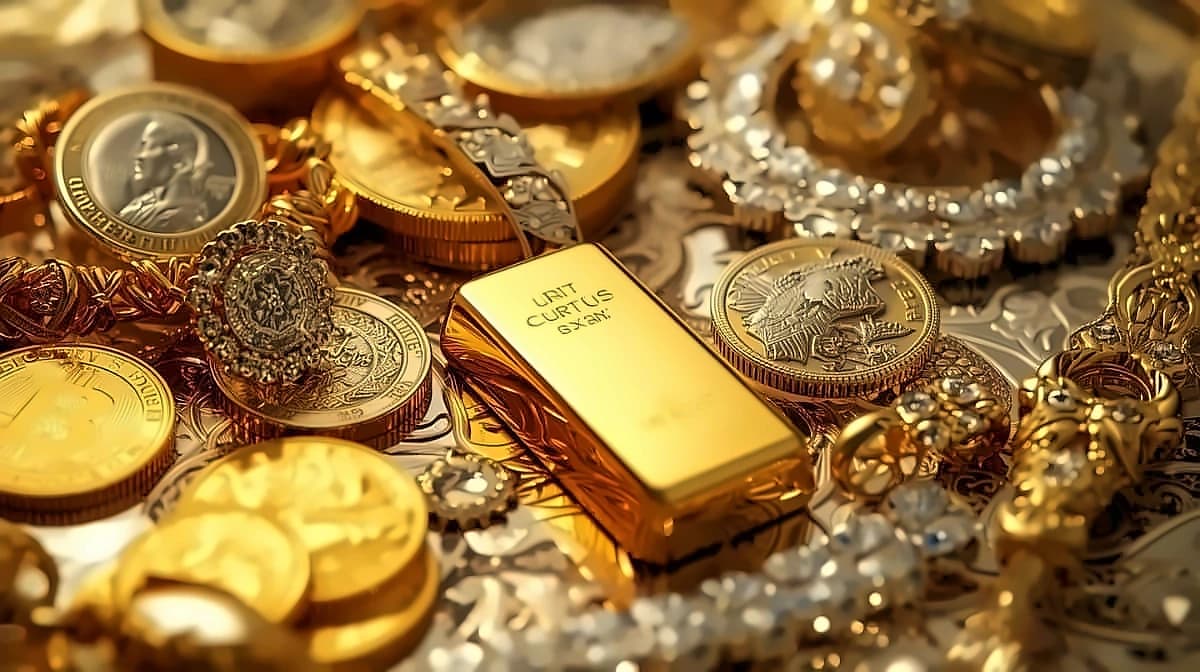
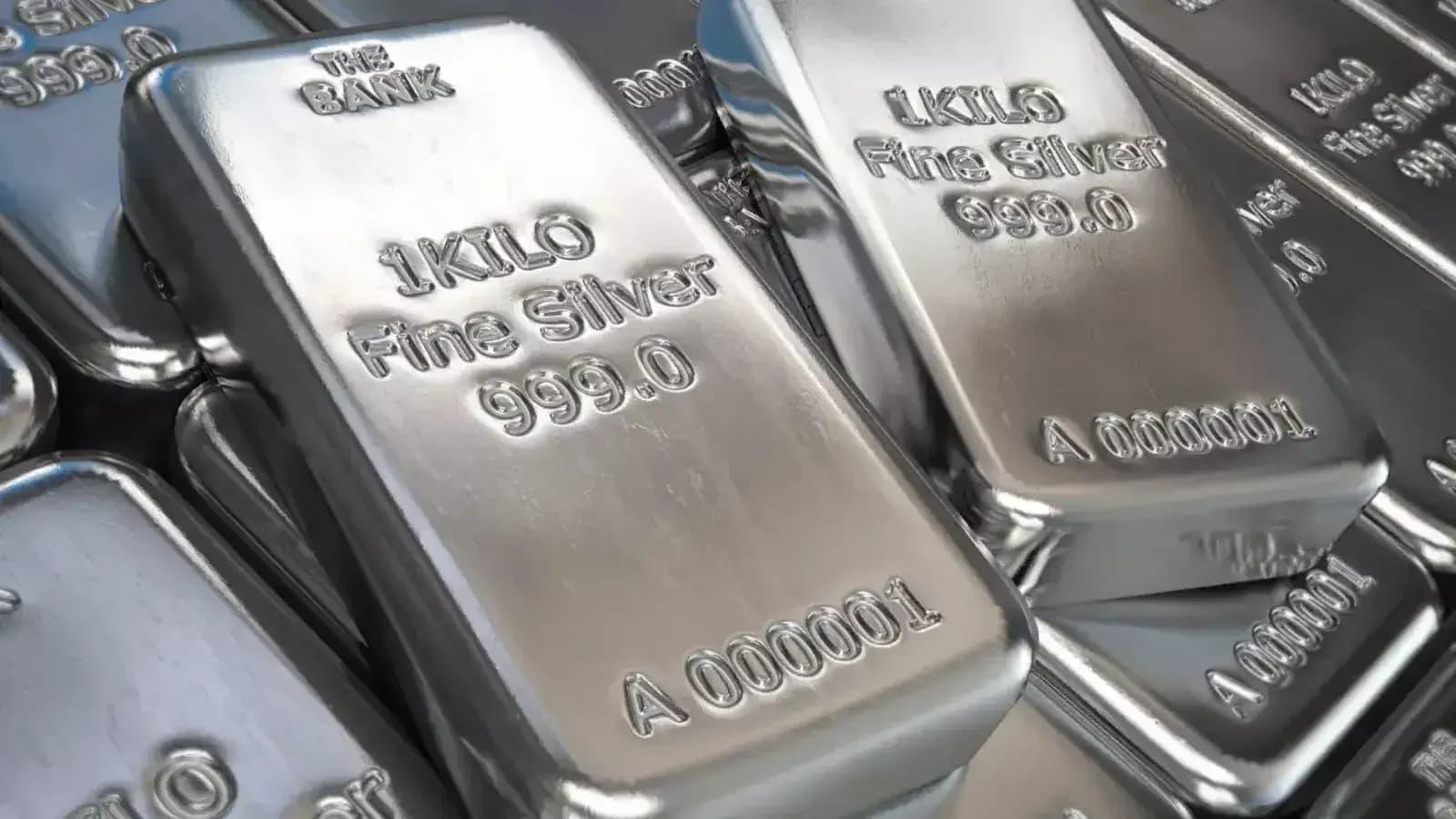
Gold and silver markets experienced a massive crash as nearly $400 billion was wiped out in just 2 hours, triggering panic across global investors. According to latest reports, MCX gold June futures fell 0.87% to ₹1,60,562 per 10 grams and MCX silver July futures crashed 3.28% to ₹2,81,551 per kg. The decline represents a significant drop from previous levels, with gold prices reaching their lowest point in more than a week. The correction was triggered by a sudden import tariff revision by the Indian government that increased the effective import duty on gold and silver from 6% to 15%. The revised structure includes 10% Basic Customs Duty and 5% Agriculture Infrastructure and Development Cess, which had earlier triggered an immediate 6% spike in local bullion prices. As per PTI, spot silver dropped below $79 per ounce, correcting nearly 22% from its earlier international high of $122 per ounce, with the Gold-Silver Ratio (GSR) crashing from 107 to below 55. The sharp fall has triggered intense discussions among investors, jewellers, traders and households tracking precious metals closely, with silver plunging by nearly ₹20,000 per kilogram while gold became around ₹3,000 cheaper per 10 grams.
In the retail market, 24-karat gold was priced at ₹1,57,900 per 10 gm, representing a ₹4,500 decline from the week's peak above ₹1,62,000. 22-karat gold stood at ₹1,44,740 per 10 gm. According to latest data, silver (999 fine) was priced at ₹2,89,900 per kg in Maharashtra (Mumbai/Pune), while Delhi NCR quoted silver at ₹2,99,900 per kg due to industrial demand and state-specific tax adjustments. Tamil Nadu cities like Chennai and Coimbatore also quoted silver at ₹2,99,900 per kg. As per PTI, silver (999 fine) was priced at ₹271,740 per kg according to Indian Bullion Association data. The latest rates show 24-karat gold ranging from ₹1,56,930 to ₹160,910 per 10 gm across major cities, with 22-karat gold priced between ₹143,850 to ₹147,500 per 10 gm. Near-term domestic support for gold sits around ₹1,55,000 per 10 grams, while ₹2,60,000 to ₹2,65,000 per kilogram is considered the major technical support zone for silver.
According to PTI, Saumil Gandhi, Senior Analyst (Commodities) at HDFC Securities, said that precious metals faced heavy selling pressure following a combination of domestic policy changes, rising US inflation concerns, a strengthening US dollar, and aggressive profit-booking activity. Jatin Trivedi, Research Analyst (Commodities & Currency) at LKP Securities, noted that gold prices remained under pressure as rising crude oil prices and a strengthening dollar index led to sharp declines. Gaurav Garg, Research Analyst at Lemon Markets Desk, attributed the fall to strong dollar and ongoing geopolitical tensions. As per PTI, investor sentiment was affected by a strong US dollar, high crude oil prices and diminishing expectations of interest rate cuts by the Federal Reserve. The government's decision on Thursday to impose a quantity limit of 100 kg on gold along with other restrictions also contributed to additional pressure on prices. Hotter-than-expected US CPI and PPI inflation data reduced expectations of interest rate cuts in 2026, with markets now anticipating a possible US Federal Reserve rate hike. Stalled US-Iran peace talks, closure of the Strait of Hormuz, and rising crude oil prices pushed WTI crude near $103 per barrel, causing liquidity to shift aggressively toward energy commodities instead of precious metals.
International spot gold slipped below $4,600 per ounce, while silver fell below $79 per ounce. The correction intensified because investors shifted liquidity toward oil and energy markets amid geopolitical uncertainty. According to PTI, analysts say a stronger dollar and higher US bond yields encouraged investors to move away from bullion and toward safer dollar-based assets. Despite current volatility, several international institutional groups reportedly maintain a long-term bullish outlook for gold, with long-term global targets projected near $4,900 to $5,000 per ounce by late 2026. The coming sessions may prove crucial for determining whether precious metals stabilize or deeper liquidation pressure continues across global and domestic bullion markets. Silver demand from electric vehicles (EVs) and solar electronics industries had earlier fueled the sharp rally, but the metal has now entered a strong correction phase after becoming heavily overbought during the rally. Brent crude oil is trading above $106 per barrel, showing sustained global supply pressure with weekly gains around 6%+ driven by geopolitical tensions and supply disruptions.