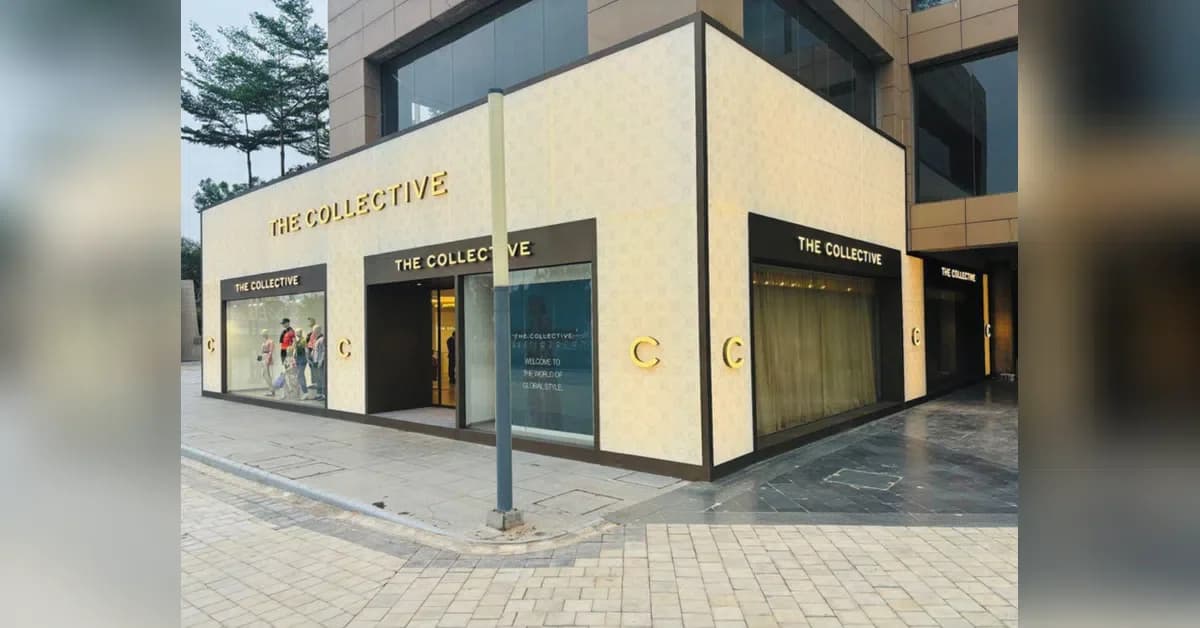
India's consumption landscape is reshaping the Real Estate Investment Trust (REIT) market beyond traditional office assets. For years, India's REIT story has been closely associated with offices, but the rise of organised retail, premium consumption and experience-led shopping is opening new avenues for the listed real-estate market. According to CBRE India's India Retail Market Outlook 2026, organised retail is expected to expand through a pipeline of investment-grade malls, while high streets are evolving into sophisticated destinations for global and domestic brands. The shopping centre of the future is increasingly becoming a destination rather than simply a collection of stores, with consumers arriving for food, entertainment, social experiences, wellness and spending time beyond traditional shopping.
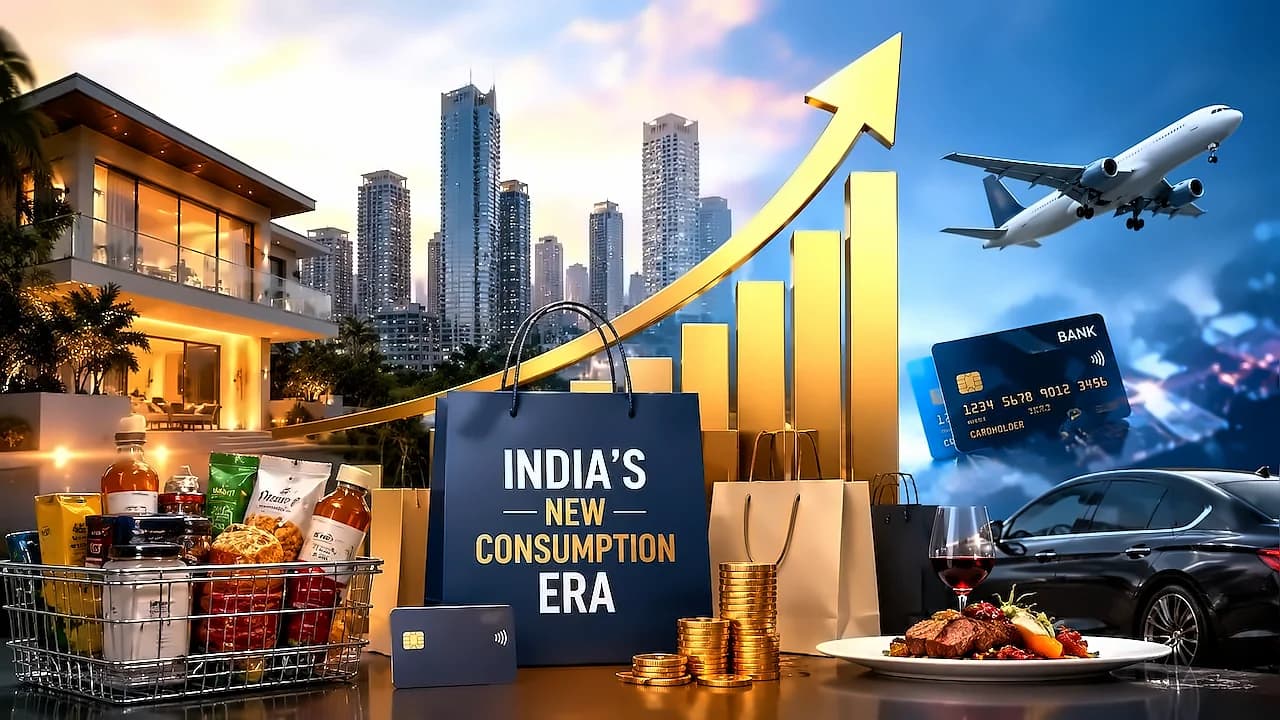
India's consumption landscape is undergoing a fundamental shift from volume-driven growth to value-focused premiumisation. According to the latest FICCI-Deloitte report, India's private consumption is projected to approach USD 1.9 trillion by 2030, driven by rising incomes, deeper internet penetration and one of the world's largest digital payment ecosystems. This transformation is creating new investment opportunities across food, financial services, luxury, real estate and other discretionary categories, as companies with strong brands, distribution and exposure to affluent consumers gain larger market opportunities. The projection comes from a recent FICCI-Deloitte report, but the more consequential shift is happening inside consumer companies, with product portfolios, distribution networks, and brand strategies being rebuilt around an Indian consumer who no longer behaves as they did a couple of years ago.
The premiumisation trend is particularly evident in the FMCG sector, where premium brands are demonstrating exceptional performance. As reported by NDTV Profit, premium FMCG brands are growing at nearly twice the pace of mass-market brands and now account for 27% of FMCG sales while contributing 42% of the sector's value growth. According to NielsenIQ data cited in the report, this shift reflects consumers moving towards higher-priced products and experiences across food, personal care, and beauty categories. The FICCI-Deloitte report projects India's FMCG market to grow from about USD 289 billion in 2025 to nearly USD 643 billion by 2030, but capturing that growth will require companies to make targeted strategic bets. Pramod Pawar, National Head - Quantitative Research at Hansa Research Group, frames the shift as a redefinition of what value itself means to Indian consumers, stating that "Consumers will continue to be price-conscious, but value will increasingly mean quality, durability, performance and experience, not simply the lowest price."
The economics of retail REITs depend on more than just rent, making them fundamentally different from office REITs. According to CBRE's research, a successful retail property creates an ecosystem where strong brands attract consumers, consumers attract more brands, and the resulting demand strengthens the underlying asset. A well-located property with the right tenant mix can become an extension of a brand's identity rather than merely a place to sell products. The retail landscape is evolving with growing importance of experiential flagship stores, Gen Z-focused formats and direct-to-consumer brands moving from digital-first businesses into physical locations. However, this also means retail REIT exposure carries different risks, as fashionable retail destinations can lose relevance if their catchment changes, tenant mix weakens or consumers migrate elsewhere. The rise of e-commerce has raised the bar for physical stores, making the strongest properties those that give consumers a reason to leave the screen and visit in person.
The premiumisation trend is particularly visible in apparel and luxury real estate segments. According to Deloitte India's 2026 report on Indian fashion, premium apparel is projected to grow at more than 45% CAGR, significantly outpacing the overall retail sector's expected growth of roughly 10%. The mid-premium segment priced between ₹3,500 and ₹7,000 is growing at close to 25%, while branded apparel is forecast to account for more than half of total apparel spending by 2030. In real estate, Knight Frank data shows that homes priced above ₹1 crore accounted for 54% of sales across India's eight major cities in the first half of 2026, with homes priced at ₹1 crore and above accounting for 71% of total sales in the first quarter of 2026.