Organised retail in India is rethinking its blueprint for physical stores as rentals continue to rise, alongside evolving consumer behaviour and rapid expansion into Tier-II and Tier-III cities. According to real estate consultancy CBRE, brands are investing in 'fewer, larger, and more immersive formats' inside premium malls while simultaneously adopting flexible formats in emerging markets. As reported by CBRE, over the next three years, over 50-55 per cent of the mall supply pipeline is likely to comprise destination assets exceeding 800,000 square feet, indicating a clear statement of intent from leading developers.
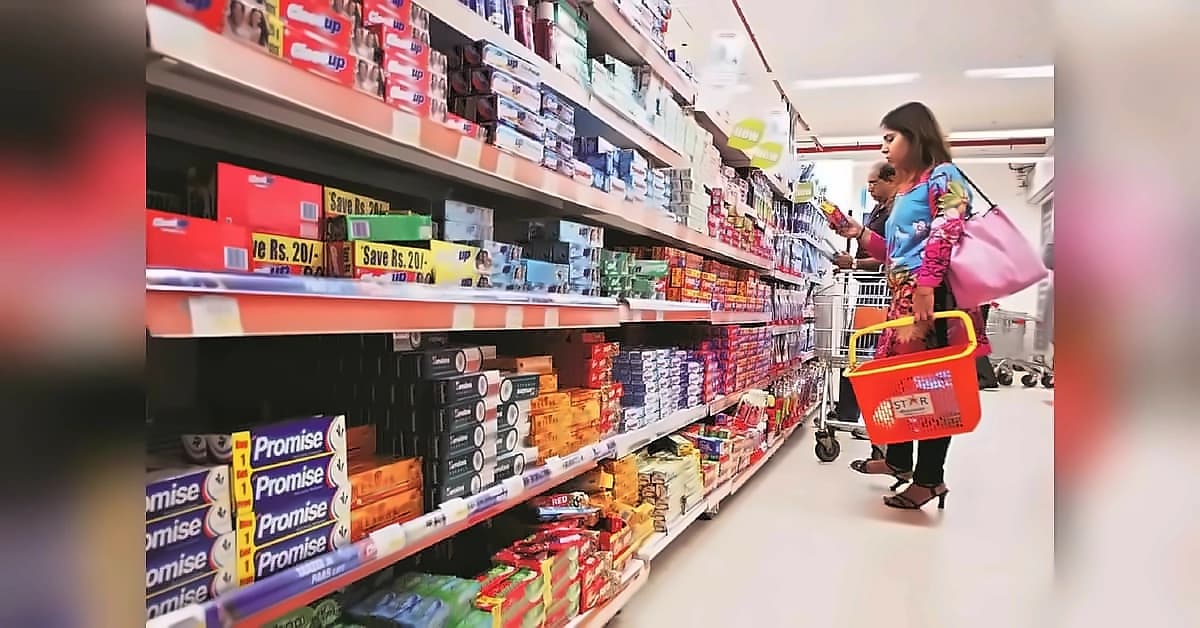
Retailers are increasingly shifting to 'rightsized' formats that are smaller than large flagship stores but redesigned to deliver higher productivity, better product curation, and stronger customer engagement. According to consultancy firm Anarock Group, retail stores in non-metro and Tier-I cities have historically been 20-30 per cent smaller than those in metros due to lower rentals and cautious expansion strategies. As reported by Anarock, brands are moving away from expansive flagships to compact formats ranging between 800 and 2,500 square feet, with global furniture retailer Ikea experimenting with smaller neighbourhood-store formats. Recent developments show retailers like Ollie's implementing living room furniture assortments in 50% of stores, with management planning to continue scaling based on early outperformance and learning-driven tweaks.
India's retail real estate market is experiencing its strongest growth phase in years, with the sector clocking record leasing of around 8.9 million square feet in 2025. According to Anarock, over 16.6 million square feet of new Grade-A mall supply will be added across the top seven cities during 2025-26. High streets are gaining prominence, accounting for 48 per cent of overall retail leasing activity in 2025, driven by strong demand and limited Grade-A mall supply in several emerging cities. As reported by CBRE, high streets accounted for 39-45 per cent of total leasing over the past two years, evolving from convenience-driven shopping zones into 24x7 brand billboards.
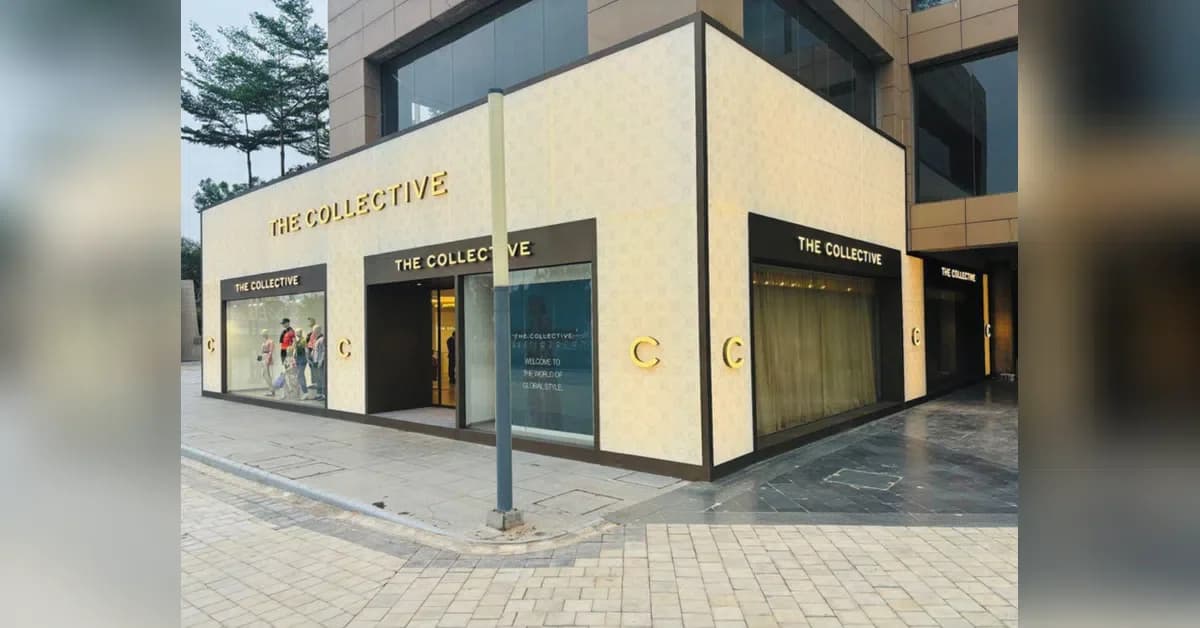
Premium retailers are tailoring store formats according to consumer needs and infrastructure readiness in emerging markets. Aditya Birla Fashion and Retail (ABFRL), which operates premium formats including The Collective and houses international brands like Ralph Lauren and Michael Kors, said Tier-II and Tier-III cities are no longer peripheral to growth plans. According to ABFRL's Pranchal Srivastava, the company is designing stores based on consumer profiles rather than standard templates, with metro stores optimised for experience density and smaller city formats curated for local demand.
The shift reflects changing consumer aspirations across emerging cities, with retailers focusing on deeper penetration rather than aggressive expansion. Bata India reported that its average store size has remained stable at 1,500 to 1,800 square feet over the past 24 months, with revamped stores showing improvements in engagement, conversion rates, and footfall. As reported by CBRE, private consumption expenditure touched 61.5 per cent of gross domestic product in 2025-26, while direct-to-consumer brands accounted for around 27 per cent of total retail leasing in 2025. Cities such as Chandigarh, Kochi, Surat, and Visakhapatnam are seeing rentals nearing Tier-I levels due to high demand and constrained supply. Recent market data shows trade-down from higher-income shoppers accelerating, with cohort mix shifts as fixed-income customer engagement declined, while retailers continue to focus on value proposition and exceptional deals to strengthen their position in the current consumer climate.