Oil prices climbed more than 1% on Friday, with Brent crude futures rising $1.66, or 1.6%, to $104.24 a barrel by 4:05 AM GMT, while US West Texas Intermediate (WTI) futures gained $1.11, or 1.2%, to $97.46. However, both benchmarks remained on track for significant weekly losses, with Brent crude down 4.6% for the week and WTI declining 7.6% as investors continued to doubt the prospects of a breakthrough in US-Iran peace negotiations. According to reports from The Times of India, both benchmarks had dropped more than 5.6% on Wednesday to their lowest levels in over a week after President Donald Trump said discussions with Iran were in the "final stages," although he simultaneously warned of further military action if Tehran failed to agree to a peace settlement.
A senior Iranian source cited by Reuters said that no agreement had yet been reached between Tehran and Washington, although "the gaps have narrowed" during negotiations. Meanwhile, US secretary of state Marco Rubio said there had been "some good signs" during negotiations but stressed that any toll system in the Strait of Hormuz would be "unacceptable," as reported by The Times of India. Market participants remain worried that instability in the Middle East could continue to disrupt global oil supplies, with analysts expecting Middle East instability and supply disruptions linked to the Strait of Hormuz to persist. The uncertainty surrounding the negotiations continued to fuel concerns over potential disruptions to global oil supplies, with investor attention remaining focused on diplomatic discussions between the United States and Iran. As per ING analysts, "The oil market remains overly sensitive to Iran-related headlines, with participants continuing to pin considerable hope on reports that talks between the U.S. and Iran are progressing."
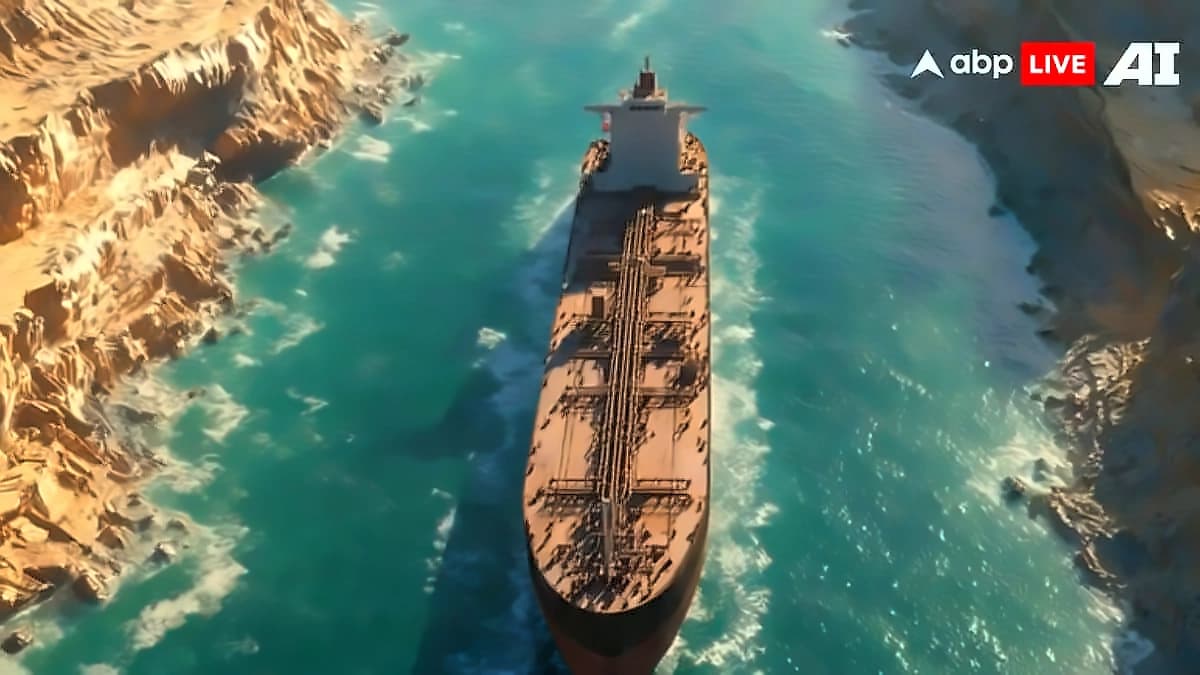
Nearly 20% of global energy supplies passed through the Strait of Hormuz before the conflict disrupted flows, according to The Times of India. Around 14 million barrels per day of oil, equal to roughly 14% of global supply, remain affected, including exports from Saudi Arabia, Iraq, the United Arab Emirates and Kuwait. Iran effectively shut the waterway following the U.S. and Israeli strikes that triggered the conflict on February 28, and although most fighting has subsided since a ceasefire agreement reached in April, Iran continues to restrict shipping traffic through Hormuz while the United States maintains a blockade along Iran's coastline. On Wednesday, Tehran unveiled a new "Persian Gulf Strait Authority," stating that a "controlled maritime zone" would be implemented within the Strait of Hormuz. The head of UAE state oil company ADNOC reportedly said full oil flows through the Strait may not return before the first or second quarter of 2027, even if the conflict were to end immediately.
Disruptions to supply from the key Middle Eastern oil-producing region have forced countries to draw heavily from both commercial and strategic petroleum reserves, increasing concerns over rapidly declining stockpiles. The U.S. Energy Information Administration reported on Wednesday that the United States withdrew nearly 10 million barrels of crude oil from its Strategic Petroleum Reserve last week, marking the largest weekly drawdown ever recorded. Additional support for oil prices came from EIA data showing a larger-than-expected decline in U.S. crude inventories last week, highlighting the impact of ongoing supply disruptions. Commodity analysts indicated that crude oil prices are likely to remain volatile in the near term as geopolitical uncertainty continues to dominate market sentiment, with WTI crude expected to remain within the $90 to $110 per barrel range over the coming weeks.
Meanwhile, four sources cited by Reuters claimed that seven major OPEC+ oil-producing nations are expected to agree to a modest increase in July oil output during their June 7 meeting, as reported by The Times of India. However, supply deliveries from several producers continue to face disruptions linked to the Iran conflict, keeping global energy markets on edge over inflation and economic growth concerns. Despite expectations of higher production, supply delivery from several producers continues to remain affected due to the ongoing Iran conflict, even as investors monitor the upcoming OPEC+ meeting scheduled for June 7. BMI, a unit of Fitch Solutions, raised its average 2026 dated Brent price forecast to $90 from $81.50 to reflect the supply deficit, time required to repair damaged Middle East energy infrastructure and the six-to-eight week post-conflict normalisation window. As per Satoru Yoshida, a commodity analyst with Rakuten Securities, "WTI is likely to remain in a US$90 to US$110 range next week, as it has largely done since late March."