US and Iranian negotiators have reached a tentative agreement to extend the ceasefire by 60 days and launch talks on Iran's nuclear program, according to a US official familiar with the matter. As reported by Axios, the emerging memorandum of understanding came as the fragile ceasefire appeared to be wavering, with the latest flare-up happening less than a day earlier when Kuwait intercepted missiles fired from Iran. The official noted that President Donald Trump has yet to sign off on the agreement, with a second US official stressing that until Trump signs off, there is no deal. The memorandum makes clear that Iran will not be able to impose tolls on the Strait of Hormuz and must remove all mines from the vital waterway within 30 days, while the US would gradually lift its naval blockade on the strait.
US stocks advanced on Thursday and European shares pared their losses following reports that the United States and Iran have reached an agreement to extend the ceasefire and launch negotiations, according to Reuters. The S&P 500 and the Nasdaq registered their third consecutive sessions of record closing highs, while European shares, though off session lows, closed lower on the day. A raft of economic data showed first-quarter U.S. GDP grew at a more sluggish pace than originally reported, the saving rate sank to its lowest level since June 2022, inflation continued to heat up, and new orders for core-capital goods - a barometer for corporate spending plans - unexpectedly dropped. Bill Merz, head of Capital Market Research at U.S. Bank Wealth Management, noted that "in spite of all the negative news and uncertainty around the Middle East, we're seeing this intersection of fundamentals and market signals really sending a consistent message that growth is strong, growth-oriented assets continue to perform, and we're at all-time highs."
Among the first issues to be negotiated during the 60-day ceasefire is what will happen to Iran's highly enriched uranium stockpile, which represents a critical component of the nuclear talks. According to the International Atomic Energy Agency, Iran has 440.9 kilograms (972 pounds) of uranium that is enriched up to 60% purity, a short technical step from weapons-grade levels of 90%. Iran has not publicly committed to giving up the stockpile, which is believed to be buried under a trio of nuclear sites that were badly damaged by US airstrikes last year. Nuclear analysts have said that Iran might consider China or Russia, which have close relations with Tehran, to be a potential acceptable third party to take possession of the enriched uranium as part of a potential deal. However, Trump said Wednesday that he "wouldn't be comfortable" with such a plan, creating additional complications for the negotiations.
The latest developments unfolded after US officials said late Wednesday that American forces launched more strikes on Iran, shooting down four one-way attack drones that posed a threat around the strait and hitting an Iranian ground-control station in Bandar Abbas. According to US Central Command, the exchange unfolded after U.S. officials said late Wednesday in Washington that American forces launched more strikes on Iran, shooting down four one-way attack drones that posed a threat around the strait and hitting an Iranian ground-control station in Bandar Abbas that was about to launch a fifth drone. Iran's paramilitary Revolutionary Guard acknowledged the attack around Bandar Abbas International Airport, stating via the state-run IRNA news agency that it launched a retaliatory attack on the air base. Kuwait's military announced that its air-defense systems intercepted incoming missiles and drones on Thursday, without detailing what had been targeted, with the Kuwaiti Foreign Ministry condemning Iran for what it called "blatant aggression."
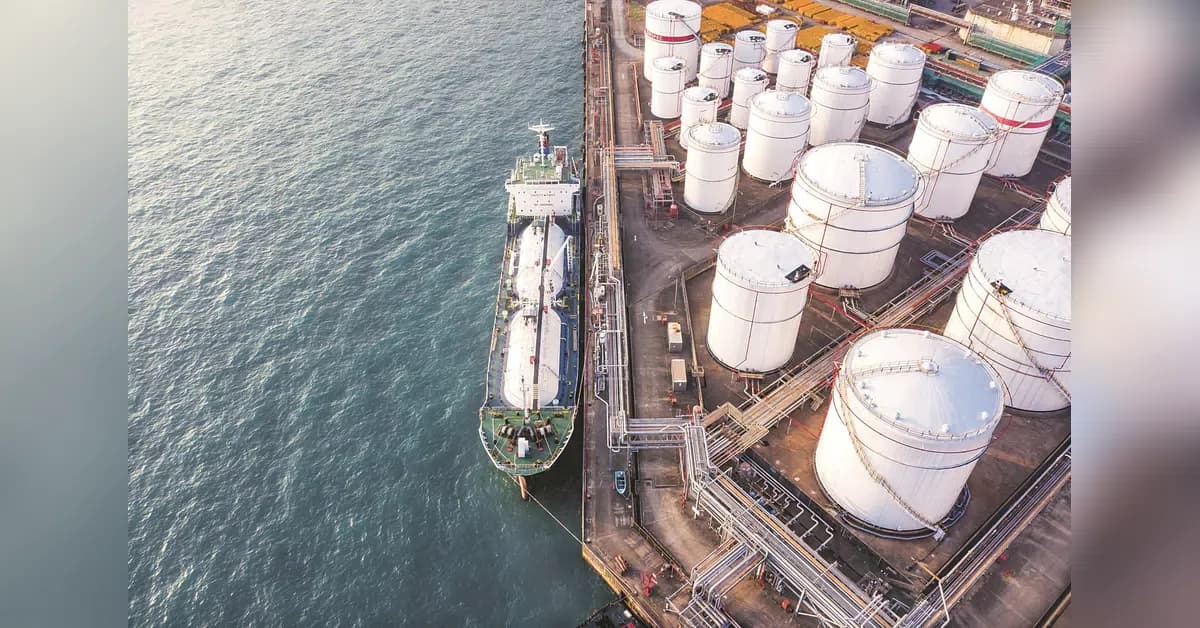
The agreement includes significant provisions for the Strait of Hormuz, the conduit for about a fifth of all traded oil and natural gas before the war, with the US agreeing to gradually lift its naval blockade on the strait. The US would also agree to relax sanctions, allowing Iran to sell more of its oil, providing crucial relief for the country's economy. However, the US would still maintain its naval presence in the region to ensure freedom of navigation. The State Department and the Treasury Department both announced new sanctions on Iran's oil trade today despite ongoing negotiations to reach a deal to end the conflict. The State Department sanctioned numerous entities, individuals, and vessels that form the backbone of Iran's illicit oil economy, directly targeting the financial lifelines of the Islamic Revolutionary Guard Corps (IRGC) and Iran's military apparatus. In global markets, oil prices fell by about 1% as traders waited for details on a potential deal to reopen the Strait of Hormuz and extend the U.S.-Iran ceasefire, with sources telling Reuters that the US and Iran have reached an agreement to extend their ceasefire and lift restrictions on shipping, though Trump has yet to approve it.