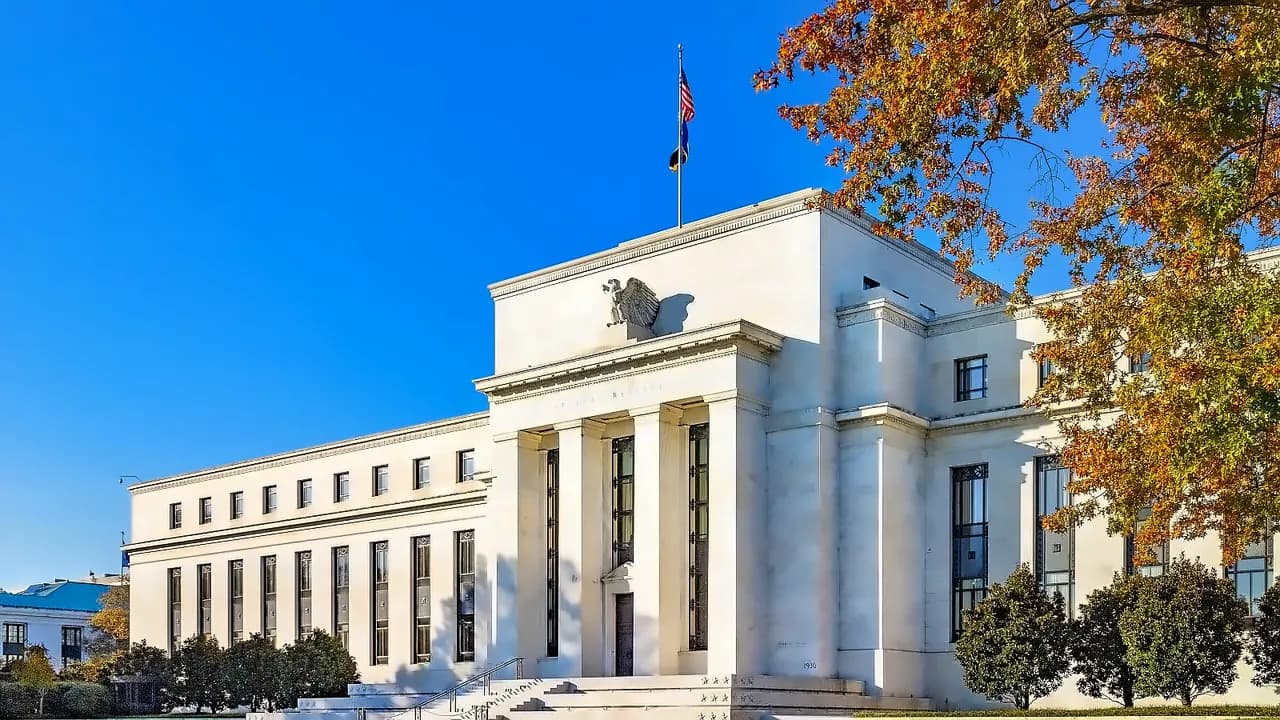
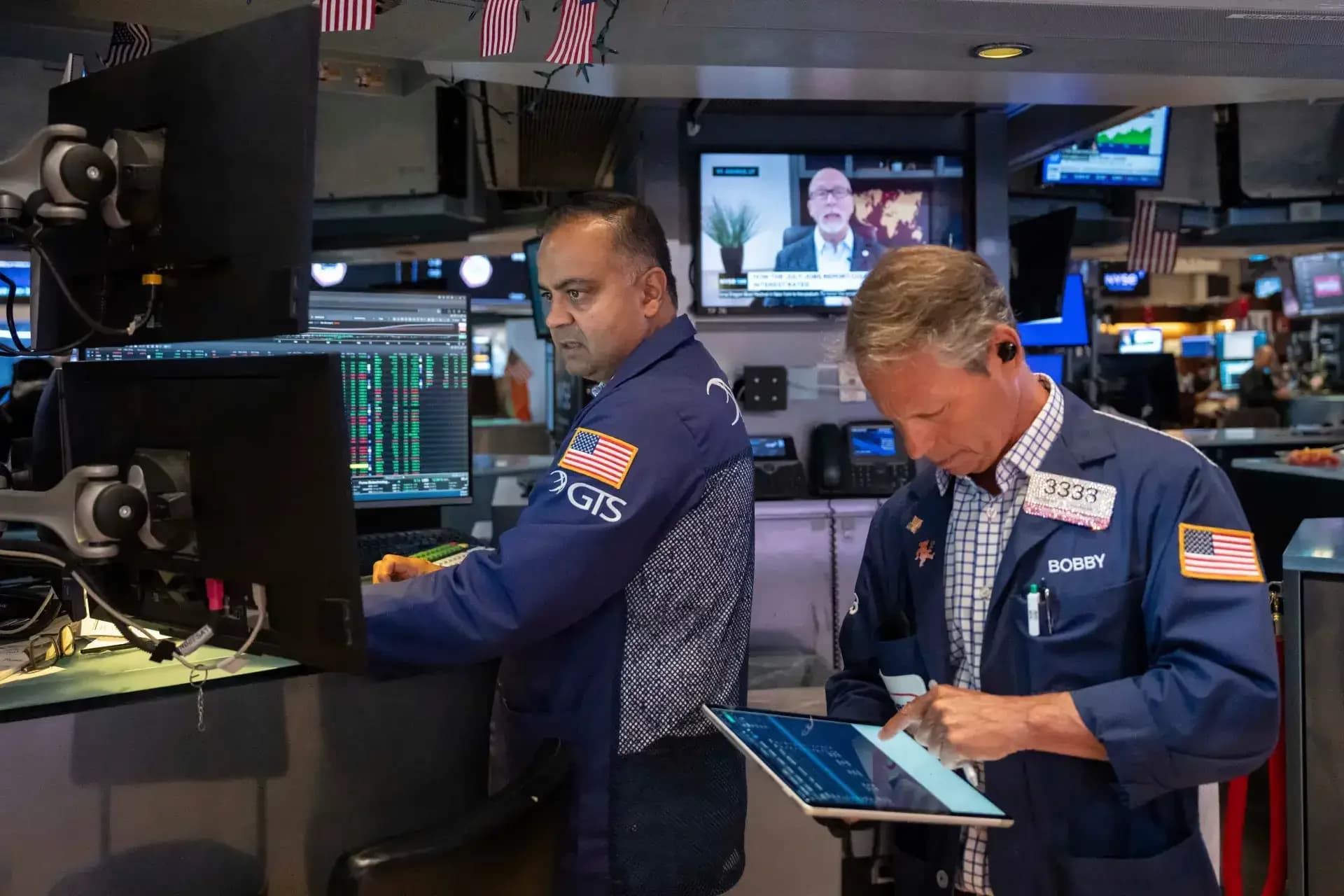
According to The Economic Times, Aswath Damodaran, known as the 'Dean of Valuation,' has called the Federal Reserve's interest-rate debate pointless, stating that corporate earnings and fundamentals will ultimately drive US stocks. As reported by The Economic Times, Damodaran noted that "the secret to equity resilience in the face of higher oil prices, interest rates and political turmoil has been in equity earnings, which have surged over the course of 2026." He emphasized that "history has shown that businesses find ways to deliver higher earnings in the face of higher rates, and markets price in these earnings to deliver solid returns, thus adapting quickly." The latest data shows 10-year US Treasury yields surged to 4.97%, the highest level since late 2023, with 30-year Treasury notes hitting 5.38%, the highest since 2007. However, Damodaran's analysis suggests that "with the S&P 500 went down almost half a percent on days when the 10-year rate increased by more than 3 basis points and up about half a percent on days when the rate decreased by more than 3 basis points."
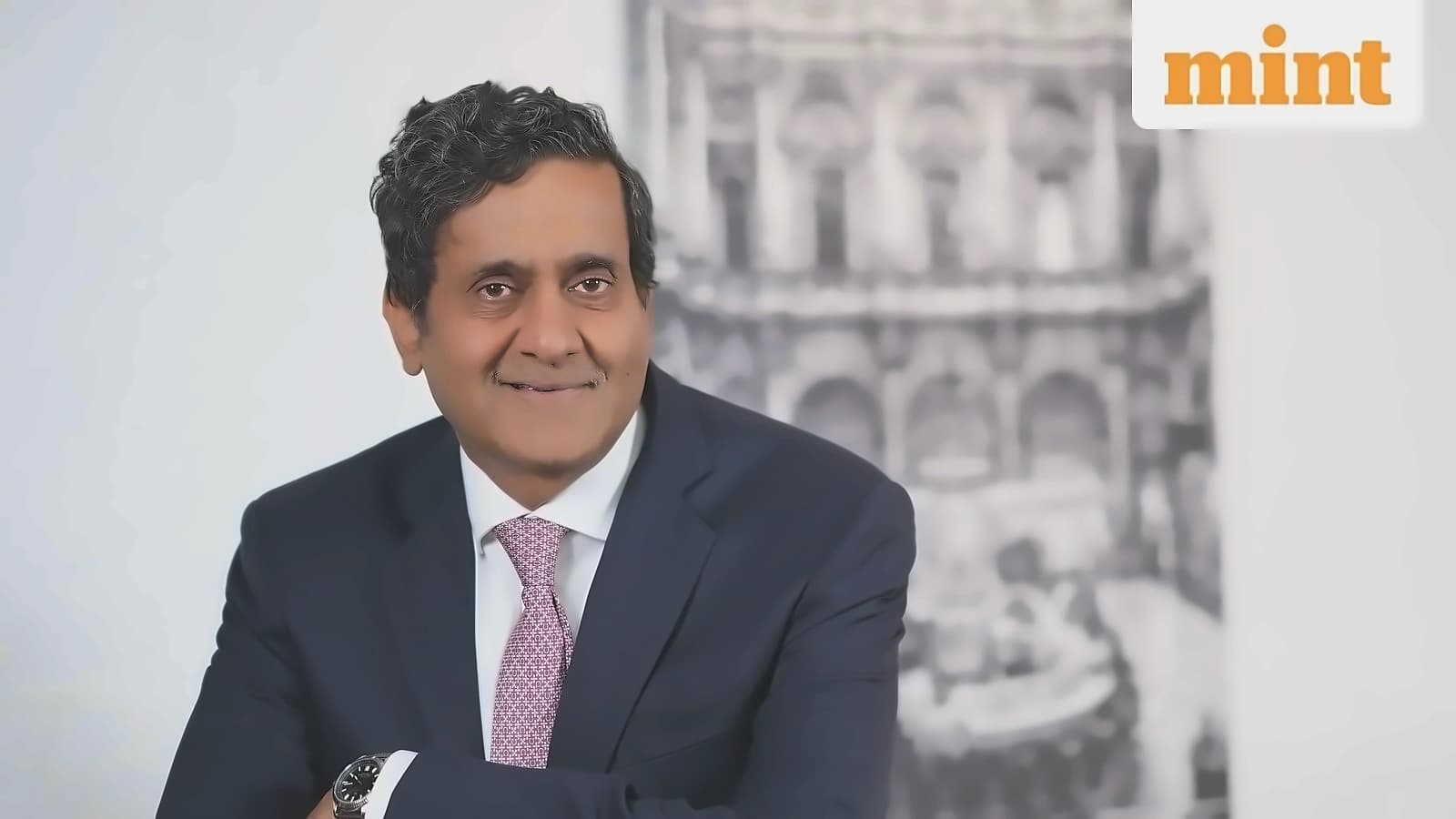
According to CNBC TV18, Arvind Sanger, Managing Partner of Geosphere Capital Management, expects the US Federal Reserve to likely raise rates by 25 basis points in their upcoming meeting. However, Sanger believes a single rate hike is unlikely to derail markets if earnings growth remains strong. As reported by CNBC TV18, Sanger stated that "one Fed rate increase is not going to kill this market" if earnings growth continues to be driven by AI capex and other factors. The market will experience a short-term adjustment but the earnings growth story is expected to remain intact. Sanger noted that "we have inflation fears. I think the employment side was slightly helpful in terms of creating more confidence that maybe the Fed can raise rates. But the important number is the Consumer Price Index (CPI) number coming out this Friday, September 11. And I think, right now, it's slightly better than 50% odds that the Fed will raise rates in a couple of weeks' times when they have their next Fed meeting in a week and a half."
As reported by CNBC TV18, Sanger highlighted the AI boom and attendant spillover effects as the primary growth driver in the US market. Companies providing memory, chips, and engineering construction are experiencing strong capital expenditure, with fast adoption rates reported from companies like Anthropic and OpenAI. Sanger noted that "the capex is so strong by these companies, and the revenue offtake is that there's fast adoption" creating a virtuous cycle. However, he expressed concerns about potential slowdown in AI spending, which could cause a major correction in the market if it occurs in 2027. Sanger stated that "I still am a little nervous that the magnitude of spending could slow down at some point. I don't think it's imminent, but it could slow down in 2027. And will that cause more of a disruption to the market? I think that's a bigger question mark when that happens. I don't think it's imminent, but if that happens in the future, that could cause a major correction in the market."
According to CNBC TV18, Sanger identified political backlash against AI data centers as a significant risk factor for US growth. He warned that "if the Democrats get a big swing in their favour in the midterms, will that stymie AI data center build-out?" This represents one of the biggest risks to the US growth story. Additionally, the ongoing Iran war situation remains a wildcard that could cause inflationary pressures and disrupt global growth benchmarks. Sanger noted that "the reality is that with oil continuing to rise, the inflationary pressures are rising. Therefore, it's very much risk-off a little bit on concerns that the Fed would raise rates. But the reality is, if earnings growth remains fine, one Fed rate increase is not going to kill this market."
As reported by CNBC TV18, Sanger sees opportunities broadening beyond the Nifty in Indian markets, with midcaps and smallcaps showing stronger earnings growth. He favours manufacturing companies with export exposure, domestic healthcare companies, select NBFCs and banks, while also monitoring Indian IT companies that could benefit from AI implementation. According to CNBC TV18, BSE 500 is trading at a significant premium to Nifty, with midcaps and smallcaps showing better earnings growth and higher multiples. Sanger noted that "the midcaps and the small caps are now trading at much higher multiples and are showing better earnings growth. So, I think in a sense, maybe the Nifty is the laggard, and maybe for good reason because the earnings growth is not as dramatic. But what we are seeing is a broadening out of this midcap and smallcap rally and of the earnings growth. And therefore, maybe Nifty being flat is not as important as what is going on at the small and midcaps." He emphasized that "we're finding in manufacturing industry, especially with an export orientation with a benefit of what's going on from a global data center build-out, that would be a niche that we like. Another niche that we like is domestic healthcare-facing companies, whether it is domestic pharmaceuticals or domestic companies in the kind of drug retail outlets."