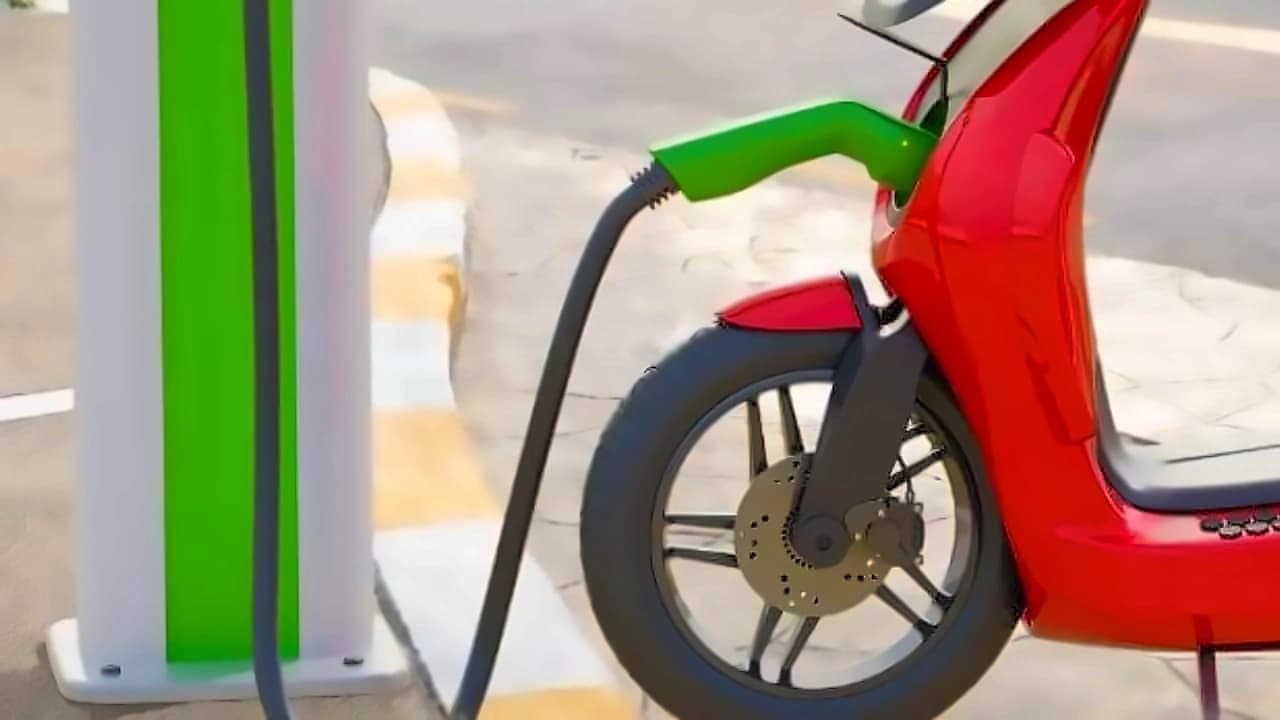
India's electric vehicle market has achieved a record-breaking milestone with EV retail sales surging 52.9% year-on-year to 2,98,448 units in August 2026, according to the Federation of Automobile Dealers Associations (FADA). This represents an all-time high for August sales and demonstrates the accelerating adoption of electric mobility across all vehicle segments. Overall EV penetration increased significantly to 12.3% from 9.5% a year earlier, as reported by Zee News. All four EV segments - two-wheelers, three-wheelers, passenger vehicles and commercial vehicles - recorded their highest-ever August retail sales, marking a decisive shift in consumer preference toward electric vehicles.
The electric two-wheeler segment led growth with retail sales increasing 67.05% year-on-year to 1,83,204 units in August, as reported by Zee News. Electric three-wheelers also showed strong performance with sales rising 25.28% year-on-year to 79,846 units. The electric commercial vehicle segment emerged as the fastest-growing category with retail sales nearly tripling year-on-year to 4,702 units from 1,631 units in August 2025. Electric passenger vehicle sales also demonstrated robust growth, increasing 51.89% year-on-year to 30,696 units. This comprehensive growth across all segments indicates broad-based consumer acceptance of electric mobility solutions.
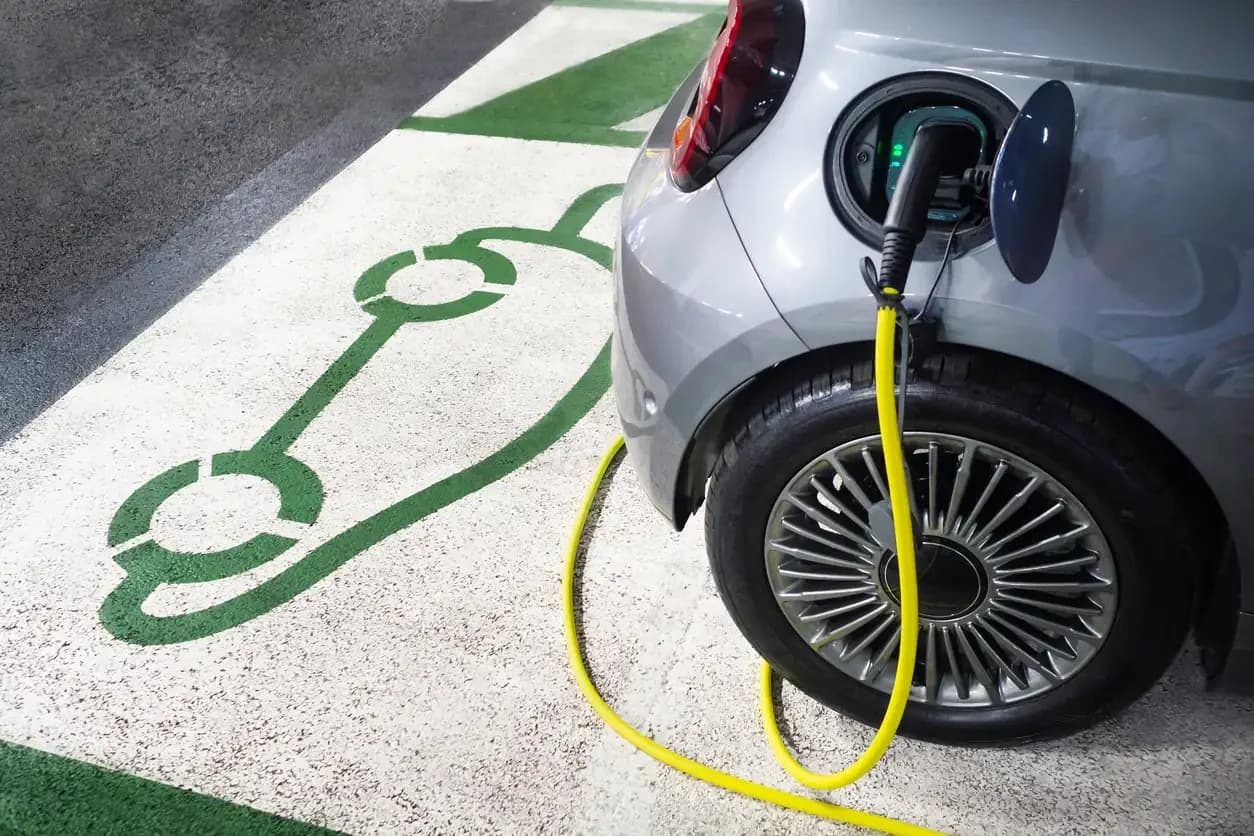
According to The Economic Times, investors in the auto sector transitioning to EV age are focusing on obvious brand names rather than the underlying business ecosystem. The report emphasizes that behind every EV is a long, hidden chain of businesses, suggesting that chasing obvious names means betting on just one stock. The analysis suggests there is a better approach to capturing the EV theme's potential, particularly as rising sales are boosting confidence in the electric mobility ecosystem and strengthening the long-term case for electrification in India, as highlighted in the latest HSBC Global Investment Research report.
According to the latest data from Bloomberg New Energy Finance and ICRA Research, lithium-ion battery costs have plummeted by more than 80% over the past decade, decreasing from $780/kWh in 2013 to an estimated $133/kWh by 2024. This remarkable cost reduction, led predominantly by China's dominant role in battery manufacturing and supply chain optimization, has been a critical factor in the rapid global adoption of renewable energy sources and electric vehicles. The LIB price of $100/kWh is widely considered to be the sweet spot when EVs reach cost-parity with ICE vehicles.
HSBC Global Investment Research reports that EV adoption has gathered momentum in recent months, supported initially by oil price uncertainty and increasingly by growing consumer acceptance and network effects. The report believes the next phase of growth will be driven by localisation, scale and technological advancements, with growing demand for batteries, components and energy storage systems creating opportunities for domestic manufacturing and supply-chain development. Battery imports could rise to 95-100 GWh by FY30 if electric vehicle penetration reaches the projected levels, while cumulative demand for battery energy storage systems (BESS) is projected to reach 160 GWh by FY29, as highlighted in the HSBC report.
As reported by The Economic Times, the analysis identifies 13 stocks with upside potential of up to 28% and downside risk of -14% according to analysts. The report suggests that ETPrime members have access to this comprehensive stock research through the SR+ platform, which provides detailed analysis focusing on the five key investment components to help investors make informed decisions in the evolving EV market landscape. The combination of technology cost reductions, growing market adoption, and India's accelerating EV sales creates a favorable environment for EV-related investments, with the latest HSBC report reinforcing the positive outlook for domestic manufacturing and supply-chain development.