Carl Icahn's investing philosophy centers on independent thinking, deep business analysis, and identifying undervalued assets. According to The Economic Times, Icahn advocates for acting decisively on high-conviction ideas, avoiding herd mentality, and maintaining flexibility in evolving markets. His approach combines deep business analysis, independent thinking, patience, and the courage to act when opportunities arise, creating a framework for disciplined and potentially rewarding investment decisions. The Wall Street veteran's career demonstrates that extraordinary returns often come from going against the crowd, identifying mispriced assets, and having the patience to wait for the market to recognize their worth.
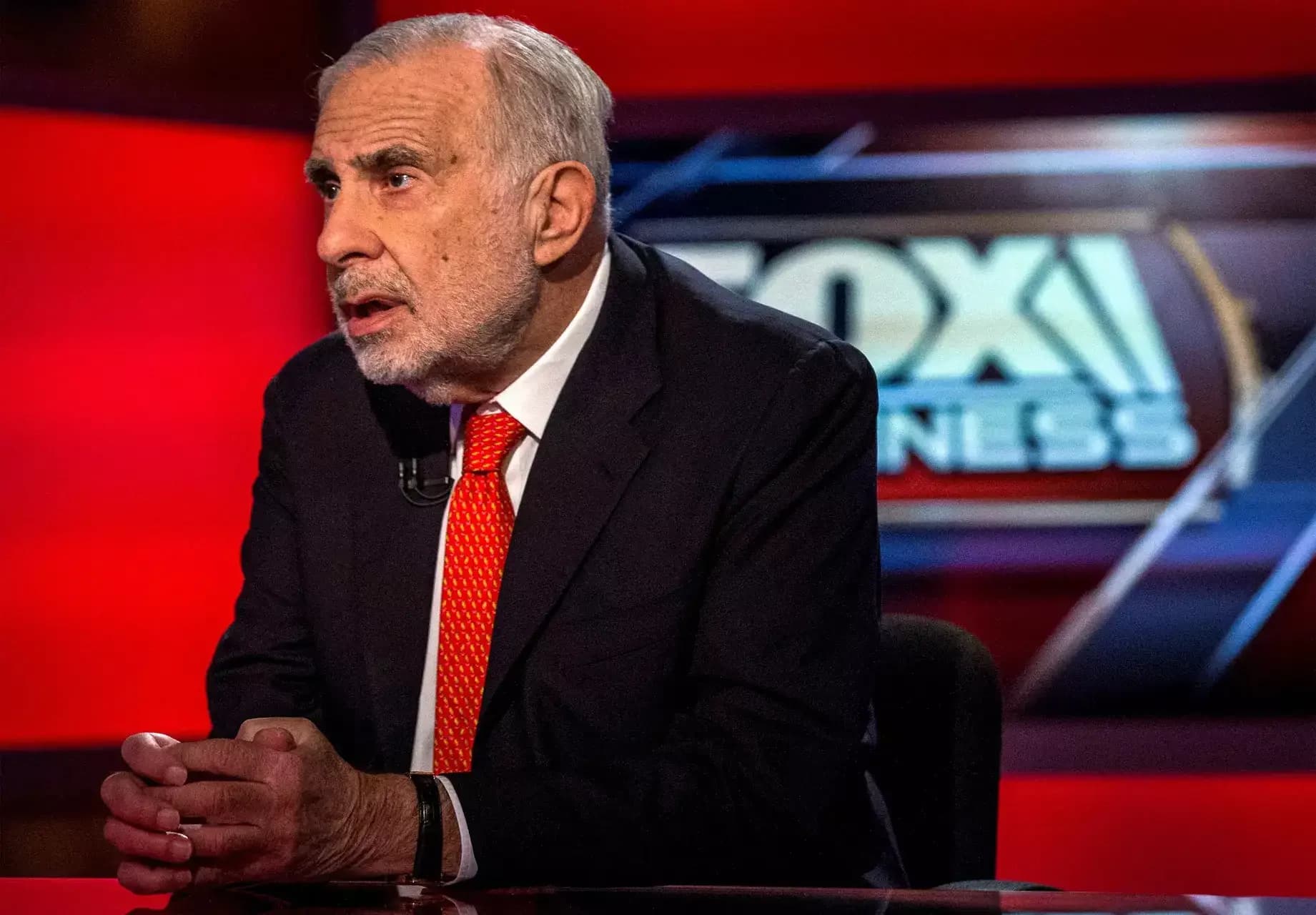
Icahn believes investors should view stocks as ownership in a business rather than pieces of paper that fluctuate in price every day. As reported by The Economic Times, before investing, one must understand how a company generates revenue, what competitive advantages it possesses, and whether its business model can remain relevant in the future. Investors who focus only on stock price movements often miss the bigger picture of underlying business fundamentals. This ownership mindset forms the foundation of his investment approach, emphasizing that investors should understand the company's operations, competitive positioning, and long-term prospects.
One of the most important characteristics of a strong business is its ability to raise prices without significantly hurting demand. According to The Economic Times, companies with strong brands, unique products, or dominant market positions often enjoy superior pricing power. Such businesses are generally better equipped to protect profitability during inflationary periods and economic uncertainty. Icahn considers pricing power a critical measure of a company's long-term productivity and value creation ability. This focus on pricing power helps investors identify businesses with sustainable competitive advantages and strong market positions.
According to Icahn, there are two major mistakes investors make: acting impulsively without thinking and failing to act when opportunity presents itself. As reported by The Economic Times, successful investing requires a balance between patience and decisiveness. Emotional decisions often lead to losses, but excessive hesitation can result in missed opportunities. Investors must learn when to wait and when to move aggressively based on rigorous analysis rather than emotion. Market history is filled with examples of investors chasing popular themes only to suffer when the trend reverses, highlighting the importance of independent thinking.
Icahn has consistently advocated independent thinking and contrarian investing throughout his career. According to The Economic Times, when everyone agrees on a particular investment narrative, the opportunity may already be fully priced in. His approach involves buying when others are fearful and being cautious when optimism becomes excessive. This contrarian philosophy has been a cornerstone of his investment philosophy, helping him identify mispriced assets in volatile markets. The strategy involves betting big on high-conviction ideas when extensive research leads to strong conviction, with large gains typically coming from a handful of exceptional investments rather than dozens of average ones.
At the heart of Icahn's strategy lies value investing, where he looks for businesses whose market prices fail to reflect their intrinsic worth. As reported by The Economic Times, these opportunities often emerge when investors become overly pessimistic about a company, sector, or market. The goal is simple: buy quality assets at discounted prices and wait for the market to recognize their true value. This approach has helped him create wealth by going against conventional market wisdom, with the key being searching for undervalued assets that others may overlook due to short-term pessimism.
Icahn emphasizes staying flexible and adapting to changing market conditions while maintaining a long-term perspective. According to The Economic Times, while having a plan is important, rigidly sticking to outdated assumptions can be costly. Investors should be willing to reassess their views when facts change and adapt accordingly. For Icahn, investing is more than a pursuit of money - it is an intellectual challenge that involves research, strategy, and decision-making. He suggests that those who genuinely love the craft are more likely to remain disciplined during difficult periods and continue learning throughout their investing journey. The framework balances long-term investing with active opportunities, allowing investors to maintain a long-term portfolio while taking advantage of shorter-term situations when risk-reward dynamics become attractive.