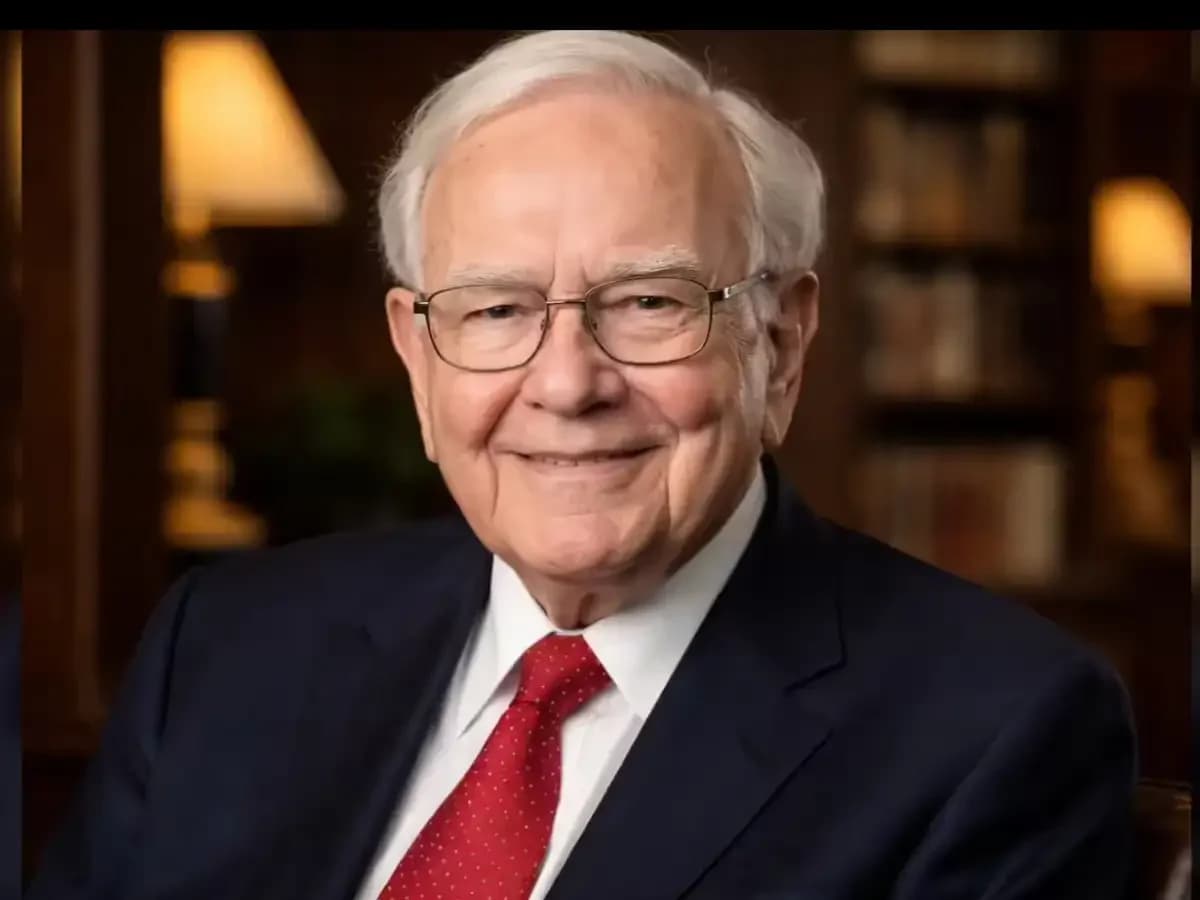
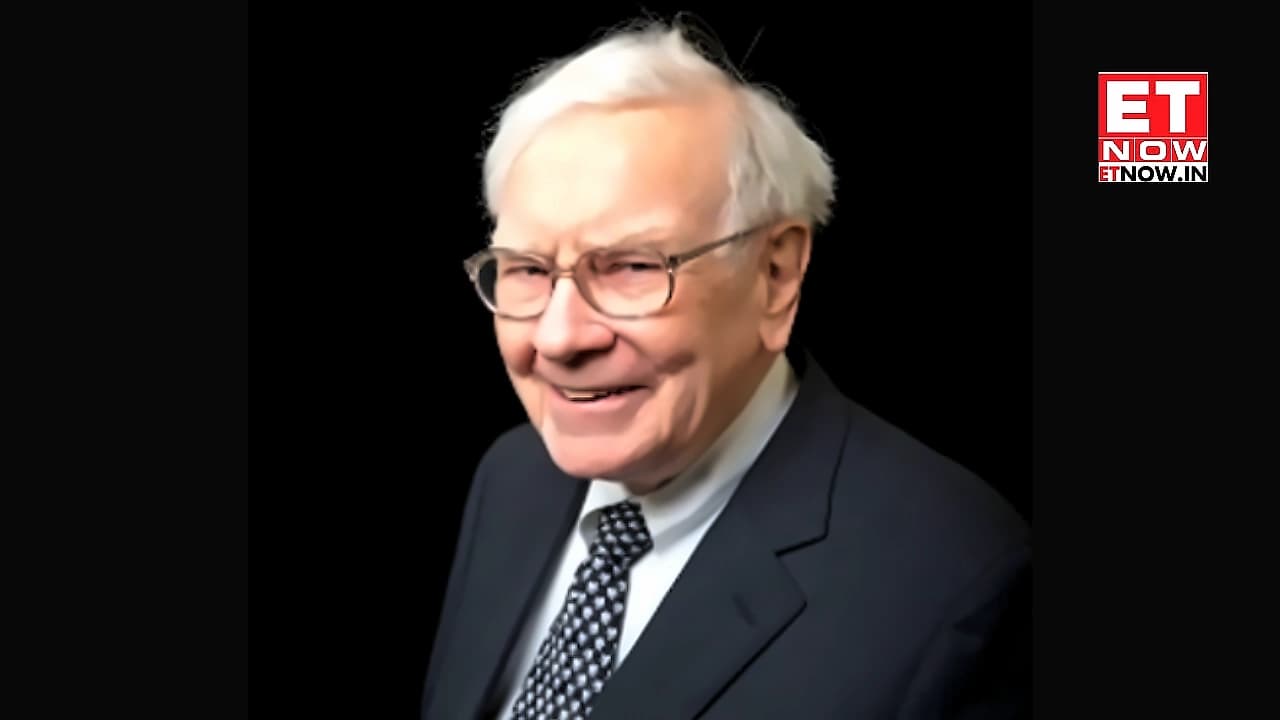
Warren Buffett, the Oracle of Omaha, turns 96 today in his first birthday since stepping down as Berkshire Hathaway's CEO after six decades at the helm. According to The Economic Times, Buffett handed over the CEO role to longtime deputy Greg Abel on January 1, 2026, but remains chairman of the board and continues to make major investment decisions. Despite his enormous financial success, Buffett has maintained a famously simple lifestyle, including his fondness for Cherry Coke and burgers, and continues to work from his hometown of Omaha, Nebraska, rather than Wall Street.
Berkshire Hathaway has made a significant $10 billion investment in Alphabet, making it the company's third-largest common stock holding worth about $37.8 billion as of June 2025. As reported by Reuters, CEO Greg Abel called Alphabet a 'significant player' in AI, with Berkshire holding nearly 106 million Alphabet shares behind only its holdings in Apple and American Express. Abel noted that 'We are all seeing and feeling the impact' of AI, creating opportunities beyond traditional technology stocks. The investment reflects Berkshire's strategic positioning in the massive AI infrastructure buildout, with Abel authorizing the latest purchase at a 6.5% discount to Alphabet's stock price.
Berkshire Hathaway Energy is positioned to benefit significantly from the growing AI data center power demands, with data centers accounting for about 8% of Berkshire Hathaway Energy's load in Iowa last year. According to Reuters, Abel emphasized that 'energy would be the constraint' but sees it as a 'significant opportunity for Berkshire and Berkshire Hathaway Energy'. This creates an unusual link between Berkshire's technology investment and its energy business, as Alphabet and other technology companies pour money into AI infrastructure while Berkshire can participate through both the technology companies and the energy systems required to keep their data centers running.
Buffett's investment philosophy centers on buying quality businesses at attractive prices, rarely buying stocks at more than 15 times forward earnings. As reported by The Economic Times, he has built his approach around downside protection ahead of potential upside, focusing on predictable cash flows and clean balance sheets to reduce risk during market downturns. His long-term holdings have included Coca-Cola, American Express and Wells Fargo, while he has trimmed major positions in Apple, Bank of America, JPMorgan Chase, Goldman Sachs, Citigroup and Paramount Global in recent years. In his 1979 letter to shareholders, Buffett warned that 'EPS growth is misleading; ROE is the real test', emphasizing that the primary test of managerial economic performance is achieving high earnings rates on equity capital without undue leverage or accounting gimmickry.
At the end of the second quarter of 2025, five stocks - American Express, Apple, Bank of America, Coca-Cola and Chevron - accounted for nearly 70% of Berkshire's roughly $300 billion equity portfolio. As reported by The Economic Times, Buffett himself holds more than 99% of his net worth in Berkshire shares, a stake valued at about ₹3,660 crore. Berkshire has avoided issuing stock for acquisitions and never granted stock-based compensation, resulting in share count increasing by only about 40% since 1965.
Despite AI opportunities, CEO Greg Abel acknowledged that U.S. consumers remain under pressure from elevated inflation and mortgage rates, with the housing market facing a difficult period. According to Reuters, Abel noted that 'There's a consumer that is still clearly feeling the pain, and struggling, and having to stretch a lot further with that dollar'. However, he sees potential in the housing sector, stating that Taylor Morrison could become a 'very strong asset' over the next five to 10 years as more people seek homeownership. Abel also highlighted Berkshire's long-term investments in Japanese trading houses, with stakes of more than 10% in Itochu, Marubeni, Mitsubishi, Mitsui and Sumitomo, which he plans to hold 'for many decades'.