According to reports from ET Now, volatility is expected to remain elevated in the markets in the coming days. On Friday, Indian markets closed weaker despite most global markets trading firmly in green, indicating that selling pressure was driven primarily by domestic factors. The concern stems from oil prices crossing the $80 threshold, which is generally seen as the comfort level that both fiscal stability and corporate earnings can absorb. This spike is driven by disruptions in the supply chain in the world's major oil-producing region, potentially taking time to return to normal levels.
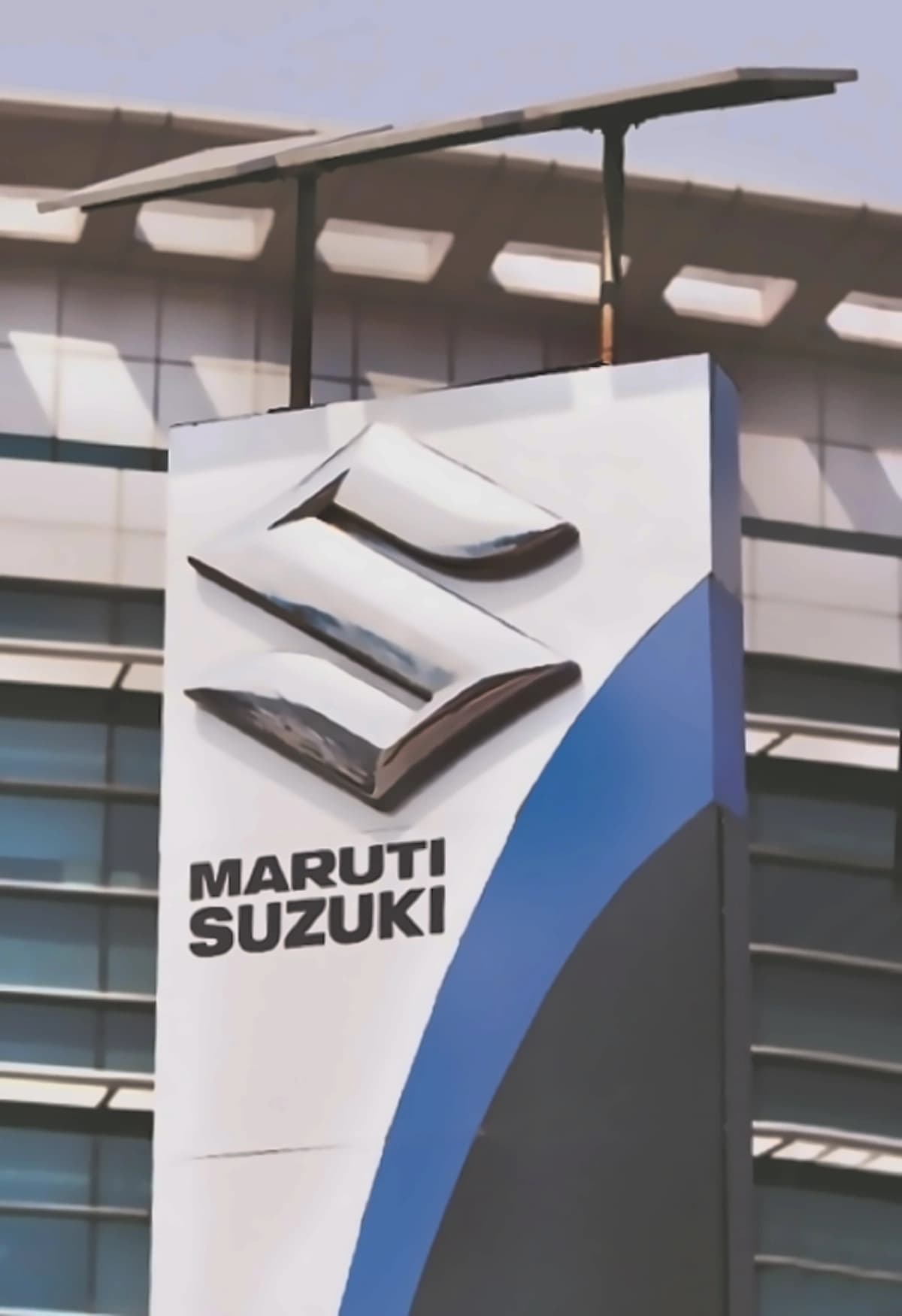
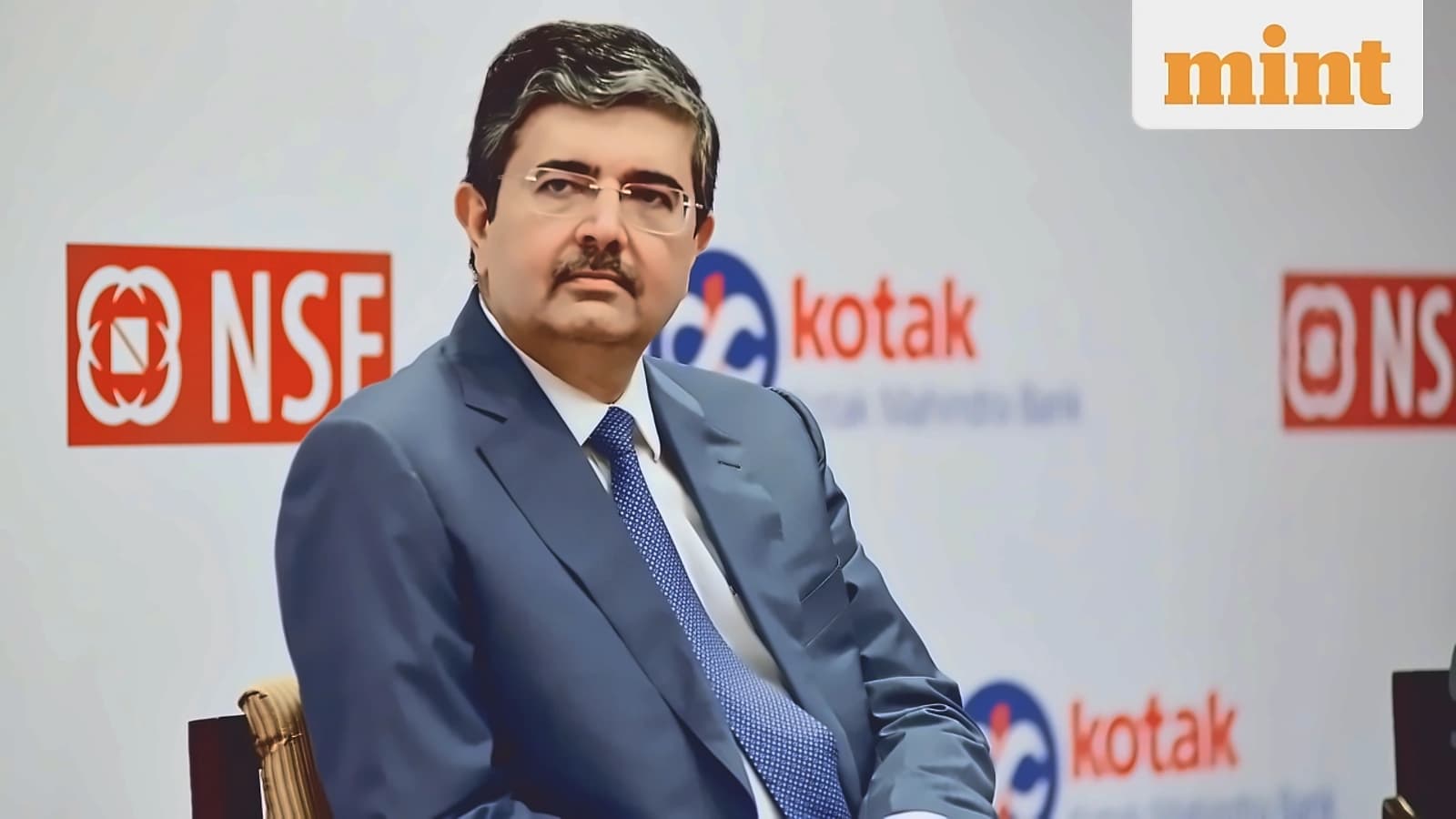
As reported by ET Now, the selection includes five stocks with strong upside potential over the next 12 months and analyst confidence. The recommended stocks span multiple sectors including Havells India with the highest upside potential of 32% (recommendation: Buy), Jio Financial Services at 28% (recommendation: Strong Buy), GlaxoSmithKline Pharma at 25% (recommendation: Buy), Maruti Suzuki India at 23% (recommendation: Buy), and Kotak Mahindra Bank at 22% (recommendation: Buy). These stocks had earlier undergone corrective phases and are now showing signs of recovery, in line with the broader market trend.
According to ET Now, the screening for these five stocks is based on data sourced from Refinitiv's latest SR Plus report dated May 30, 2026. The selected stocks have an average recommendation rating of 'Strong Buy', 'Buy', or 'Hold'. Investors should consider companies backed by strong parentage and robust balance sheets, as firms with stronger balance sheets are better positioned to withstand crises and navigate periods of market uncertainty. The stocks span banking, auto, pharma, and other sectors, showing signs of recovery after corrective phases.
As reported by The Economic Times, there is a clear indication that no additional or special tariff will be imposed by the US on generic drugs, providing relief to Indian drug companies. The US healthcare system must be relieved as well, given that India is the biggest supplier of generic drugs to the American market. Any increase in the cost of these medicines would have led to a disruption in the US healthcare system. With this tariff threat seemingly a thing of the past, there is a sense of improvement on the street for Indian pharma companies. The frequency of US FDA inspections has decreased significantly over the last year, making it easier for Indian pharma firms to handle challenges in the US market.