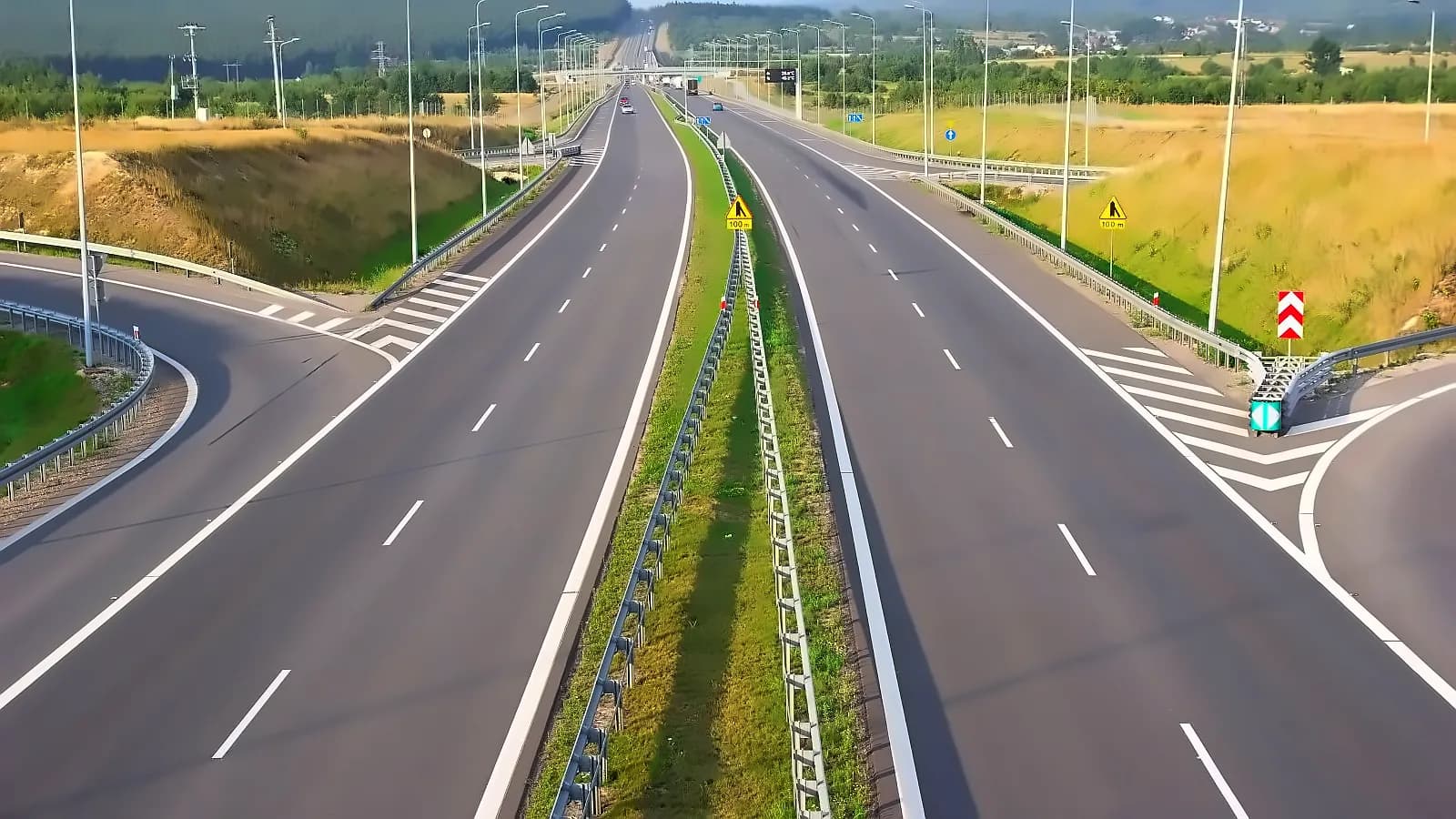
India's infrastructure sector is positioned for significant expansion as the government implements production linked incentive (PLI) schemes to enable massive capital expenditure plans. According to reports from The Financial Express, despite being one of the fastest-growing economies globally, India continues to lag behind other countries in infrastructure development. The government's strategic focus on infrastructure development through PLI schemes is expected to transform the sector, with companies emerging from smaller operations to challenge established players in the infrastructure space.
PSP Projects has demonstrated strong financial growth with revenue expanding at a CAGR of 21% over the past five years, reaching ₹31,487 crore in FY26 compared to ₹17,481 crore in FY22. As reported by The Financial Express, the company's net profit declined to ₹556 crore in FY26 from ₹1,663 crore in FY22**, primarily due to elevated working capital position and out-of-scope work for the Bhavan Prakoshtha project**. The company maintains a massive order book of ₹91.8 billion with management expecting to reach ₹110 billion, while Adani Infra holds a 34.41% stake in the company following recent acquisitions.
HG Infra has established itself as a comprehensive infrastructure player with revenue of ₹52,350 crore in FY26 and maintains an order book of ₹139.3 billion across 29 active projects in 13 Indian states. According to The Financial Express, the company has diversified into railways, solar power, and battery energy storage systems, while maintaining strong financial metrics with sales and net profit growing at CAGR of 18% and 25% respectively over five years. The company's ROE and ROCE have averaged 23% and 24% during this period, positioning it well for future infrastructure projects.
Kirloskar Oil Engines specializes in internal combustion engines and generator sets, serving as a proxy play for India's infrastructure story through its construction machinery applications. As reported by The Financial Express, the company has revenue of ₹77,010 crore in FY26 with net profit of ₹5,620 crore, representing 21% growth in revenue. The company is pursuing its 2B2B strategy targeting US $2 billion in consolidated revenue by fiscal 2030 through capacity expansions and market diversification across multiple segments.
Mahindra and Mahindra has demonstrated exceptional performance with auto volumes up 19% and margins improving by 80 basis points in recent quarters. The company reported revenues of ₹549,819 million in Q4 FY26 versus ₹425,993 million YoY, with net profit of ₹47,071 million compared to ₹31,025 million YoY. In February 2026, the Mahindra Group announced ambitious expansion plans including a ₹150 billion investment over 10 years in Maharashtra. The facility will span 1,500 acres in Vidarbha with an annual production capacity of over 0.5 million vehicles and 1 million tractors, making it Mahindra's largest integrated manufacturing footprint in the country.