Green hydrogen cannot create a clean energy economy unless it can be moved safely and economically. According to reports from The Financial Express, producing hydrogen is only the first step - the bigger challenge is transporting it from production plants to end-users. Unlike natural gas, hydrogen requires specialized infrastructure such as dedicated pipelines, high-pressure cylinders, or cryogenic tanks operating at -253°C. India's existing natural gas pipeline network of 33,000 kilometers by 2027 can only support initial hydrogen blending, while large-scale green hydrogen deployment will require entirely new, dedicated hydrogen pipeline corridors.
Under the National Green Hydrogen Mission, India aims to produce 5 million metric tonnes (MMT) of green hydrogen annually by 2030. As reported by The Financial Express, Welspun Corp estimates that achieving this target will require around ₹10 lakh crore of investment in hydrogen transportation infrastructure, including pipelines and storage systems. The opportunity extends beyond India, with global hydrogen demand projected to continue expanding as countries build hydrogen supply chains.
INOX India is a global leader in vacuum-insulated cryogenic equipment, providing end-to-end solutions across the entire value chain. According to The Financial Express, industrial gas contributes 45% of revenue, while LNG accounts for 29% and others contribute 26%. The company has an order book of approximately ₹1,514 crore, with expectations to close around ₹1,200 crore in FY27. Export revenues account for roughly 63% of its order book, with the company purchasing 7 acres of land near Kandla Port for a new facility operational in 10 months.
Welspun Corp is the world's largest welded line pipe manufacturer, boasting a market share of over 30% in the US market. As reported by The Financial Express, the company manufactures large-diameter welded line pipes including LSAW, HSAW, and HFIW pipes suitable for transporting natural gas, refined oil products, water, and pure hydrogen. WCL's Little Rock facility remains fully booked until FY28, supported by strong emerging demand for hydrogen transportation opportunities. The company has established a dedicated hydrogen testing lab in collaboration with DNV Norway and received recognition from the Bureau of Indian Standards for advancing hydrogen pipeline standards.
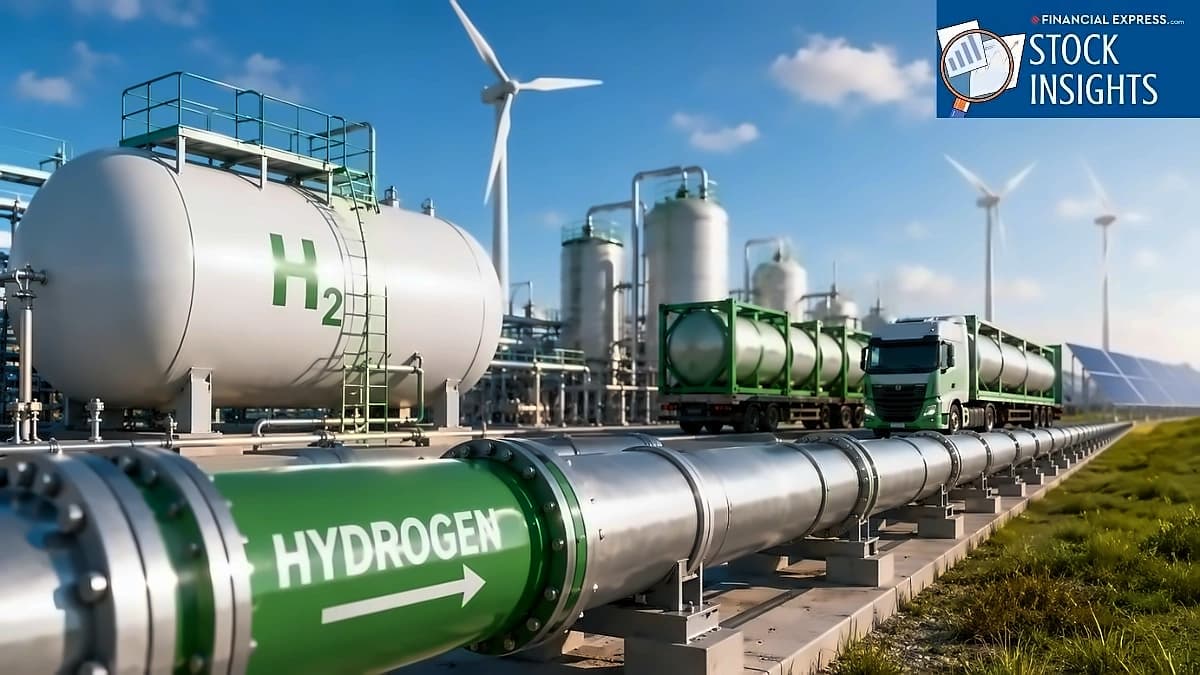
Jindal Saw manufactures specialized high-grade steel pipes for hydrogen transportation, achieving a minimum leak strength of 70,000 psi in lab testing. According to The Financial Express, the company is closely monitoring major infrastructure developments in the Middle East and North Africa region, including Oman's plans to develop a 400-kilometer hydrogen pipeline network. The company is setting up a 300,000 MTPA seamless pipe manufacturing facility in Abu Dhabi through a joint venture, positioning itself to capitalize on regional water and energy project opportunities.