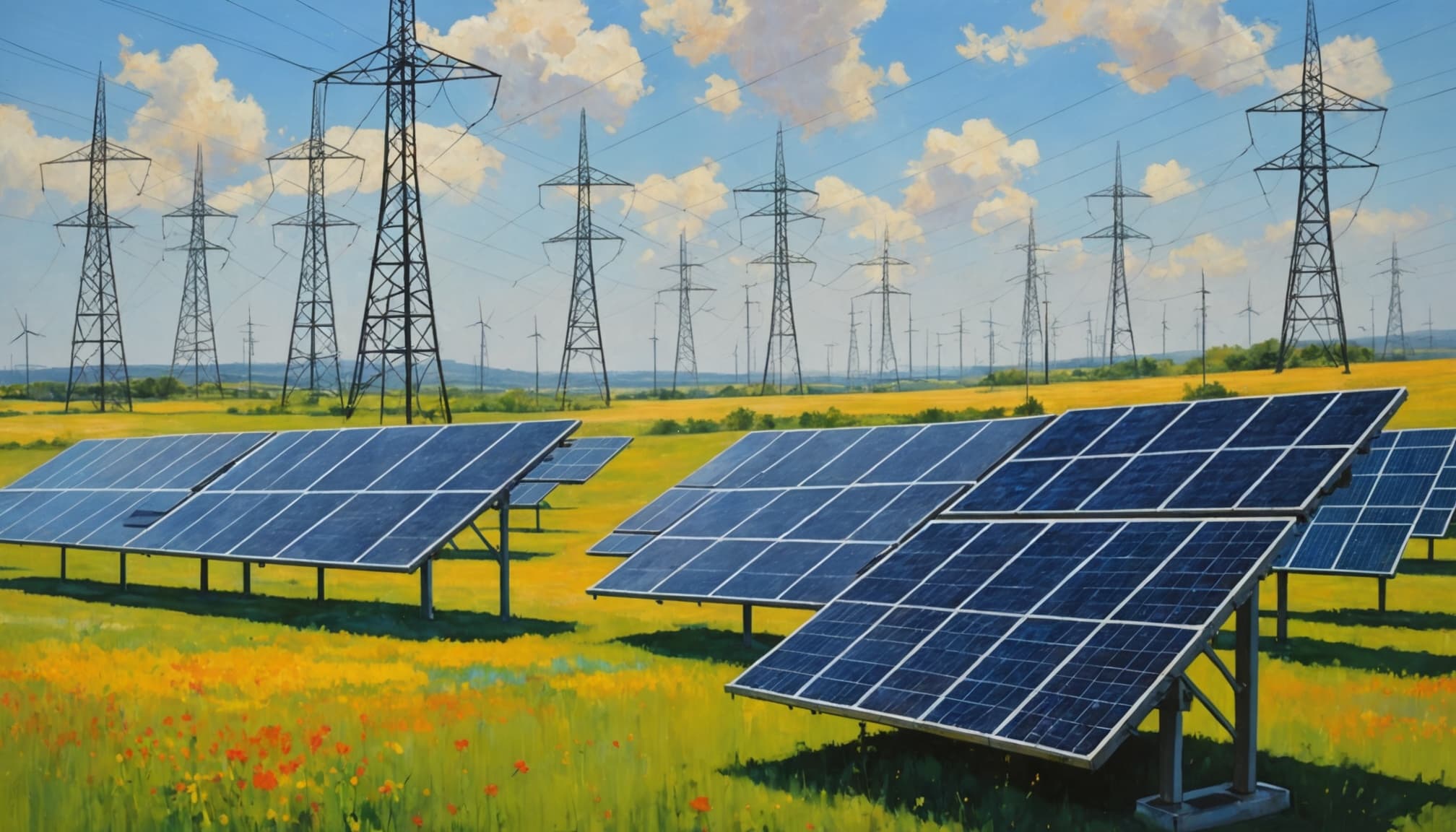
Petronet LNG Ltd has approved a proposal to establish a 50:50 joint venture with Gruner Renewable Energy Private Limited to develop compressed biogas (CBG) infrastructure across India. According to an exchange filing on September 17, the proposed venture will be incorporated as a private limited company with an estimated capital outlay of ₹1,200 crore. The approval was granted at Petronet LNG's board meeting on September 17, 2026, with the company stating that further details will be disclosed to stock exchanges after incorporation.
The joint venture will develop 10 compressed biogas plants across India, with each facility having a capacity of 18 metric tonnes of CBG per day. As reported by CNBC TV18, this gives the proposed project a combined capacity of 180 tonnes per day of compressed biogas. The partnership aims to deploy renewable energy infrastructure across India, with compressed biogas produced from organic waste serving as a renewable alternative to conventional natural gas. This venture represents a strategic expansion into the renewable energy sector for Petronet LNG, leveraging its expertise in gas infrastructure development.
The joint venture announcement comes after Petronet LNG reported mixed financial results for the June quarter. According to company data, the company's net profit declined 15.4% sequentially to ₹1,113 crore from ₹1,338 crore in the March quarter. Despite the profit decline, the company's EBITDA margin improved significantly to 27.6% from 19.7% in the previous quarter, representing an increase of 7.9 percentage points. Revenue also fell 41.2% quarter-on-quarter to ₹5,554.1 crore from ₹9,442.1 crore, while EBITDA declined 17.7% to ₹1,532 crore from ₹1,862 crore.

Petronet LNG shares closed 0.67% higher at ₹284 on the NSE on Thursday, September 17, following the announcement. As reported by CNBC TV18, this positive market response suggests investor confidence in the company's strategic expansion into the renewable energy sector through the joint venture with Gruner Renewable Energy. The move aligns Petronet LNG's existing gas infrastructure expertise with the growing domestic focus on cleaner fuel sources, representing a diversification into the renewable energy space.