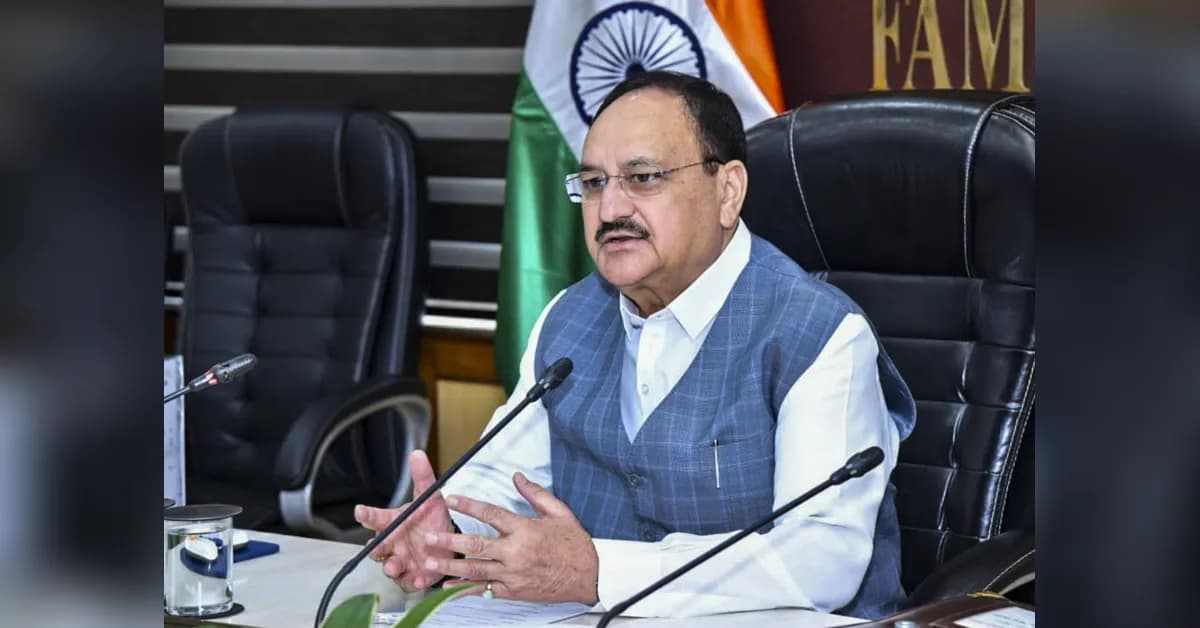
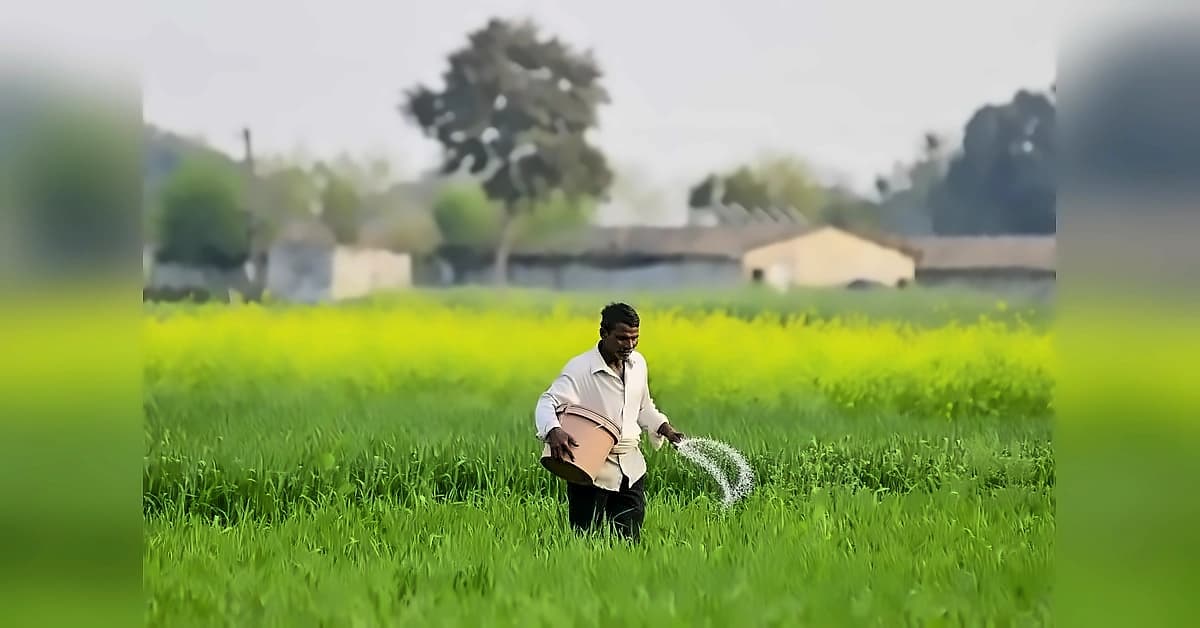
Union Minister for Health and Family Welfare and Chemicals & Fertilisers, Jagat Prakash Nadda, addressed the ongoing West Asia crisis impact on India's fertiliser and pharmaceutical sectors during a media interaction in Shimla on June 14. According to reports from Business Standard, Nadda stated that the government has adopted a multi-pronged approach to safeguard supplies of medicines, medical devices and fertilisers, ensuring there will be no shortage of medicines, medical devices or fertilisers in India. The minister emphasized that farmers and citizens will not face any difficulty despite the crisis, with the government having already diversified supply sources to safeguard national interests. As per Business Standard, Nadda explained that the government's priority is to maintain uninterrupted supplies rather than speculating on the crisis's duration, stating that farmers in the country will not be affected.
As reported by Business Standard, Nadda outlined specific measures taken to secure fertiliser imports from countries outside the Strait of Hormuz region. The government has moved towards alternative sources of fertilisers and is issuing fresh tenders with countries such as Indonesia, Australia, Russia and China, which are outside the Strait of Hormuz route. The Union Minister confirmed that India has sufficient fertiliser stocks for the ongoing Kharif season and is already preparing for the Rabi season. According to Business Standard, Nadda stated that the Centre's focus is not on predicting the duration of the crisis but on ensuring uninterrupted supplies for citizens, with the government having closely monitored pharmaceuticals, medicines, medical devices and other critical supplies.
During the media interaction, Nadda acknowledged growing concerns over climate-related disasters in Himachal Pradesh and other Himalayan regions, including increasing frequency of landslides, flash floods and infrastructure damage. According to Business Standard, the minister confirmed that the Government of India has assigned experts to undertake studies on these issues, with such analyses being carried out not only for Himachal Pradesh but also for Uttarakhand. Nadda stated that scientific assessments are underway to understand the causes behind the increasing incidents of natural disasters in the Himalayan region, though he was not immediately aware of the latest status of the reports. As per Business Standard, Nadda acknowledged the validity of these concerns, noting that after the recent disasters, the Government of India assigned experts to examine the issues, with such analyses being conducted for both Himachal Pradesh and Uttarakhand.