India's food security remains robust despite ongoing geopolitical tensions, with record food grain production of 3,766 LMT in 2025-26, representing a 5.2% increase over 3,577 LMT in 2024-25 and about 13% higher compared to 2023-24 levels. As per the latest government data, total pulses production reached a record 274.09 LMT in 2025-26, up 6.7% from the previous year's 257 LMT and 13% higher than 2023-24's 242 LMT. Chana production surged 12.6% to 125.14 LMT while moong production increased 6% to 44.92 LMT and lentil production grew 7% to 17.62 LMT. The government maintains pulses stock at 43 LMT as of May 2026, marking the highest level in three years and more than double the 21 LMT recorded in May 2024.
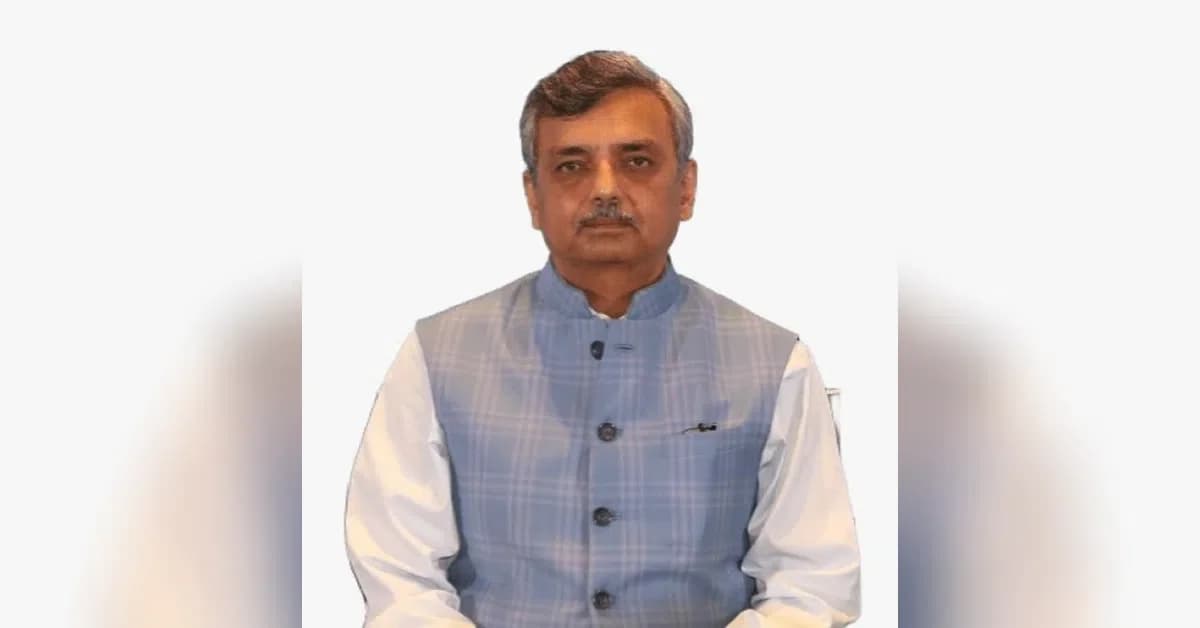
India's pharmaceutical sector has demonstrated remarkable resilience despite extended disruptions from the conflict in West Asia, according to Pharma Secretary Manoj Joshi. As reported by Business Standard, the industry faced initial supply constraints, particularly solvents and active pharmaceutical ingredients (APIs), but the government successfully addressed these issues and restored supply chains. The supply of key solvents essential for manufacturing, including methanol, ammonia, and propylene, has now stabilized, though input costs have increased due to higher crude oil and petrochemical prices. Shipping services in the West Asia region have remained stable and operational, with the number of services operating East of Hormuz and through the Red Sea rising from 127 in February to a peak of 257 in April, with 245 services recorded in May.
The government is not considering a blanket price increase for essential medicines due to the West Asia crisis, as confirmed by Joshi. According to Business Standard, while the Department of Pharmaceuticals and National Pharmaceutical Pricing Authority (NPPA) are aware of individual cases with abnormal price spikes, these are unrelated to the current conflict. Platinum used in cancer medications has seen an almost 250% rise in price, which is being considered separately from the broader supply chain disruptions. The government has implemented excise duty reduction of ₹10 per litre on petrol and diesel to protect consumers from abnormal crude price increases resulting from the Middle East crisis.
The ₹10,000 crore Mission Biopharma Shakti scheme announced in this year's Budget will be rolled out after obtaining appropriate approvals, including the Expenditure Finance Committee (EFC) and Cabinet clearance. As reported by Business Standard, the scheme will utilize funds over the next five years to strengthen India's position as a global manufacturing hub in biopharma. The initiative includes building three National Institutes of Pharmaceutical Education and Research (NIPERs) and upgrading seven existing ones, focusing on non-communicable diseases like diabetes, cancer, and autoimmune disorders.
Under the Promotion of Research and Innovation in Pharma MedTech Sector scheme, the department has received 710 proposals in the first round and approved 22 projects with financial assistance of around ₹720 crore. According to Business Standard, the scheme provides micro, small and medium enterprises and startups with ₹5 crore assistance for projects up to ₹9 crore, and ₹100 crore maximum assistance for projects up to ₹285 crore. The department is targeting completion of Round 1 evaluation within the next two months.
The department is working on a new comprehensive support scheme for discovery and development in bulk drugs with a longer timeframe for industry setup and more flexible government support for product research and development. As reported by Business Standard, the Revamped Pharmaceuticals Technology Upgradation Assistance Scheme (RPTUAS) launched in March 2024 continues to facilitate technology upgrades for existing pharmaceutical units to comply with Revised Schedule M and WHO-GMP norms. The government is also advancing initiatives to ease compliance burdens while maintaining ethical standards in pharmaceutical marketing practices.