India is actively expanding its energy partnership with Venezuela as part of a broader strategy to diversify crude imports amid ongoing disruptions in West Asia. According to latest reports, the engagement reflects India's push to secure stable and diversified energy supplies at a time when geopolitical tensions have disrupted traditional supply routes through the Strait of Hormuz. With nearly 90% of India's crude oil requirement met through imports, disruptions in key shipping lanes have pushed refiners to look toward alternative suppliers across Latin America, Africa, and other non-Gulf regions. Venezuela, which holds the world's largest proven crude reserves, has emerged as a strategically important supplier in India's evolving energy mix, with recent months seeing a sharp rise in Venezuelan crude shipments to India.
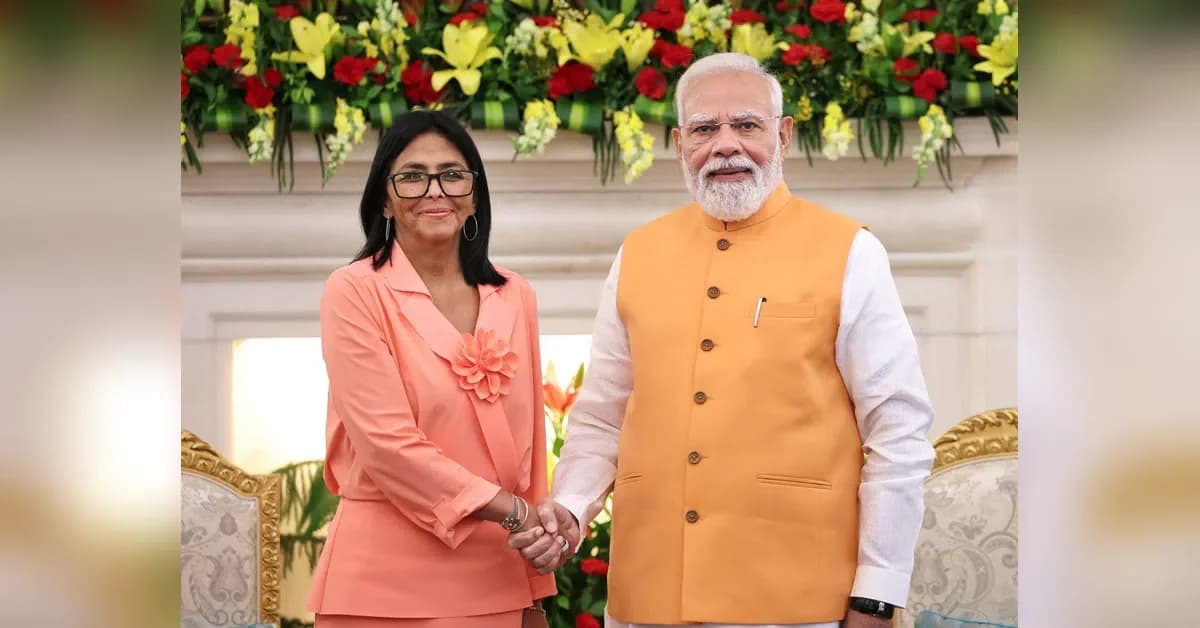
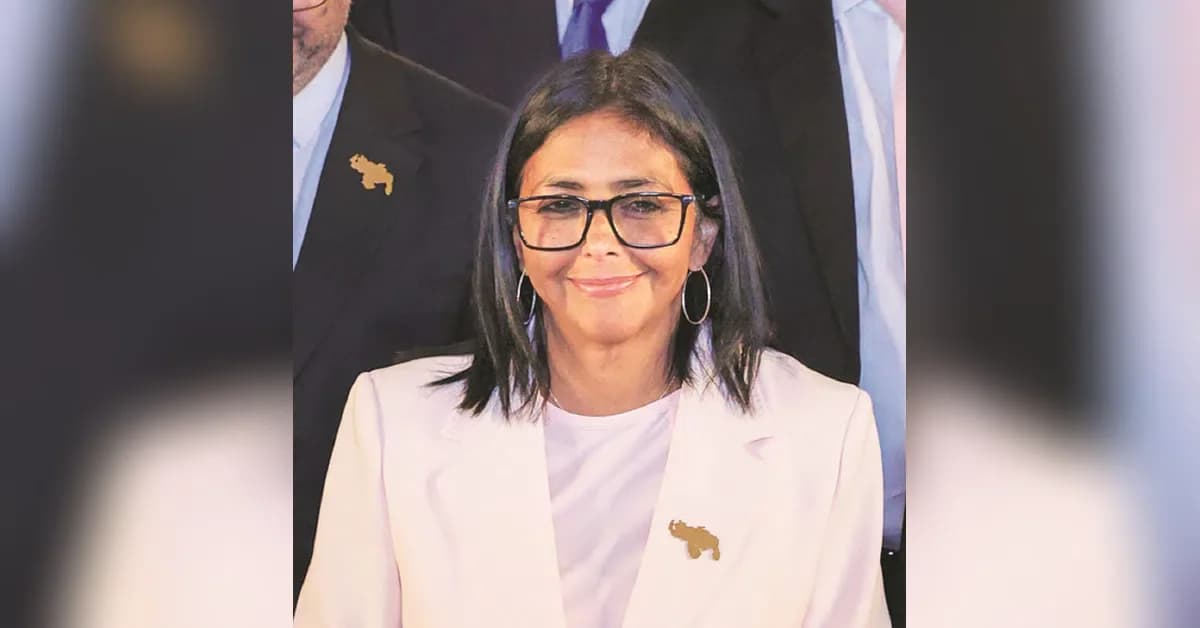
India and Venezuela held high-level discussions in New Delhi on June 4, 2026, with Venezuela's Acting President Delcy Rodríguez meeting Prime Minister Narendra Modi to expand their energy partnership. According to Reuters, India's Oil Minister Hardeep Singh Puri told Rodríguez that Indian companies are willing to deepen their presence in Venezuela, reaffirming India's strong support for Venezuela's energy reconstruction. Both sides expressed intent to deepen cooperation in oil, critical minerals, technology, agriculture, health, and people-to-people ties. The discussions focused on establishing long-term contracts and moving from spot purchases to long-term supply agreements to enhance energy security. Modi described Venezuela as a valued partner in Latin America and emphasised the importance of close cooperation for the Global South.
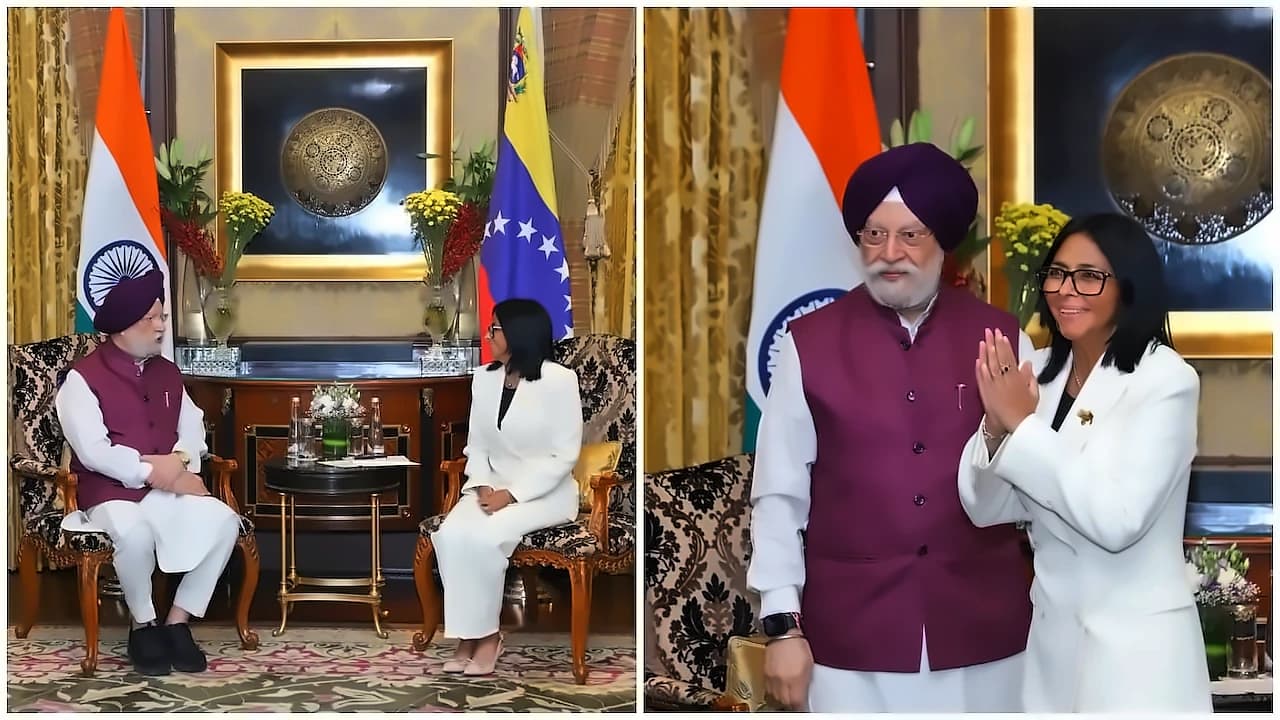
Rodríguez acknowledged India as a reliable partner and highlighted the complementarities between the two nations in the energy sector. According to Reuters, she invited an Indian energy delegation to visit Venezuela to explore opportunities for enhanced collaboration in the country's reformed oil and gas industry. The Venezuelan delegation conveyed openness to business and reform, while Indian officials indicated readiness to facilitate company-level engagement. Coverage revealed that Indian and Venezuelan officials agreed that while government-level facilitation is important, commercial decisions regarding pricing and payment mechanisms will be determined by the companies involved. Venezuela's energy sector is currently undergoing significant restructuring, with reforms aimed at opening oil and electricity markets to private capital. During the meeting, Rodríguez described India as a reliable partner and invited Indian companies to participate more actively in Venezuela's reformed oil and gas sector.
Indian public sector companies have maintained a presence in Venezuela's oil sector for over a decade, with investments in key upstream assets in the Orinoco Belt. The cumulative Indian investment in Venezuela's hydrocarbon sector is estimated at around $1 billion through the San Cristóbal and Petrocarabobo-1 projects. According to the Ministry of Petroleum & Natural Gas, India's average monthly crude oil imports from Venezuela increased sharply from 64.027 thousand metric tonnes (TMT) during FY 2025-26 to 1,047.148 TMT during April-May of FY 2026-27. Officials indicated that the latest discussions also focused on unlocking stranded value from existing investments, expanding upstream participation, and exploring new joint ventures in exploration and production. Venezuela has invited Indian companies to play a larger role in its ongoing energy sector reforms and infrastructure expansion plans. Officials noted that India views Venezuela as a long-term energy partner due to its ability to supply heavy crude grades that align well with the configuration of certain Indian refineries.
New Delhi emerged as the second-largest importer of Venezuelan oil in May 2026, with purchases of 427,000 barrels per day, as reported by Reuters. India also stated that Venezuela was among its largest crude oil suppliers in April and May. Venezuela has consequently become one of India's leading crude oil suppliers during the current financial year, with the surge in Venezuelan crude purchases coming as India, the world's third-largest oil importer and consumer, grapples with supply disruptions caused by the U.S.-Israeli war with Iran. Rodríguez's visit to India, her first visit to the country in her current role, represents a significant step in strengthening bilateral energy cooperation. She is also expected to meet top Indian energy industry leaders in financial capital Mumbai and visit oil refining facilities before her visit concludes.