India has signed a ₹42,500 crore strategic agreement with the UAE during PM Modi's May 2026 visit to Abu Dhabi, marking a significant shift in India's energy security strategy. According to reports from The Economic Times, ADNOC could commit approximately USD 5 billion towards infrastructure, technology and strategic storage investments, enabling India to secure the ability to store up to 30 million barrels of crude oil within Indian reserve facilities. This partnership addresses India's critical energy vulnerabilities, with the UAE boost providing a 30-million-barrel addition to meet the 90-day IEA international goal. The agreement represents a major transition from reactive dependence to proactive energy security, positioning India as a stabilising Indo-Pacific power rather than merely a major energy consumer.
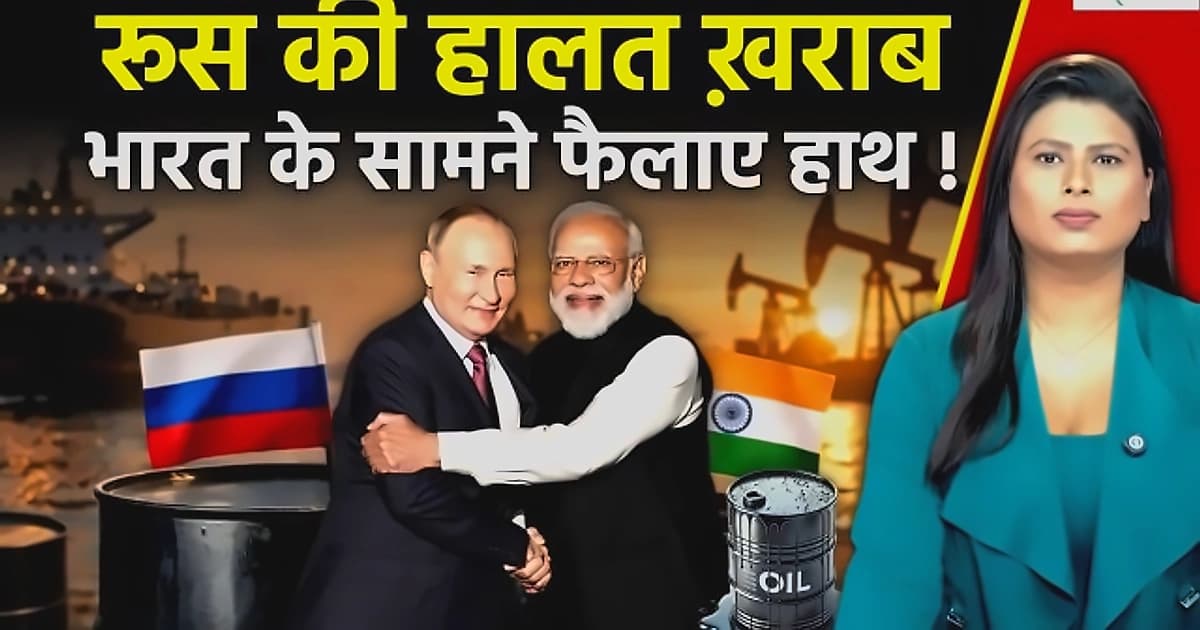
India is rapidly transforming into the world's largest energy superpower, with Russia reportedly seeking to purchase petroleum products from India's refining capacity. According to reports from Goodreturns, this development represents a significant shift in global energy dynamics, with the world's largest energy superpower now relying on India's refining infrastructure. The change reflects the evolving global energy landscape and India's growing prominence in the international energy market. The latest strategic agreements with the UAE further strengthen India's position as a global energy hub, with the country now sourcing crude oil from 47 countries compared to the previous 27 countries, demonstrating its expanded energy diplomacy capabilities. This transformation is occurring against a backdrop of global energy market volatility, with the closure of the Strait of Hormuz during the Israel-US conflict with Iran leading to global crude prices surging from a pre-war benchmark of USD 65 per barrel to a staggering USD 115 per barrel, with Indian bucket prices reaching a peak of USD 140 per barrel.
As of the latest market data, petrol is priced at ₹111.21 per litre and diesel at ₹97.83 per litre in India. According to Goodreturns reporting, these fuel prices reflect the current market dynamics and show the impact of global energy supply chains on domestic pricing. The pricing structure indicates the competitive nature of India's fuel market amid global energy transitions and the country's growing role as a global energy superpower.
India's energy security architecture now encompasses multiple strategic frameworks beyond traditional procurement contracts. The Strategic Petroleum Reserve (SPR) Phase-I provides 5.33 Million Metric Tonnes (MMT) equivalent to approximately 9.5 days of national consumption, distributed across three underground unlined rock cavern sites. Additionally, India depends on Oil Marketing Companies (OMCs) rolling inventories amounting to 64.5 days' worth of consumption stock, with refineries holding half in crude oil and half in finished products. The total aggregated storage amounts to 74 days' reserves, while for LPG, India is completely dependent on OMC rolling inventory, amounting to 45 days of consumption and 60 days' worth of LNG. The UAE partnership significantly enhances this framework, with the SPR Phase II expansion remaining critical for long-term resilience, potentially expanding India's standalone strategic cover to approximately 22 days.
The Strait of Hormuz remains the most critical chokepoint for India's energy imports, with historically nearly 80% of Indian crude oil imports and nearly 60% of LPG needs using this route. The exceptionally narrow sea route, only about 3 km wide, has capacity to handle 20 million barrels per day, but the 2026 crisis demonstrated that maritime geography remains the ultimate determinant of energy continuity. The complete closure of the Strait of Hormuz during the Israel-US conflict with Iran led to global crude prices surging from a pre-war benchmark of USD 65 per barrel to a staggering USD 115 per barrel, with Indian bucket prices reaching a peak of USD 140 per barrel. India has now increased the number of countries it sources crude oil from from 27 to 47 and raised domestic LPG production by more than 40% to mitigate these vulnerabilities.