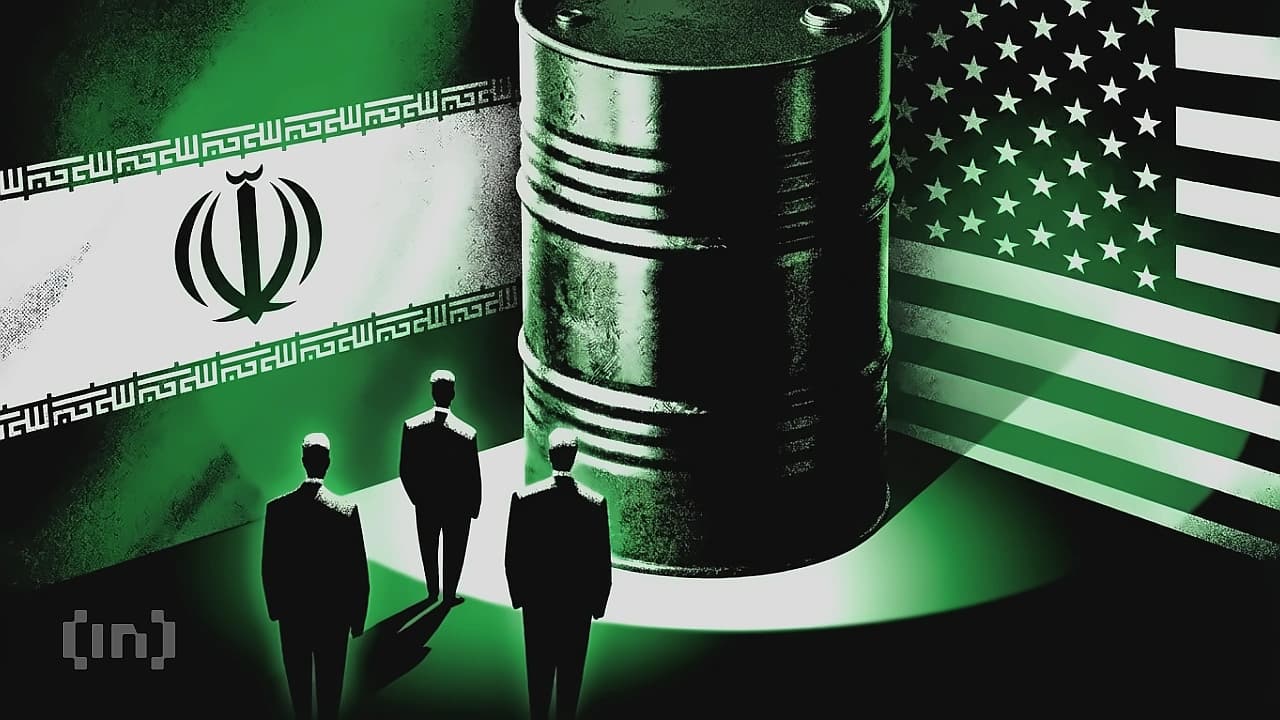
The United States has significantly expanded its Iran sanctions campaign, with the Department of State sanctioning over 60 entities, individuals, and vessels under 'Operation Economic Outcast' on August 24. According to the latest State Department release, US Treasury Secretary Scott Bessent announced this unprecedented campaign to sever Iran's financial lifelines and broaden the risk of secondary sanctions for entities continuing to do business with Tehran. The expanded action targets multiple nodes of Iran's illicit trade network, including shell companies, intermediaries, shadow fleet operators, and import and logistics companies that facilitate the entry of Iranian-origin commodities through customs. Bessent warned that "every country has a defined timeline to shut down activities identified by the US," while warning that "any entity facilitating money laundering on behalf of Iran will be removed from the US dollar system. The clock just started ticking."
The sanctioned companies include Portease Partners LLP, Sadashiva Overseas Ltd., PP Softtech Pvt. Ltd., Prakrutees Infra Impex India Pvt. Ltd., and numerous other entities across the petroleum and petrochemical trade chain. Portease Partners was designated pursuant to section 3(a)(iii) of E.O. 13846 for knowingly engaging in significant transactions for the purchase, acquisition, sale, transport, or marketing of petrochemical products from Iran on or after November 5, 2018. Sadashiva Overseas was identified as having imported approximately ₹5,600 crore worth of Iranian-origin petroleum products between February 2024 and June 2025, with the company being designated pursuant to section 3(a)(ii) of E.O. 13846 for knowingly engaging in significant transactions for the purchase of Iranian petroleum products. PP Softtech was accused of importing approximately ₹2,000 crore worth of Iranian-origin petroleum products between January 2024 and June 2025, with its director Prashant Garg also designated under section 3(a)(ii). Prakrutees Infra Impex was identified as having imported Iranian-origin petroleum products valued at ₹2,000 crore between May 2023 and February 2026 from multiple companies, including US-designated Bonjour Commodity F.Z.E. Among the four India-based companies facing action is a customs broker identified as Portease Partners LLP and its partners Indrismiya Ashrafmiya Sheikh and Harish Ramachandra Rangi, who facilitated the import of multiple shipments of Iranian petroleum and petrochemical products. Sheikh, Rangi and Garg are Indian nationals, according to the State Department release.
According to the latest State Department release, Sadashiva Overseas was identified as having imported approximately ₹5,600 crore worth of Iranian-origin petroleum products between February 2024 and June 2025. PP Softtech was accused of importing approximately ₹2,000 crore worth of Iranian-origin petroleum products between January 2024 and June 2025, with its director Prashant Garg also designated. Prakrutees Infra was identified as having imported Iranian-origin petroleum products valued at ₹2,000 crore between May 2023 and February 2026 from multiple companies, including US-designated Bonjour Commodity F.Z.E. Sadashiva Overseas imported Iranian-origin petroleum products worth around $69 million from multiple companies, while PP Softtech and Prakrutees Infra imported petroleum products worth $25 million each. The transactions of Sadashiva Overseas, PP Softtech and Prakrutees Infra are worth a combined $119 million, excluding Portease Partners LLP for which no transaction value was specified. The expanded sanctions now target multiple entities across the petroleum and petrochemical supply chain, representing a comprehensive approach to disrupting Iran's revenue generation networks.
As reported by NDTV Profit, the broader sanctions action covers intermediaries, shadow-fleet operators and maritime service providers involved in Iran's oil revenue networks. The US has expanded the scope of potential secondary sanctions to five sectors — digital assets, technology, gold, aviation and shipping — which it said Iran uses to support its economy. Bessent described the effort as an "unprecedented campaign" aimed at severing Iran's economic lifelines amid the ongoing war with the country. "Around the globe, our objective is to sever every economic lifeline that sustains this tyrannical regime," he said, adding that "We are going to hold everyone accountable, and this is economic asphyxiation of this regime." The Treasury Secretary warned that the measures could extend to financial institutions globally, including Chinese banks, stating "No one is above the reach of US sanctions." The expanded action specifically targets entities involved in Iran's military activities, including procurement of sensitive imagery that supported targeting of US service members and partners in the region. State Department spokesperson Tommy Pigott stated that "Today, the United States took sweeping action against multiple entities, individuals, and vessels enabling the Iranian regime's destabilising activities," including attacks against US forces and allies, illicit weapons procurement, cyber intrusions into American infrastructure, and the movement of energy products whose sale funds terrorism globally.
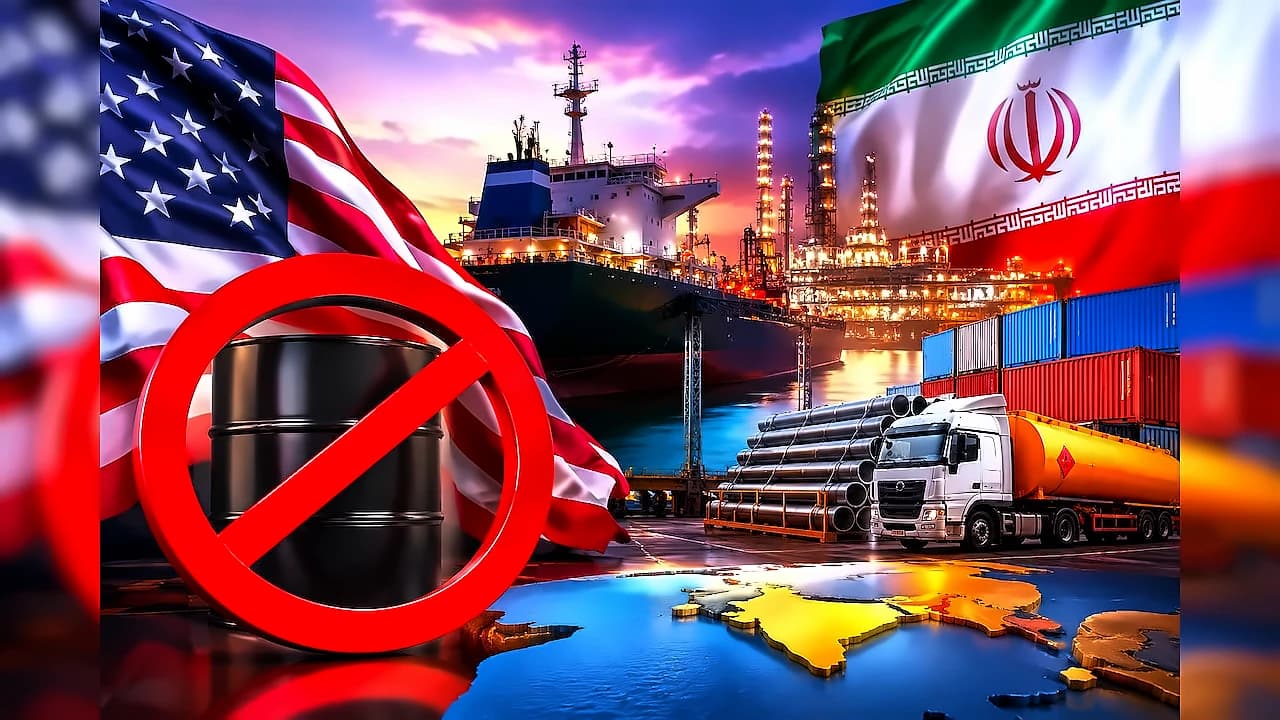
According to reports from NDTV Profit, under the sanctions, property and interests in property of designated persons in the US or controlled by US persons are blocked, while transactions involving such property by US persons are generally prohibited unless authorized or exempt. The US has launched an economic onslaught against Iran, warning countries and entities that continue financial dealings with Tehran to wind down such activities or risk being cut off from the US dollar system. Under the sanctions issued under Executive Orders 13846 and 13949, the assets and properties of the designated individuals and entities that are located in the US or controlled by US persons will be frozen and must be reported to the US Treasury's Office of Foreign Assets Control (OFAC). Companies that are 50% or more owned, directly or indirectly, by sanctioned individuals or entities will also be subject to the restrictions. The expanded sanctions represent a global effort to disrupt Iran's illicit networks, with the Department of the Treasury designating nearly 60 entities, individuals, and identifying vessels as blocked property, targeting entities that enable Iran's illicit procurement, cyber operations, and petroleum and petrochemical product revenue generation networks.