India has welcomed the US-Iran Memorandum of Understanding (MoU) to end the conflict in West Asia with 'cautious optimism', as stated by National Security Advisor Ajit Doval during the BRICS National Security Advisers meeting. According to Business Standard, Doval emphasized that the agreement could stabilise global energy security and remove supply-chain bottlenecks for key commodities and fertilisers. The NSA highlighted that 'the opening of the Strait of Hormuz is a very welcome development' that will remove supply-chain bottlenecks and address shortages in sectors like fertilisers and chemicals. This diplomatic development comes as India navigates its complex relationships with both Iran and Israel while maintaining its strategic autonomy in West Asia.
The India-Israel relationship has been elevated to a 'Special Strategic Partnership for Peace, Innovation and Prosperity' during the February 2026 prime ministerial meeting, as reported by the Ministry of External Affairs. The bilateral agricultural work plan for 2023-2028 includes collaboration in water management, horticulture, mechanisation, post-harvest technology, and capacity building. The India-Israel Agriculture Project has become a flagship initiative, with the Embassy of India in Tel Aviv noting that cooperation is broad and highly visible. This partnership demonstrates India's ability to maintain strong relationships despite regional tensions, with both sides continuing to move forward in practical sectors despite acute regional escalations.
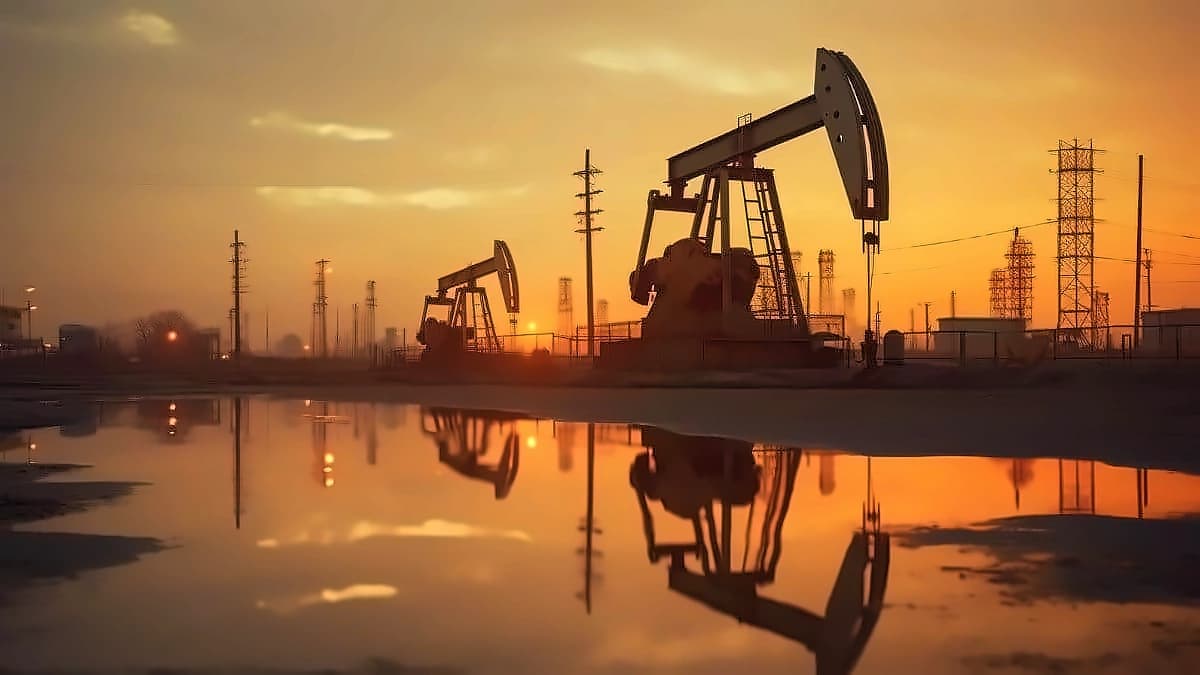
India's energy security faced a fresh test this week as three Indian-flagged crude oil tankers managed to traverse the increasingly volatile Strait of Hormuz just prior to Iran's abrupt closure of the vital shipping lane. The safe passage of these vessels, carrying a substantial cargo for Indian refineries, underscores both the resilience of India's maritime strategy and the growing complexities of global oil trade under mounting geopolitical tensions. As the world's third-largest oil importer, India relies heavily on supplies passing through the Strait of Hormuz, with disruptions threatening domestic fuel availability, inflation, industrial output, and economic growth. Despite the timely escape of the three Indian tankers, reports indicate that other Indian-flagged cargo ships remain stranded on the other side, highlighting the persistent risks to commercial shipping in the region.
India's engagement with Iran continues through the Chabahar Port project, which has shown significant operational progress. According to official Indian data released in May 2024, ₹400 crore had been allocated for the development of Shahid Beheshti Port between FY 2016–17 and FY 2023–24, with ₹201.51 crore already utilised. As reported by the Ministry of External Affairs, India Ports Global Limited signed a ten-year contract with Iran's Ports and Maritime Organisation on 13 May 2024. The port has handled over 450 vessels, 134,082 TEUs of container cargo, and more than 8.7 million tonnes of bulk and general cargo since 2018. Official figures also showed a 43 per cent rise in vessel traffic and a 34 per cent increase in container traffic in 2023–24, indicating the port remains strategically and commercially relevant for India's westward outreach.
The BRICS National Security Advisers meeting witnessed significant diplomatic exchanges, with Iran's representative Ghadir Nezamipour displaying a poster of children killed in a strike on a school in the Iranian city of Minab and accusing the UAE of directly participating in aggression against Iran's civilian infrastructure. As reported by Business Standard, the meeting also saw a heated exchange between senior security officials representing Iran and the United Arab Emirates, repeating the tensions witnessed during the BRICS foreign ministers meeting held in New Delhi on May 14. The meeting, chaired by India's NSA Ajit Doval, brought together security officials from China, Russia, Brazil, South Africa, Egypt, Ethiopia, Iran, and the UAE, with India set to host the BRICS Summit in September 2026. Doval noted that the world is facing 'geopolitical uncertainties, economic strains and disruptive technology' and emphasized that 'multilateralism is on the decline' while BRICS has a major role to play in addressing various challenges.