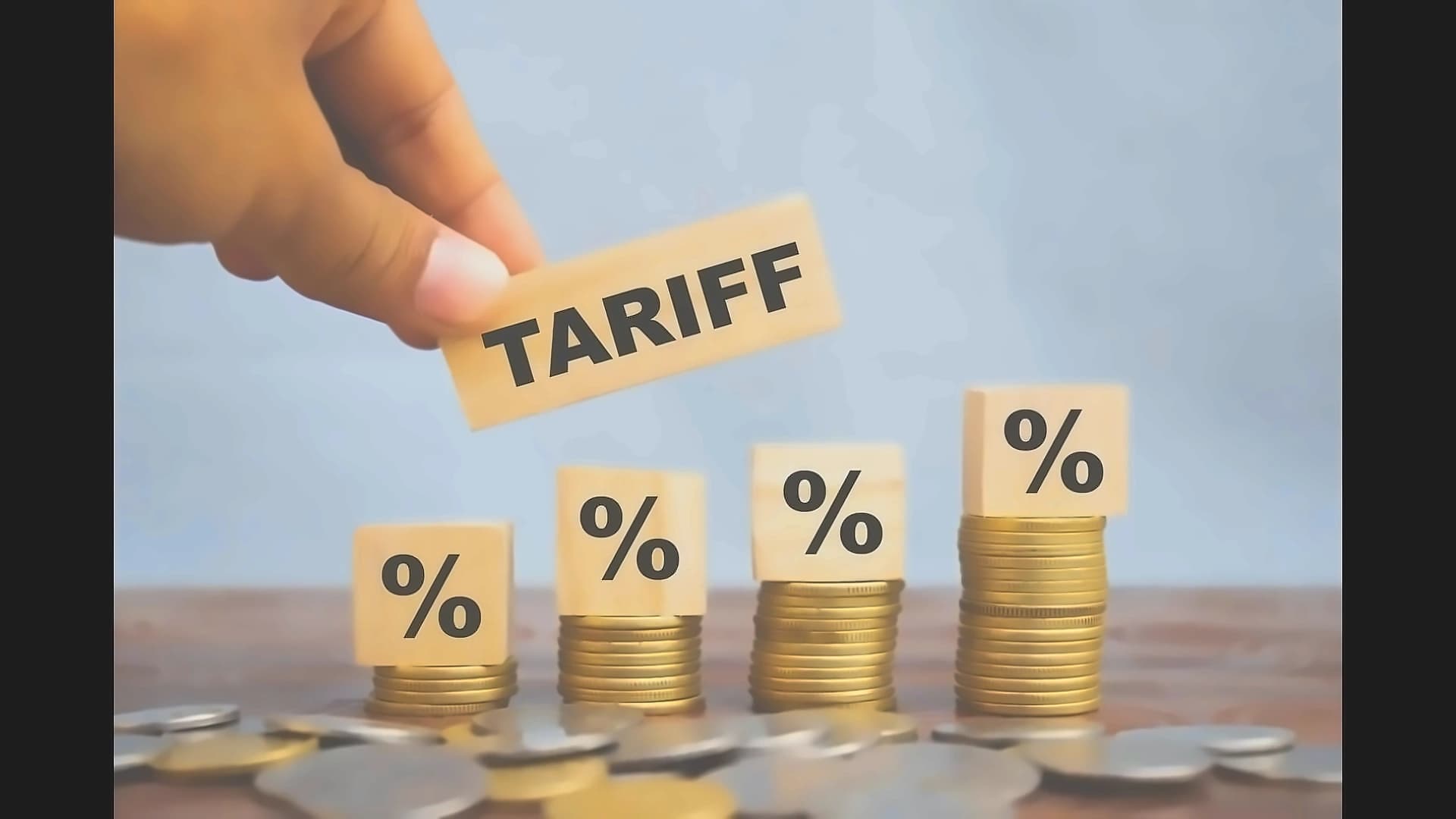
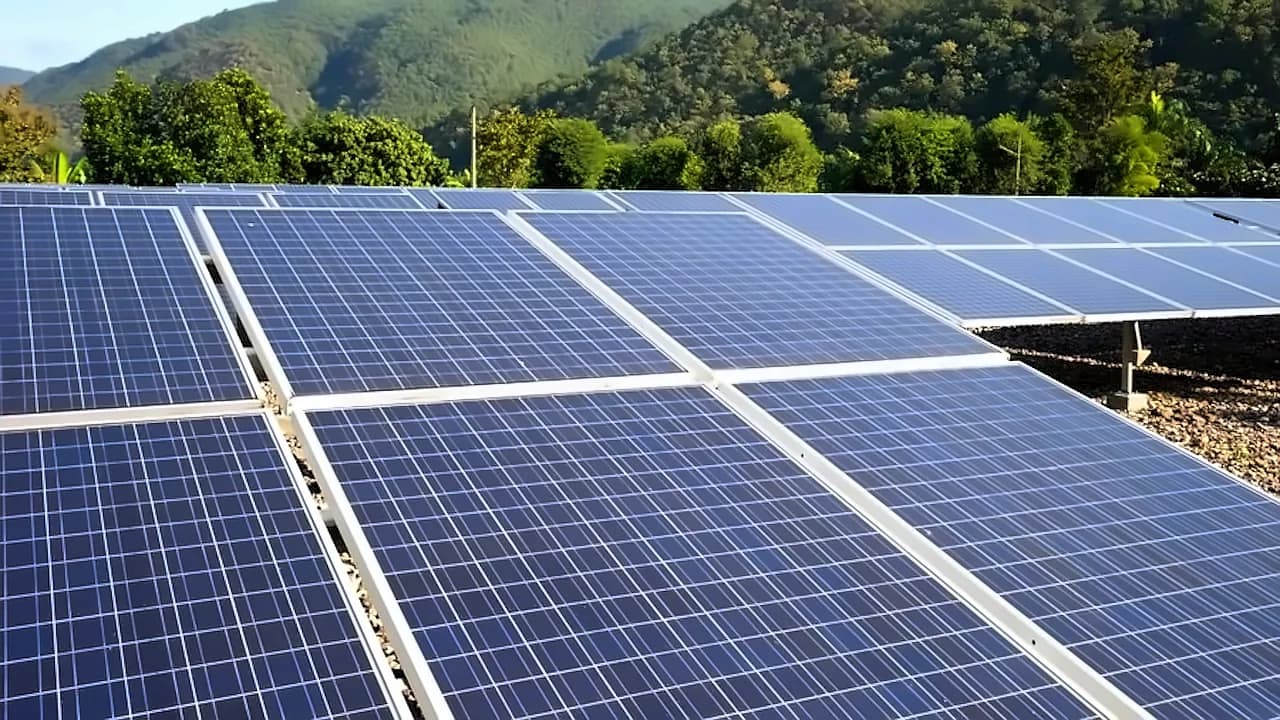
The United States has imposed a preliminary anti-dumping duty of 123.04% on solar cells and modules imported from India, according to reports from The Times of India and Economic Times. The US department of commerce found 'critical circumstances' in its investigation involving firms such as Mundra Solar Energy, Mundra Solar PV, Kowa and Premier Energies. The suspension of liquidation will apply to shipments entered for consumption up to 90 days prior to the order's publication. In a significant development, the US department applied an 'adverse inference' against four companies, alleging they failed to submit necessary information to calculate the duty margin and did not cooperate with requests for data. The latest move targets $4.5 billion in solar imports from the three countries, accounting for roughly two-thirds of total solar imports to the US.
India's solar industry has strongly criticised the decision, with National Solar Energy Federation of India (NSEFI) CEO Subrahmanyam Pulipaka stating that the investigation's findings are 'fundamentally flawed and without any logical basis' as reported by Economic Times. As reported by The Times of India, Indian Solar Manufacturers Association (ISMA) secretary general Amit Manohar indicated the industry would challenge the move through final determination and ITC proceedings, remaining hopeful of a favourable outcome. The NSEFI is drafting a formal representation to contest the preliminary ruling, with industry bodies strongly contesting the US decision. According to Economic Times, the findings come when the two sides are engaged in negotiations for a bilateral trade agreement and wrapped up their three-day talks on Wednesday in Washington, the first in-person talks since October.
The latest duty adds to existing countervailing duties of over 125%, taking the combined tariff burden on Indian solar exports to more than 200%, effectively making shipments to the US unviable. According to industry officials cited by The Times of India and Economic Times, with this kind of tariff stack, Indian modules are effectively locked out of the US market. The decision reflects mounting pressure from domestic manufacturers seeking protection against low-cost imports as the country accelerates its energy transition. The Commerce Department will issue final determinations in the coming months, with a decision on imports from India and Indonesia expected around July 13, while Laos will follow around September 9.
Despite the steep tariffs, exporters have already begun shifting focus to alternative markets such as Europe, West Asia and other emerging regions over the past few years, limiting the immediate fallout. As reported by The Times of India and Economic Times, shares of solar manufacturers saw minor fluctuations on Friday following the news. Waaree Energies closed 2.7% lower at ₹3,320 on the BSE, while Vikram Solar ended down 2.3% at ₹222.4 and Premier Energies recovered from early losses to close 1% higher at ₹1,011.4. The move comes on top of existing countervailing duties of over 125% on Indian supplies, taking the combined tariff burden to over 200%, which had already made exports to the US largely unviable. For US manufacturers, the tariffs offer near-term protection and pricing support, while for developers and buyers, higher import costs could translate into increased prices for solar projects, potentially slowing deployment timelines.