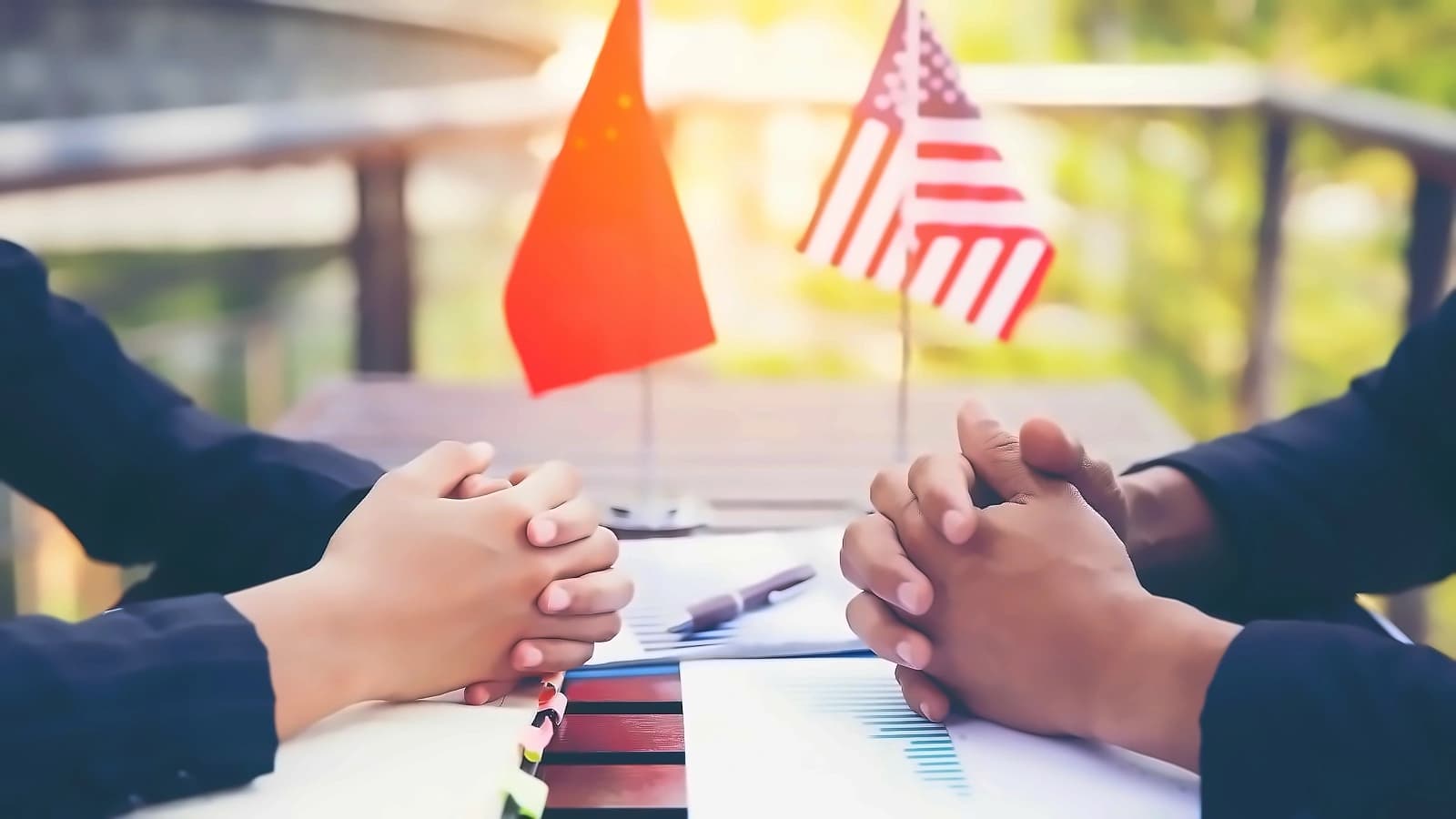
US Treasury Secretary Scott Bessent and Chinese Vice Premier He Lifeng are set to meet on Sunday to prepare for the high-stakes Washington summit between President Trump and President Xi Jinping. According to Reuters reports, the meetings at JP Morgan Chase's headquarters in Manhattan are due to start at about 10:30 a.m. (1430 GMT) and are expected to run all day. Key topics will include the status of a US-China trade truce that is set to expire on November 10, flows of Chinese rare-earth magnets and critical minerals that US officials say are insufficient, and potential guard rails for artificial intelligence after reports of key security breaches. The most likely outcome would be for Washington and Beijing to agree on small steps to show they are continuing to avoid escalating tensions, with analysts noting that 'status quo is probably both sides' general best expectation'. Bessent said on Friday he expects the discussions to cover 'both open- and closed-weight models', with the US remaining the leader in AI while being open to discussions on avoiding shared risks and avoiding bifurcation of the two systems.
Chinese fast-food chains are making significant inroads into the US market, with Mixue opening its first three US stores in December and announcing at least two dozen more planned locations across four states. According to reports from Associated Press, the company's New York store in Herald Square drew crowds waiting in cold weather to sample soft-serve ice cream, fruit teas, and milk tea with toppings like coconut jelly and taro balls. At least nine other mainland Chinese chains have made their US debuts since 2023, with Heytea operating 40 US locations and Luckin Coffee establishing 20 stores in New York. Wallace, a chain founded in 2000, has grown to more than 20,000 restaurants by selling American-style chicken and hamburgers in China, and recently opened its second US location in California. As reported by Associated Press, 'Despite political tensions between the U.S. and China, Chinese actually still go crazy for American brands' according to Shaun Rein, founder and managing director of the Shanghai-based China Market Research Group.
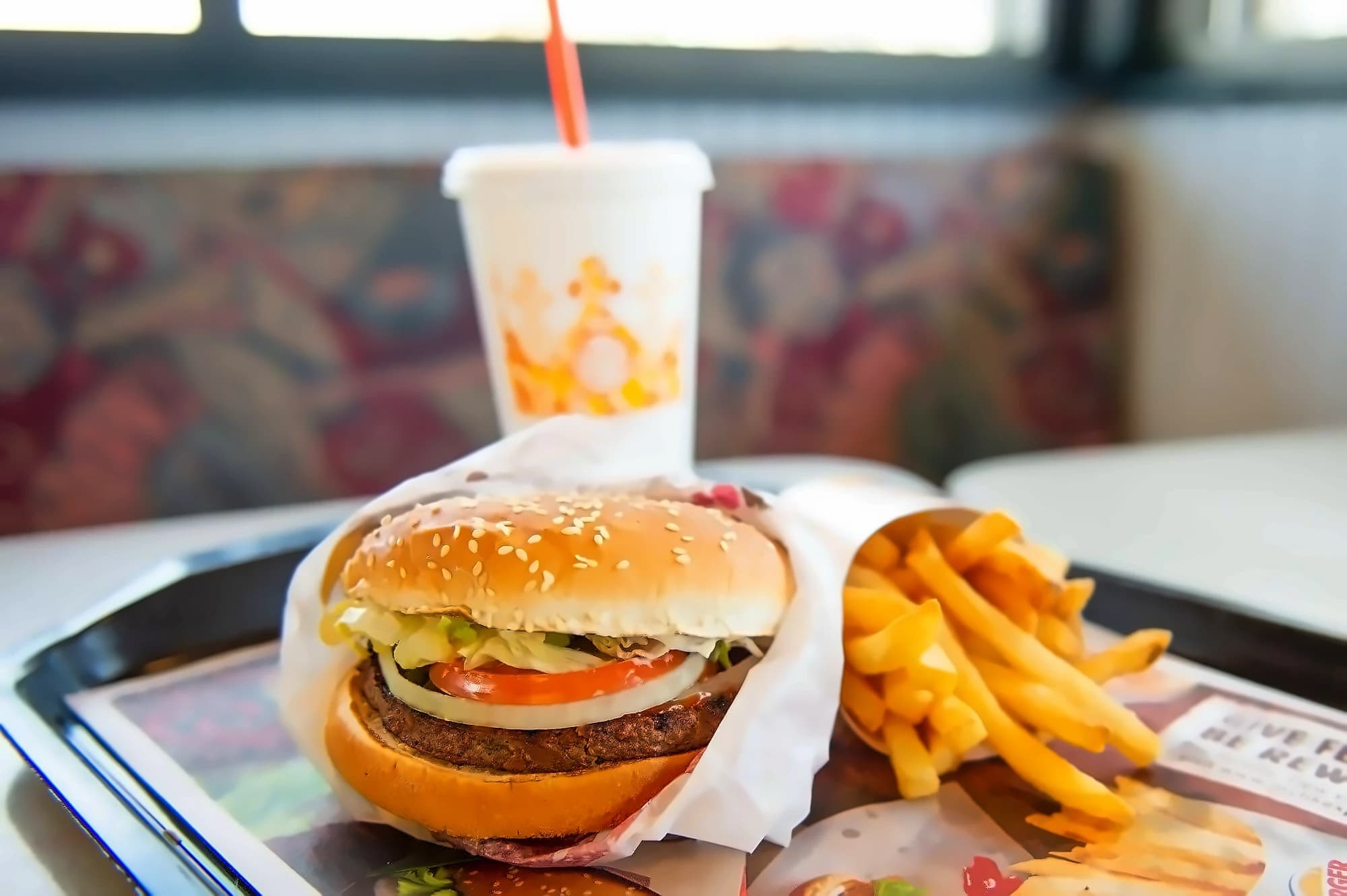
American restaurant chains are rapidly expanding their presence in China, with Wendy's anticipating opening 1,000 restaurants there over the next decade. As reported by Associated Press, McDonald's plans 1,000 new Chinese restaurants this year and 10,000 total by 2028, while Burger King expects to triple its store count to 4,000 by 2035. Church's Texas Chicken opened its first Shanghai location last month, with plans for at least 600 more across China. The expansion is driven by China's four times larger population compared to the US, creating substantial customer potential. KFC became the first major American fast-food chain to enter mainland China in 1987 and now operates about 13,000 restaurants in China compared with around 3,750 in the US, making China its largest market. According to Associated Press, 'McDonald's and KFC were a beacon of health and hygiene compared to what you had in the rest of the market' when they arrived in 1990.
The American restaurant industry presents both opportunities and challenges for Chinese brands amid the current trade tensions. According to Associated Press reports, the US market accounts for one-third of global restaurant revenue despite having only around 4% of the world's population. However, Chinese brands face pricing pressures, with a medium matcha latte at Mixue costing $6.83 compared to nearly $1 more at nearby Starbucks. Wallace sells three full-size chicken sandwiches for $10, while many Chinese brands compete heavily on price. The average life span of China's 16 million restaurants and chains was expected to fall to 15 months last year, according to a US government report, prompting many chains to seek international expansion opportunities. As reported by Associated Press, 'The Chinese can build stuff cheaper and faster. Why would that not apply to food?' according to Aaron Allen, founder of restaurant consulting firm Aaron Allen and Associates, though Chinese brands could face customer backlash or higher tariffs if they undercut U.S. rivals with low-cost Chinese imports.
The fast-food expansion represents what industry experts describe as 'gastrodiplomacy' between the two superpowers, even as current trade tensions create uncertainty. As reported by Associated Press, 'Consumerism builds a safe, introductory channel for contemporary Chinese culture and can be a great way to elevate China's soft power' according to Yaling Jiang, founder of ApertureChina, a market research company with headquarters in Shanghai and London. 'Bilateral trade in burgers and bubble tea is business- and consumer-led gastrodiplomacy in action' as noted by Yaling Jiang. American brands trade on their signature products while tailoring menus to Chinese tastes, with KFC restaurants in China serving french fries, Original Recipe chicken, custardy egg tarts, and congee alongside traditional Chinese dishes. Chinese chains like Mixue serve soft-serve ice cream, fruit teas, and milk tea with toppings popular in China. 'Consumerism builds a safe, introductory channel for contemporary Chinese culture' and can elevate China's soft power, according to Yaling Jiang. The trend reflects what industry observers call 'Chinamaxxing', a social media movement where Westerners adopt Chinese lifestyle habits and wellness practices.