Coffee has emerged as the newest battleground for India's quick-service restaurant chains, with companies traditionally known for burgers, pizzas and fried chicken betting on premium beverages to drive higher margins and increase average order values. McDonald's, Domino's, Burger King and KFC are all expanding their beverage offerings as India's café culture gathers pace, turning coffee into one of the fastest-growing and most margin-accretive categories in the organised food service market. The shift comes as India's coffee culture continues to expand rapidly, with India's coffee shops and cafés market projected to grow from $424 million in 2025 to $1.152 billion by 2034, registering a compound annual growth rate of 11.4 percent according to market research firm IMARC Group. Industry executives say specialty beverages help restaurants improve profitability because of their relatively low input costs and strong pricing power, with beverages often being impulsive buys that can be prepared quickly, ultimately helping boost same-store sales and revenue.
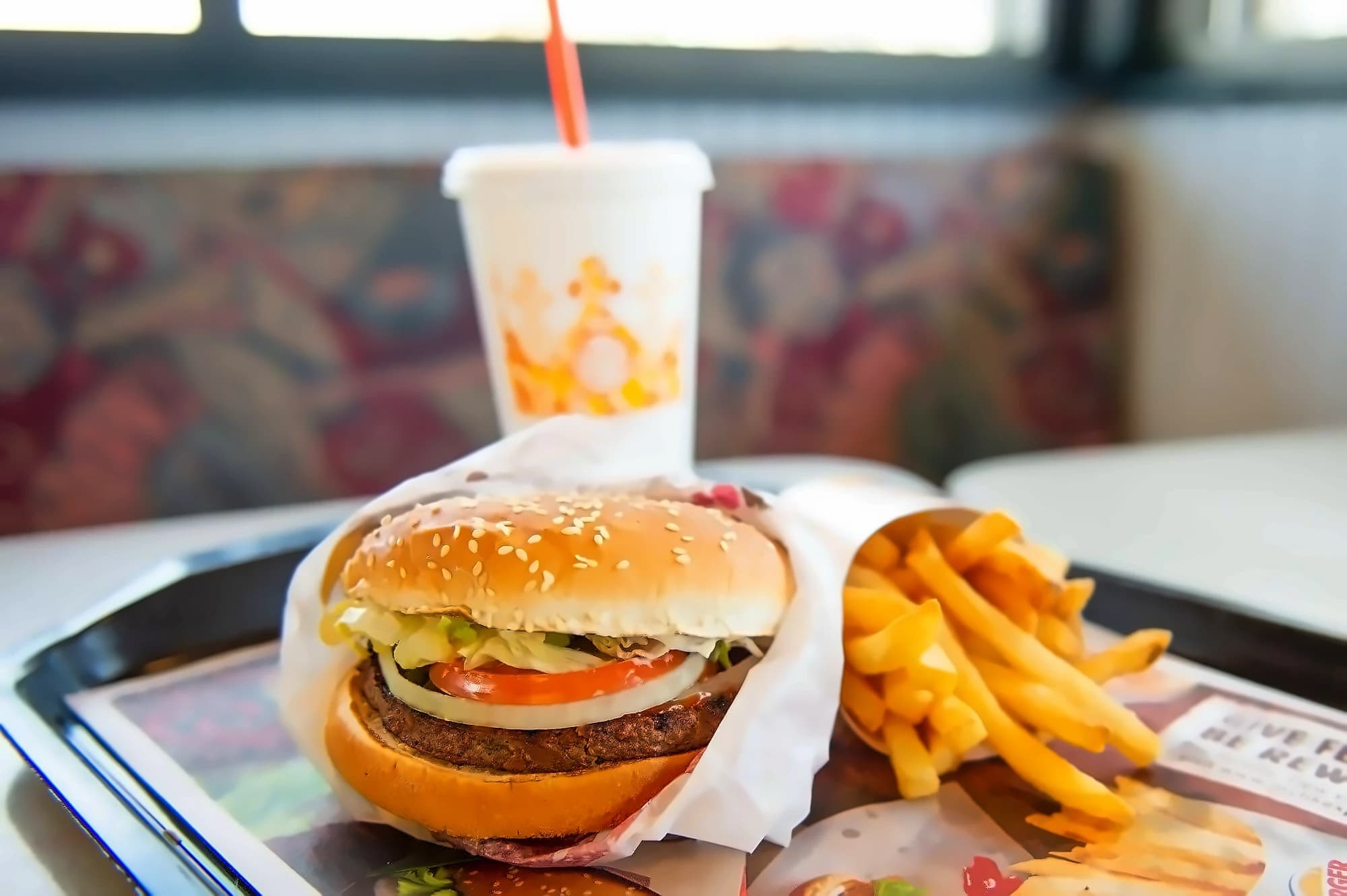
Restaurant chains across India are expanding their product offerings as customer traffic improves, moving beyond their traditional value meal strategies. Burger King India reported 12.6% same-store sales growth in the June quarter, marking the highest growth in 15 quarters according to Restaurant Brands Asia Ltd. CEO Rajeev Varman. The company launched a Korean premium range followed by peri-peri products in July, with both promotions drawing significant traffic. Burger King's revenue rose 23.6% year-on-year to ₹682 crore in the June quarter, demonstrating the success of their premium product strategy. The latest market analysis shows that biryani continues to remain one of India's strongest food categories, cutting across age groups and city tiers, with brands like Biryani Queen positioning themselves within this high-demand segment through regional varieties and quick-service operations.
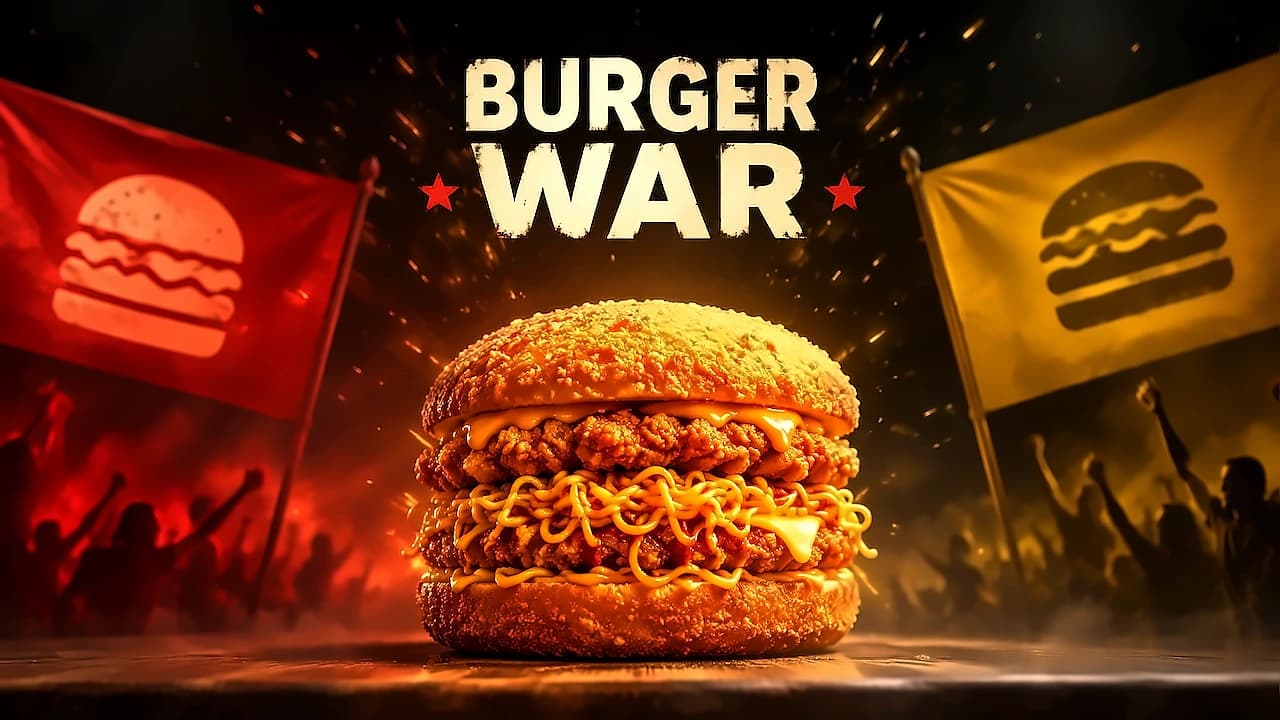
Sapphire Foods India Ltd. has accelerated its product launch pace, introducing Double Chicken Dynamite during the June quarter - described by Group CEO Sanjay Purohit as two chicken fillets with "a layer of noodles and cheese" between them. The company had previously launched Dunked products where chicken pieces are dunked into sauce rather than having sauce added on top. KFC's business reported 5% same-store sales growth in the June quarter, with dine-in and takeaway increasing to 59% of sales from 57% a year earlier. The company continues testing its ₹99 Chicken Krisper meal after earlier value campaigns failed to generate expected transaction increases. The latest market trends indicate that bubble tea and Korean-inspired quick-service brands have emerged as one of India's fastest-growing youth-led food categories, with brands like Boba Bhai combining beverages with Asian-inspired fast food offerings at the intersection of café culture and affordable snacking.
Westlife Foodworld Ltd., operating McDonald's restaurants in western and southern India, reported its strongest topline growth, highest same-store sales growth and fastest guest-count growth in recent history during the June quarter. CEO Akshay Jatia emphasized that "every one of those numbers is being led by more people walking into McDonald's more often." The company has rolled out McCafé across all its 482 restaurants in 79 cities and plans to expand the format to between 580 and 630 outlets by December this year. Connaught Plaza Restaurants, which operates McDonald's in North and East India, has expanded McCafé to 200 outlets as India's coffee culture evolves, driven by younger consumers. McDonald's has separately experimented with menu additions including a protein slice that can be added to products, demonstrating their commitment to diversifying beyond traditional offerings.
The latest entrant in India's coffee war is Devyani International, which operates KFC in India. The company plans to introduce Kwench, KFC's beverage-focused sub-brand offering iced coffees, crunch shakes and sparkling lemonades. As per Manish Dawar, President and Group Chief Executive Officer of Devyani International, the company is discussing experiments with Kwench in India after completing most of the homework on CapEx and product optimization. "Most of the homework on Kwench is done from a CapEx and a product optimisation perspective and we are planning on when the test launch will start," Dawar said, adding that the company first needed to optimize the products for Indian tastes and conditions. The move reflects a broader strategy adopted by QSR operators who increasingly view beverages—particularly specialty coffees—as one of the most profitable segments of their business.