India is enhancing its focus on South America as part of its trade diversification strategy, with Commerce Secretary Rajesh Agrawal visiting Argentina and Brazil from August 24-28 to strengthen trade ties. According to official sources, talks for a comprehensive trade agreement with Chile are in advanced stages, with only a few issues remaining to be resolved. The secretary will chair joint trade meetings in Argentina and Brazil and take stock of progress on the proposed agreement with Chile. Discussions will also cover expanding the preferential trade agreement with Mercosur, as both sides are looking at ways to further boost trade ties with these major South American markets. As reported by The Economic Times, India is also negotiating preferential trade agreements with Mercosur and exploring options with Mexico, demonstrating a comprehensive approach to diversifying export markets.
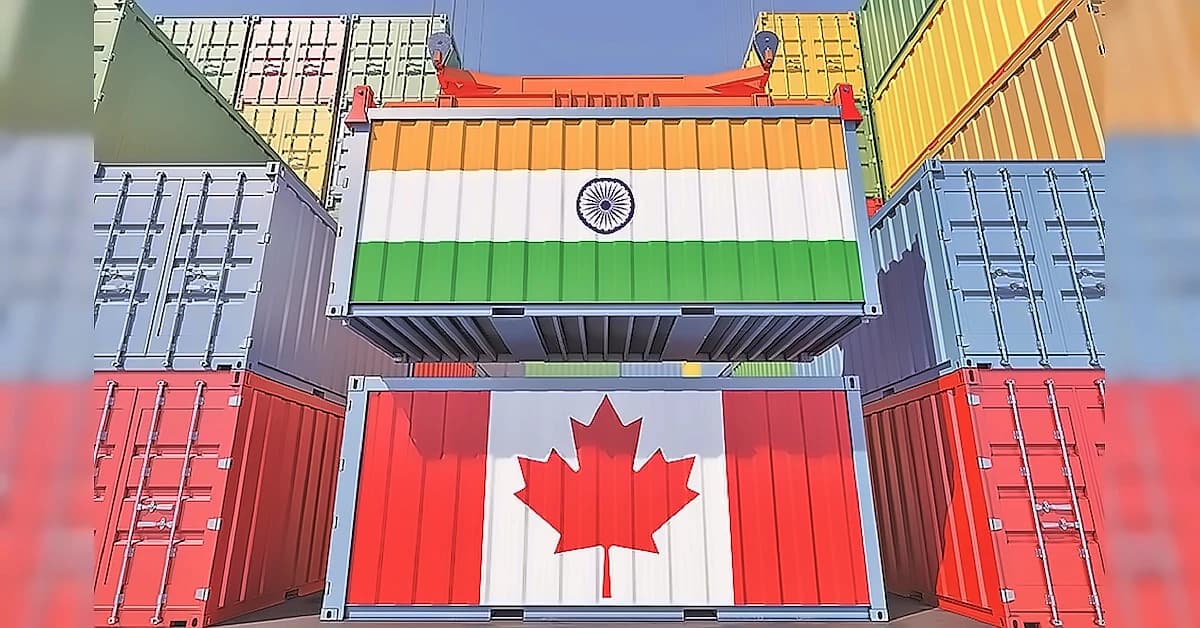
The collapse of US-Canada trade talks has created potential leverage for India's ongoing Comprehensive Economic Partnership Agreement (Cepa) negotiations. According to reports from Business Standard, the US imposed 50% tariffs on $20 billion worth of Canadian goods after talks collapsed on Saturday, with Ottawa vowing to impose 'dollar-for-dollar' retaliatory tariffs from September 8. This development could provide India additional negotiating power as Canada seeks to diversify its trade relationships while facing deteriorating ties with its largest trading partner. Commerce Minister Piyush Goyal highlighted these developments alongside ongoing negotiations with Chile, Mexico, SACU, and the Eurasia bloc, as reported by The Economic Times.
As reported by Business Standard, Canadian Prime Minister Mark Carney stated that Canadian businesses now enjoy tariff-free access to 1.5 billion consumers, with plans to double that number through new trade deals from ASEAN to India over the next six months. Economist and former Niti Aayog member Arvind Virmani emphasized the urgency, posting on X: 'We need to accelerate signing and implementation of an India-Canada Cepa. We don't have any time to waste!' This represents a significant opportunity for India to expand its market access to Canada's 41.65 million people and $2.34 trillion GDP market. Meanwhile, India's free trade talks with Israel and the GCC are temporarily paused, while discussions with Canada are progressing rapidly, as reported by The Economic Times.
India and Chile implemented a Preferential Trade Agreement (PTA) in 2006 and are now negotiating to widen its scope for a CEPA (Comprehensive Economic Partnership Agreement). The two countries have held four rounds of negotiations, with the last round held in December 2025. Since the last engagement, there has been a change of government in Chile following the December 2025 elections, with a conservative government led by Jose Antonio Kast assuming office on March 11, 2026. As per official sources, the new government in Chile is keen on the agreement, with both sides looking to find solutions to the pending issues. The CEPA aims to build upon the existing PTA between the two nations and seeks to encompass a broader range of sectors, including digital services, investment promotion and cooperation, MSMEs (micro, small and medium enterprises), and critical minerals. Commerce Secretary Rajesh Agrawal will visit Chile this month for trade talks, as reported by The Economic Times.
Recent bilateral trade data shows significant growth across India's South American relationships. According to official sources, India-Argentina bilateral trade in 2025-26 rose 25.5% to $5.96 billion (India's exports $1.01 billion and imports $4.95 billion) from $4.75 billion. India-Brazil bilateral trade increased 23.48% to $15 billion (India's exports $7 billion and imports $8 billion) from $12.2 billion. India-Chile bilateral trade jumped 66.45% to $6.25 billion (India's exports $1.22 billion and imports $5.03 billion) from $3.75 billion. These strong performance figures demonstrate the growing economic ties between India and these South American nations. As reported by The Economic Times, India also pursues trade agreements with Mercosur, Mexico, and Kenya, while targeting a doubling of India-Greece trade by 2030 through collaboration in shipping, clean energy, and technology.
As reported by Business Standard, Ajay Srivastava, founder of Global Trade Research Initiative, warned that Canada's experience serves as a cautionary tale for India's own trade negotiations with Washington. He emphasized that 'New Delhi should seek clear, binding and durable tariff concessions before making commitments on agriculture, digital regulation, critical minerals or government procurement.' Srivastava stressed that India should protect its regulatory and strategic autonomy, noting that an agreement offering only reduced US tariffs while leaving Washington free to impose fresh duties would provide little certainty. The government emphasizes inclusive stakeholder consultations for all trade pacts, contrasting with previous trade negotiation practices, as reported by The Economic Times.