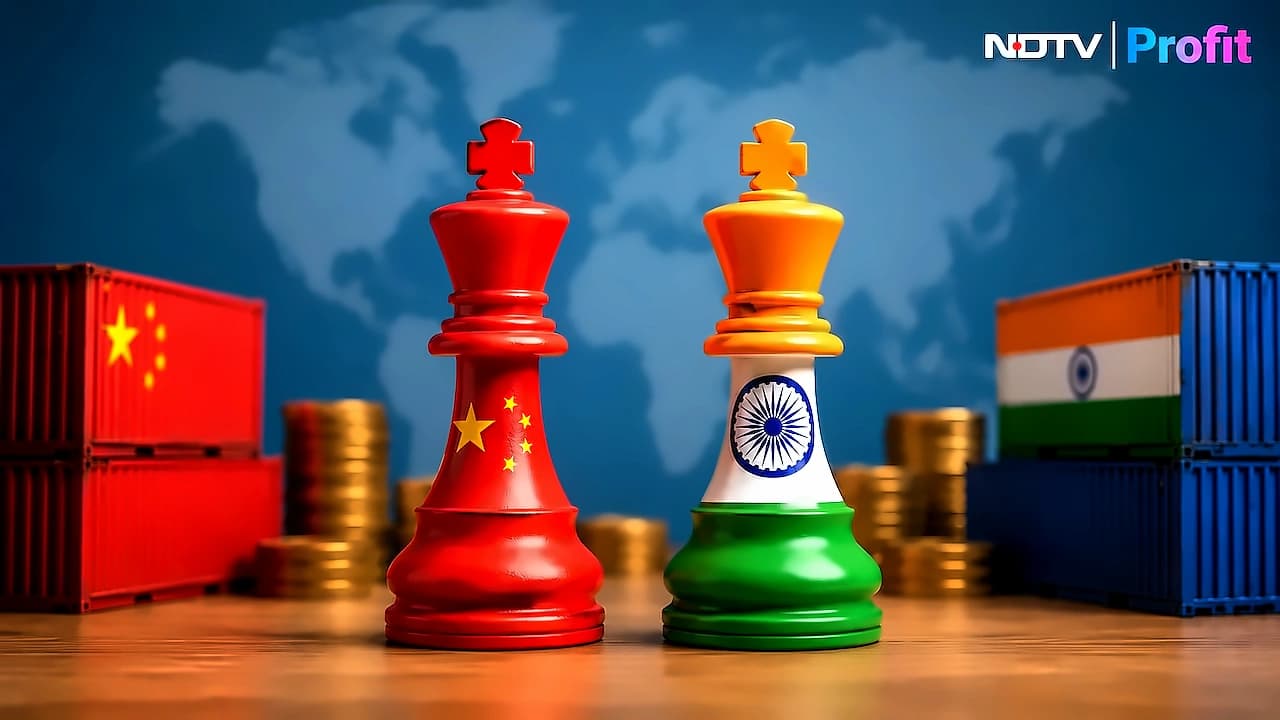
Commerce Minister Piyush Goyal announced at the Bloomberg New Economy Forum that India is actively working to develop relations with China once again, while emphasizing that the journey remains unfinished. Speaking during a panel discussion on supply-chain resilience and technology partnerships, Goyal stated that the country is open to engagement with all nations provided they offer fair deals, continuity in engagement, and stable geopolitical conditions. According to reports from PTI, Goyal said "We are open to all countries around the world as long as we get a fair deal, as long as we ensure continuity in the engagement, and as long as the geopolitical situation does not deteriorate. I think we had some concerns in the past. We are working to develop relations with China once again, but the last word has not yet been scripted on this journey."
The minister's comments follow Prime Minister Narendra Modi's meeting with Chinese President Xi Jinping on September 12, 2026, on the sidelines of the BRICS Summit in New Delhi. As reported by Rediff Moneynews, the leaders discussed structural trade imbalances, supply-chain issues, and facilitation of meaningful and predictable market access. Goyal also met his Chinese counterpart during the Brics Summit, marking Xi's first visit to India in seven years. The diplomatic engagement comes after the Galwan Valley border conflict in 2020, which had strained bilateral relations between the two nations. Speaking about current geopolitical challenges, Goyal noted that "Everybody has recognised the importance of friends, and that's going to be the most important critical element in the years to come," as reported by PTI.
Bilateral trade between India and China rose 7.9% in 2025-26 to $151.10 billion from $118.39 billion in 2024-25, according to PTI reports. India's exports to China grew 36.62% to $19.47 billion in 2025-26 from $14.25 billion a year ago, while imports rose 16% to $131.62 billion during the period. However, the trade deficit widened to $112.16 billion in 2025-26 from $99.21 billion in 2024-25, as reported by PTI. This represents an area of concern for the country, with China remaining India's second-largest trading partner. In the April-August 2026 period, China was among the top three export destinations for India with exports reaching $9.61 billion. There are also ongoing issues related to investments from China as India has tightened its FDI policy for countries sharing land borders with it.
Goyal emphasized that India's relationship with the United States remained strong and was expected to improve further, describing it as consequential for both countries and the wider world. Speaking about the US partnership, Goyal said "I think the U.S. and India have a very, very consequential relationship, and it's only going to get better," adding that the ties were supported by economic, political and security imperatives and would remain strong despite changes in political thinking in either country. As reported by PTI, Goyal noted that "The partnership extended beyond trade, with the US being India's largest trading partner, to defence, technology, critical minerals and people-to-people ties." The minister highlighted that countries were increasingly seeking to develop their own technologies and equipment supply chains, making cooperation among trusted partners important. He said "It may not be possible that we can replicate what one or two countries have been able to do at really big scale unless we join hands, unless we work together."
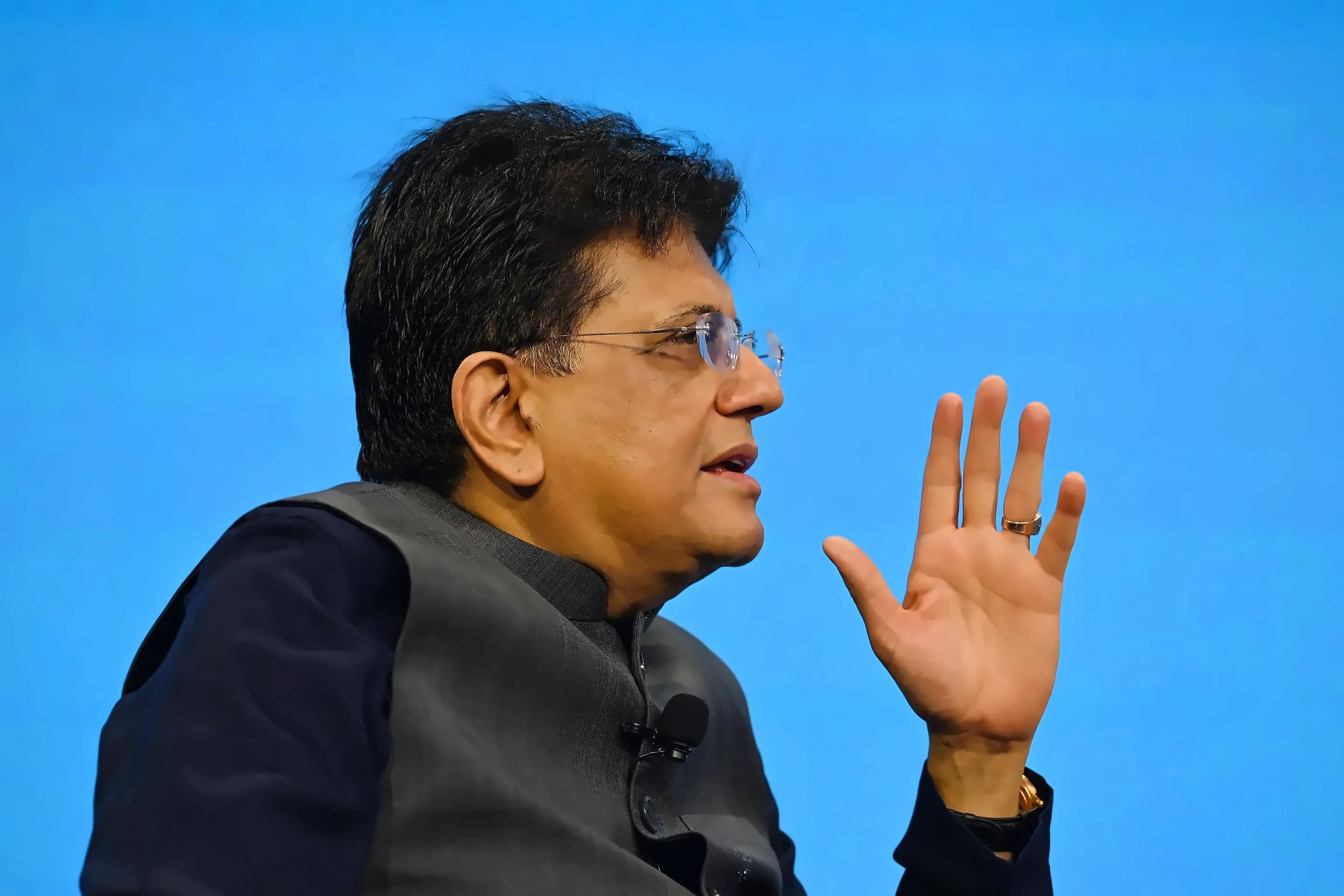
Goyal emphasized India's focus on self-reliance (Atmanirbhar Bharat) after supply chain disruptions during Covid, highlighting the country's vulnerabilities during the pandemic. As reported by PTI, the minister recalled that "During Covid, we really recognised the vulnerabilities that a nation like India, a large nation of 1.4 billion people, had to go through when supply chains were broken." Goyal noted that "When we needed Pfizer and Moderna vaccines, the West refused to give it to us... They even refused to make an application to get the vaccine into the Indian market, even though we were willing to waive all the conditions." In response to these experiences, Prime Minister Narendra Modi gave the clarion call for Atmanirbhar Bharat, with Goyal stating that "We are open to all countries around the world as long as we get a fair deal, as long as we ensure continuity in the engagement, and as long as the geopolitical situation does not deteriorate." The minister said India was not pursuing isolation but wanted to balance self-sufficiency in critical sectors with efficiency.