US Trade Representative Jamieson Greer signaled confidence that the administration can implement new tariffs without breaking existing bilateral agreements, stating "a deal's a deal" for economies like the European Union and Japan that negotiated caps on US levies. The EU and US agreed to a free-trade deal in July that would see the bloc erase levies on US industrial goods in exchange for a 15% tariff ceiling on its exports. As reported by Business Standard, Greer told reporters at the OECD in Paris that "we understand that a deal is a deal" and "we want to make sure that we are able to resolve the trading practices that are identified as problematic in our investigations and we're going to take into account the Turnberry deal, of course." The EU's trade chief Maros Sefcovic echoed this sentiment, emphasizing that "this is absolutely crucial for us that at the end of the process we would end up well within the Turnberry parameters and for this this is 15% all-inclusive."
The Trump administration has announced plans for 10% tariffs on goods from approximately 60 countries, while 12.5% tariffs will apply to China, India, Japan, South Korea, Brazil and Switzerland. According to the Office of the US Trade Representative, these tariffs stem from a Section 301 investigation into alleged forced labour risks in supply chains. The investigation initially covered approximately 60 economies over forced labour concerns, with the administration arguing that imports made under such conditions undercut US industry. As reported by Reuters, the USTR has proposed a 10% tariff on imports from Canada, the European Union, Mexico, Indonesia, Pakistan, Bangladesh, Cambodia, Malaysia, Taiwan and the United Kingdom, while products from India, China, Japan, South Korea, Brazil and Switzerland would face the 12.5% levy. According to Business Standard, India is among the 54 economies that USTR said had failed to impose and effectively enforce a prohibition on the importation of goods produced with forced labour, alongside Australia, Bangladesh, Brazil, China, Japan, South Korea, Sri Lanka, Switzerland, Turkiye, the United Arab Emirates, the United Kingdom and Vietnam.
Ambassador Jamieson Greer emphasized that the failure of trading partners to address forced labour goods is unacceptable, creating an uneven playing field where American workers compete globally. As reported by Reuters, Greer stated that "The failure of our most important trading partners to address the importation of goods made with forced labor is unacceptable." The USTR's report argues that many other economies have not adopted comparable import restrictions, allowing goods made wholly or partly with forced labour to circulate in global markets. According to Business Standard, the investigations covered economies from which 99.40% of US imports are shipped, demonstrating the significant scale of affected trade relationships. The absence of forced labour import prohibitions distorts market conditions, allows firms using forced labour inputs to lower costs, hurts companies that do not use forced labour, and contributes to the circumvention of existing US forced labour import bans. Greer noted that China received advanced notice on the forced-labor announcement and that consultations will continue, stating "We're being very responsible about the relationship" and "we have to protect our economy, we have to have a certain level of tariffs."
The timing of these tariff proposals creates additional economic risks, as the global economy already faces multiple sources of pressure. Energy markets remain vulnerable to geopolitical tensions involving Iran and the wider Middle East, with oil prices becoming increasingly sensitive to developments in the region, creating renewed inflation concerns. Inflation has proven more persistent than many policymakers expected, with businesses and households facing elevated costs across financing, energy, insurance and labour. Adding broad new tariffs into this environment risks creating another source of pressure for companies and consumers. As noted by Investing.com, businesses have spent years restructuring supply chains, diversifying suppliers and relocating production, with the easiest adjustments already made. Further changes become progressively more expensive, more complex and less efficient, making companies face a far more difficult environment in which to absorb additional costs.
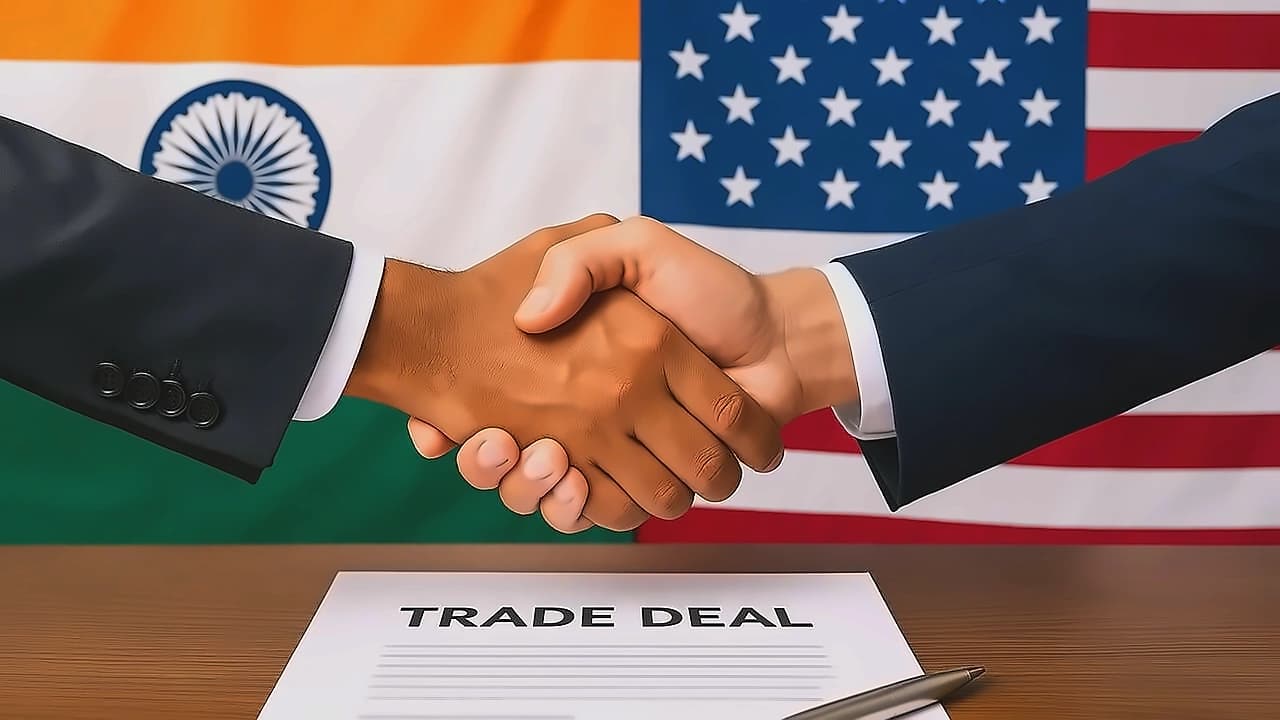
The timing of the USTR proposal adds significant complexity to ongoing India-US trade negotiations. A US delegation headed by chief negotiator Brendan Lynch is currently in New Delhi for trade talks with Indian officials from June 1-4, as part of efforts to close an interim trade agreement under the broader bilateral trade agreement framework. The two countries had announced a framework for an interim agreement in February 2026, reaffirming their commitment to the wider bilateral trade negotiations. For India, the USTR move adds a new compliance layer to trade talks that have already focused on tariffs, market access, non-tariff barriers and sectoral sensitivities. It also places labour-linked supply chain rules more firmly on the negotiation table, potentially complicating the interim agreement process and requiring India to address forced labour compliance issues. Canada's trade minister LeBlanc noted just this week that his country has been preparing for precisely this type of Section 301 investigation, highlighting the global scope of these compliance challenges.
A temporary 10% global tariff imposed earlier by Trump under Section 122 of US trade law will lapse in July, creating pressure to complete current investigations. As reported, officials describe Section 301 tariffs as more adaptable and durable than emergency measures, though the process demands more time and public consultation. Despite the broad scope of the proposal, several categories of goods have been excluded from the duties. According to the USTR, products such as energy supplies, rare earth materials, certain metals, beef, coffee, selected fruits and vegetables, pharmaceuticals, organic chemicals and aircraft parts would be exempt from the proposed duties. The USTR has also proposed a textile mechanism that would allow a certain volume of apparel and textile imports from some economies to enter the US at a reduced Section 301 tariff rate. Key economic partners have so far mostly avoided tit-for-tat measures, preferring negotiated arrangements, but the new tariffs could strain this restraint, especially for countries facing the higher 12.5% rate. The tiered structure of 10% for most partners and 12.5% for China, India, Japan, South Korea and others reintroduces the country-by-country architecture of Trump's original tariff agenda in a form that courts are less likely to invalidate.