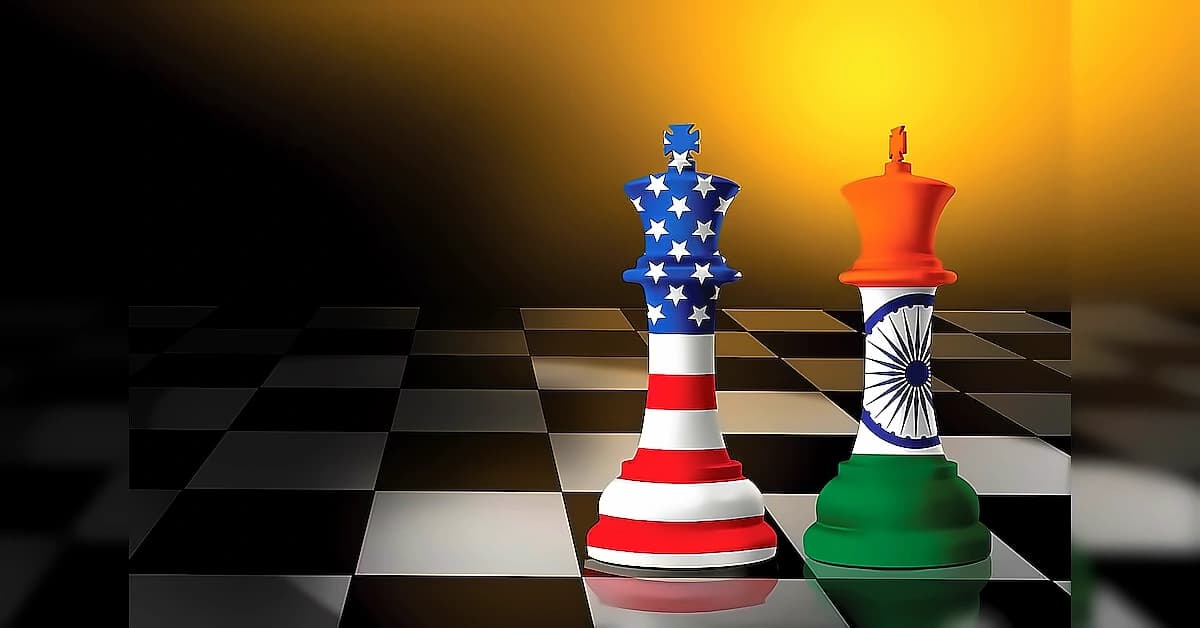
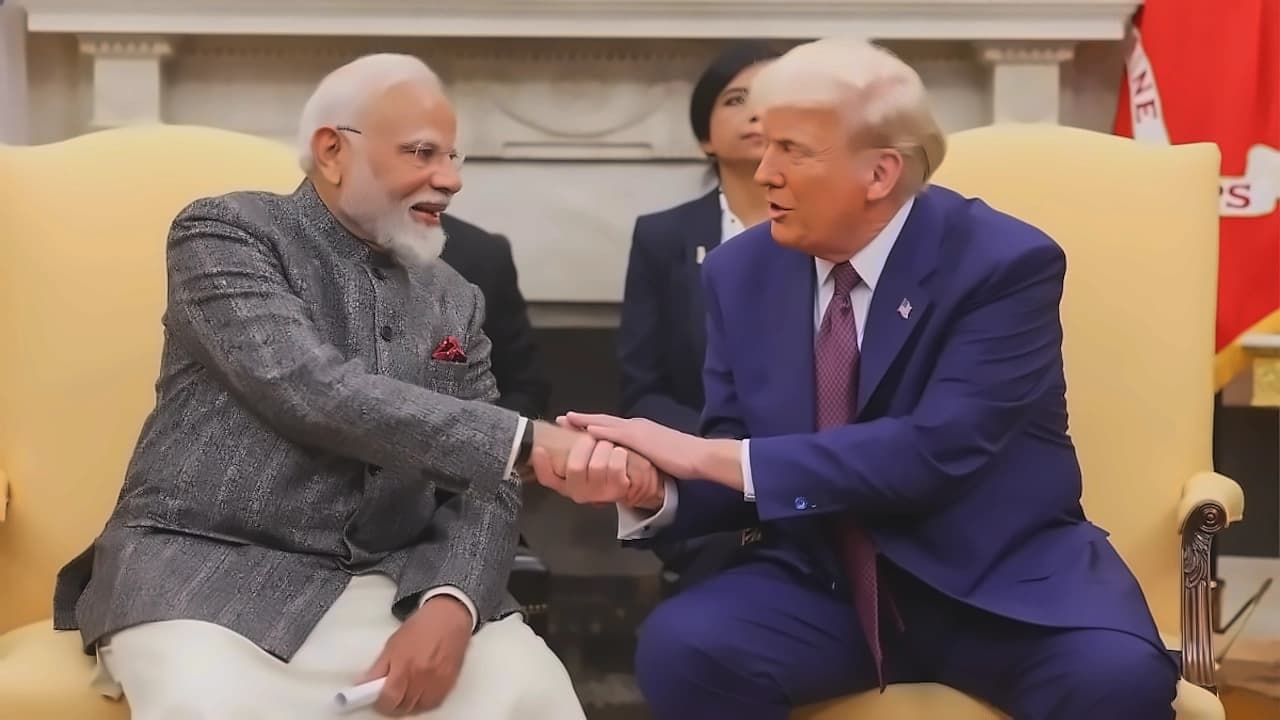
The United States has emphasized the 'robust strategic partnership' with India following Secretary of State Marco Rubio's recent visit to India from May 23-26. According to State Department Spokesperson Tommy Pigott, the strong ties between the two countries were on full display during Rubio's trip, with 'real deliverables' discussed including critical minerals and technology cooperation. Pigott highlighted that 'One of the things that happened in the trip was that Secretary (Rubio) personally delivered President Trump's invitation to (PM) Modi to come to Washington,' describing this as 'a testament to the great relationship between President Trump and Modi, but also the great relationship and the strategic partnership we have between our two nations.' Rubio met Modi shortly after arriving in New Delhi and, on behalf of Trump, invited the Prime Minister to visit the White House in the near future, with the US Secretary of State describing India as the 'cornerstone' of Washington's Indo-Pacific strategy.
India and the United States concluded another round of negotiations for the proposed Bilateral Trade Agreement (BTA) on Thursday, with both sides expressing satisfaction with the progress. According to the Commerce Ministry, negotiating teams held 'constructive and positive' discussions covering trade in goods, non-tariff measures, customs and trade facilitation, economic security alignment and other areas of mutual interest. US President Donald Trump expressed confidence that the United States and India would reach a trade agreement, telling reporters at the Oval Office on Thursday. As reported by Press Trust of India, Trump stated 'We will get to a deal because I like your prime minister a lot. He is a good friend of mine. We get along great, and we are gonna make a deal.' The latest developments demonstrate continued momentum in the diplomatic process despite ongoing trade tensions.
Trump addressed longstanding trade tensions between the two nations, stating that India had taken advantage of US policies for years and charged 'tremendous tariffs' to American companies. As reported by Press Trust of India, Trump emphasized 'They charged tremendous amounts of tariffs to our companies, and we didn't charge them anything.' Trump highlighted specific cases, including 'In the past, they wouldn't let Harley-Davidson sell its motorcycles. They charged a 200% tariff, so Harley-Davidson was precluded.' According to the latest reports, Trump contrasted this with current policies, stating 'They sold motorbikes here, too. You know (how much) we charged them? Nothing. And now it's the exact reverse. We're making a lot of money with India.'
Efforts to strengthen economic relations received a significant boost earlier this year. Following a telephone conversation between Trump and Modi in February, the two governments announced a roadmap for the first phase of a Bilateral Trade Agreement (BTA). As part of the preliminary understanding, the United States agreed to lower tariffs on Indian exports from 50 percent to 18 percent, aiming to encourage greater trade flows between the two nations. The latest round of negotiations was held under the framework agreed by India and the US in a joint statement issued on February 7, 2026, which envisaged an interim trade arrangement and paved the way for broader negotiations on a bilateral trade agreement. According to officials familiar with the discussions, the talks were productive and helped narrow differences on several key issues, with both sides now focused on finalizing an interim agreement while simultaneously working toward a larger BTA.
A US delegation was in India earlier this week and concluded four days of negotiations on an interim bilateral agreement on Thursday. According to India's commerce ministry, as reported by Business Standard, the trade talks were marked by a 'spirit of cooperation and pragmatism', with both sides reaffirming their commitment to concluding a mutually beneficial agreement that strengthens bilateral trade and economic ties. The delegation from the Office of the United States Trade Representative (USTR), led by its chief negotiator, was in New Delhi from June 1-4 for discussions under the framework agreed upon by the two countries earlier this year. Negotiators examined a range of topics, including customs processes, trade facilitation measures, non-tariff barriers and economic security cooperation. Recent statements from senior officials have further fueled optimism, with U.S. Ambassador to India Sergio Gor indicating that negotiations had entered the final stretch, with only a handful of issues yet to be resolved.
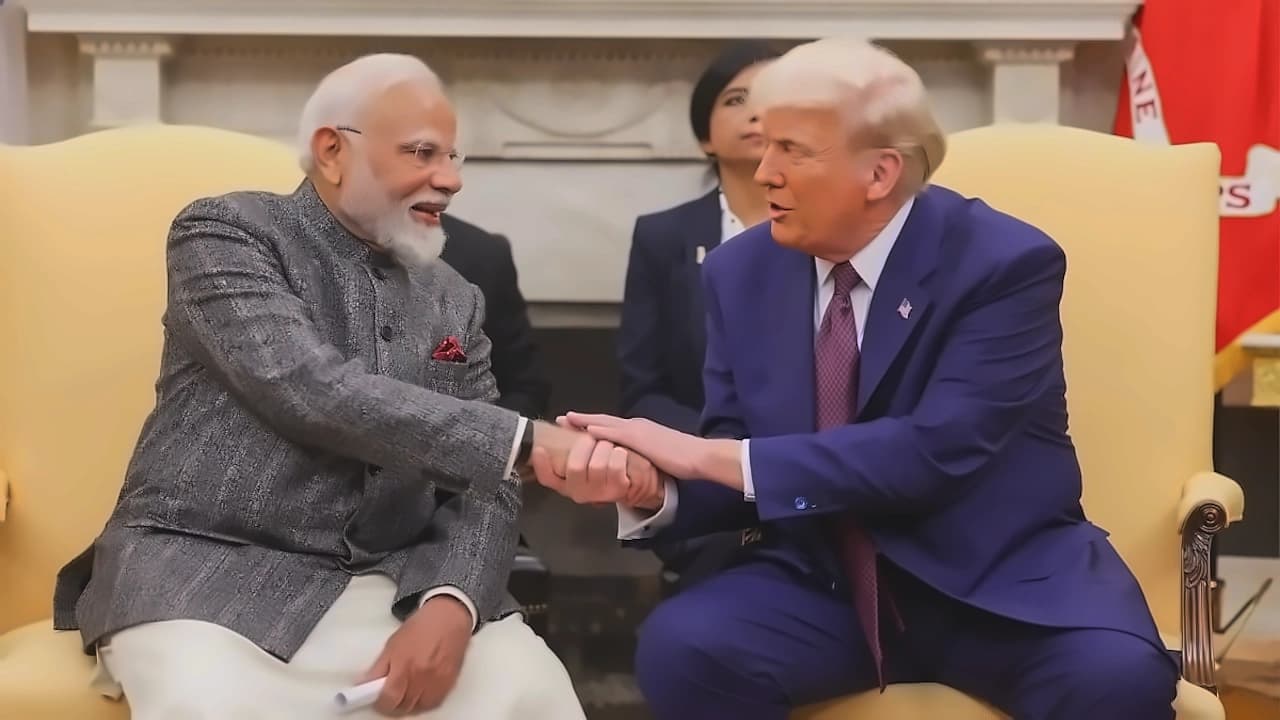
The visit by Secretary Rubio also highlighted significant progress in the Quad framework, with the Quad Critical Minerals Framework announced during the Foreign Ministers' Meeting in New Delhi. As reported by Business Standard, the framework seeks to advance a vision for fair and diversified critical minerals markets by strengthening critical minerals supply chains, including mining, processing and recycling, through coordinated policy measures and investment cooperation among Quad partners. The framework was described as 'an important context' of the US-India relationship, with Pigott noting that 'there were clear deliverables' from the Quad meeting, including cooperation on modernising ports, strengthening supply chains and enhancing maritime security cooperation against piracy and other illegal activities. Rubio met with Modi to discuss the situation in the Middle East, energy cooperation, securing critical supply chains and collaboration in emerging technologies.